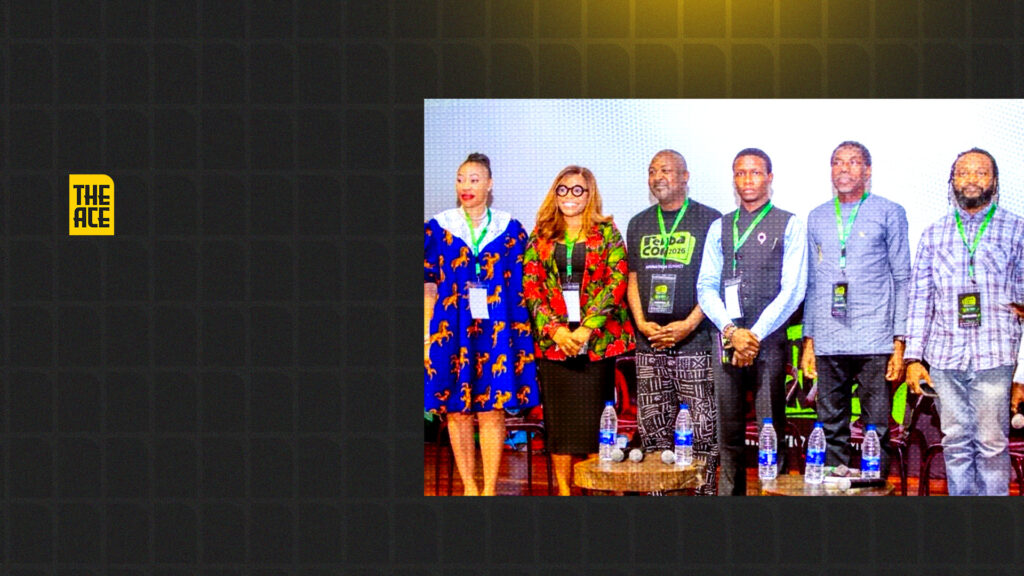
At RendaCon 2026, during the session titled “Policy, Education, and the Role of Government in Growing African Animation”, the conversation turned sharply to one glaring paradox: over $600 million in funding is available to Nigerian animators and comic creators, yet the majority of studios have not applied.
Moderated by Akano Charles, the panel featured four voices deeply embedded in the creative economy: Adedolapo Adedapo, Creative Sector Specialist for the iDICE Programme at the Bank of Industry; Muyiwa Kayode, Founder and Director of the Lagos International Festival of Animation (LIFANIMA); Izehi Semira Anuge, founder of Shape A Child and creator of Captain Excellence; and Dickson Etim, Lead Creative at Del-York Group.
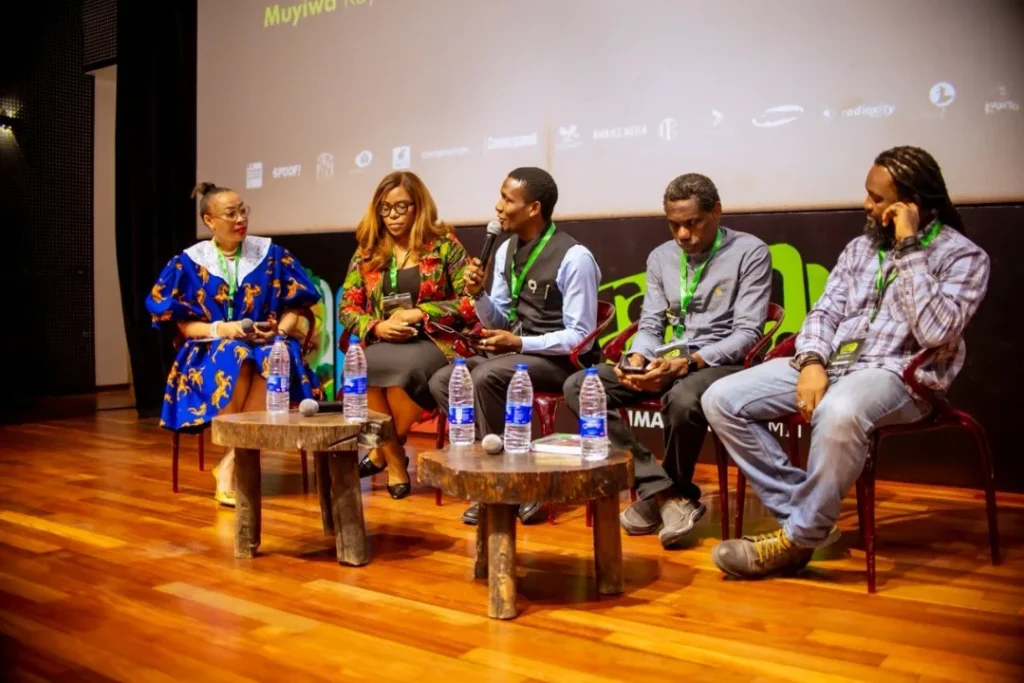
“The reality is shocking,” said Muyiwa Kayode, reflecting on the state of Nigerian animation. “Creators are self-sabotaging. They see a 20-page application form, and they retreat… we are literally leaving millions of dollars on the table because we are ‘too creative’ to be ‘administrative.’” The irony was impossible to miss: while talent is abundant and global demand is growing, the barrier to access is not skill but paperwork. Studios like Del-York, which has grown into one of Nigeria’s leading animation hubs, and festival platforms like LIFANIMA, which nurtures emerging creators, demonstrate that the talent is ready—the only missing piece is administrative readiness.
Adedolapo Adedapo explained that the iDICE programme, a partnership between the Bank of Industry, the African Development Bank, and the French Development Agency, is designed precisely to support creators at scale. “iDICE isn’t just funding a single comic book or animation. We are funding the technology and hubs that allow 50 titles to be produced. If you are building a studio with proprietary software or a unique pipeline, iDICE is your primary target.” Beyond funding, iDICE also provides technical assistance to train hundreds of animators to international standards. “We are literally investing in human capital,” Adedapo added.
The session also highlighted the National Orientation Agency Awards for Creative Excellence as a vital, yet underused, opportunity. Izehi Semira Anuge described the awards not simply as recognition, but as a ready-made distribution channel: “If you win or are shortlisted for an NOA Award, your content gets priority distribution on national television (NTA) and in public schools… visibility you cannot buy with a million Instagram likes.” For creators like those running small collectives or micro-studios, this is a tangible route from storytelling to nationwide reach, complete with commissioned projects that carry real financial value.
Yet the panel stressed that accessing these opportunities requires formalisation and preparation. “To get iDICE funding, you need a clear project plan,” explained Dickson Etim. “You can’t just say, ‘I want to draw a cool story.’ You have to show how that story creates ten jobs for junior animators.” Panellists urged creators to register legally, maintain proper records of studio metrics—including energy costs, software licensing fees, and export earnings—and present professional portfolios. Without these steps, even the most promising studios risk being overlooked.
The discussion also touched on sector-wide tools and initiatives. By June 2026, the first batch of Creative Equipment Import Waivers will be audited, giving registered studios access to high-end hardware at lower costs. In September, the Digital Art Pilot will launch across six universities, offering students mentorship from experienced animators and comic creators, including LIFANIMA’s network and industry professionals from studios like Del-York. By December, PAPSS integration for small businesses aims to streamline payments for international contracts, turning Nigerian creators into competitive global players without leaving the local economy.
A pressing concern addressed was talent retention. Muyiwa Kayode and Adedolapo Adedapo emphasised that policy is not about chaining talent locally but creating conditions where staying is profitable. Digital Innovation Zones with reliable power, tax incentives, and lower operating costs can allow creators to earn dollars from international clients while investing and spending locally, converting potential “brain drain” into “brain gain.”
The session concluded with a clear warning: the creative economy will not wait for passive participation. “Even if you think your studio is too small… if we want the government to take us seriously as a ‘Creative Economy,’ we have to show up where the money is,” urged Adedapo. Failure to engage risks reallocation of funds to more administratively aggressive sectors, such as fintech and software development.
For Nigerian animators and comic creators, the takeaway is simple yet urgent: the funding, tools, and channels are on the table, but the only thing missing is creators showing up with the forms filled out. As Izehi Semira Anuge put it, “Your intellectual property is your greatest asset, protect it locally, trade it continentally via AfCFTA, and scale it globally.”
AI Use at TheACE
TheACE uses artificial intelligence tools to support research, drafting and analysis across Africa’s creative industries. All content is verified, edited and approved by our human editorial team to ensure accuracy, clarity and responsible storytelling. AI assists our work; it does not replace human judgment.