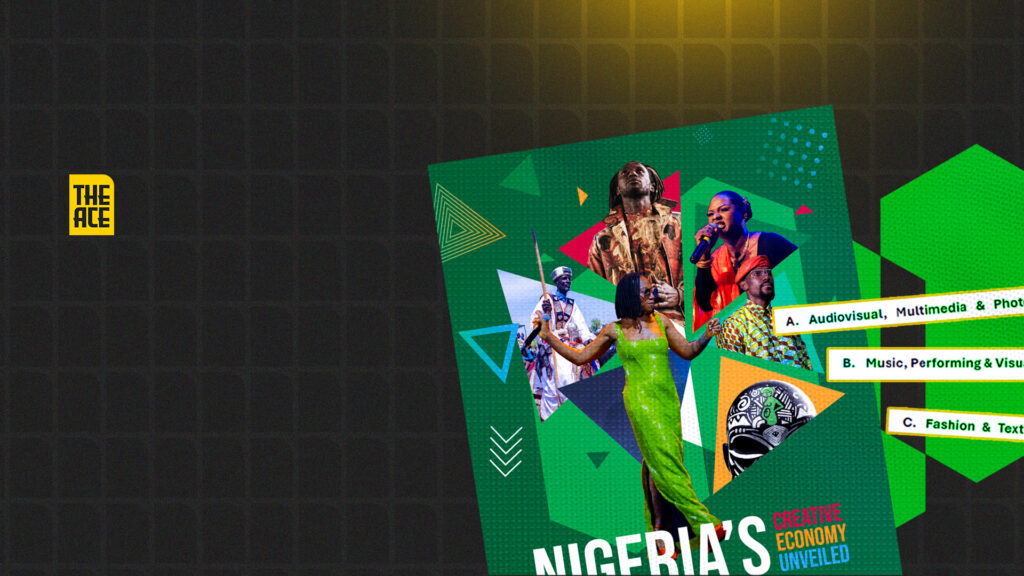
The most revealing finding in Nigeria’s most recent creative economy mapping may not be what the report included, but what it left out.
Across more than 260 pages of analysis, projections, workforce estimates, value-chain assessments, and employment forecasts, the Federal Ministry of Arts, Culture, Tourism and the Creative Economy’s mapping exercise identifies animation, video games, virtual reality, film, tourism, music, and several other creative subsectors as engines of future growth. Yet a simple search reveals a striking omission: comics are nowhere to be found.
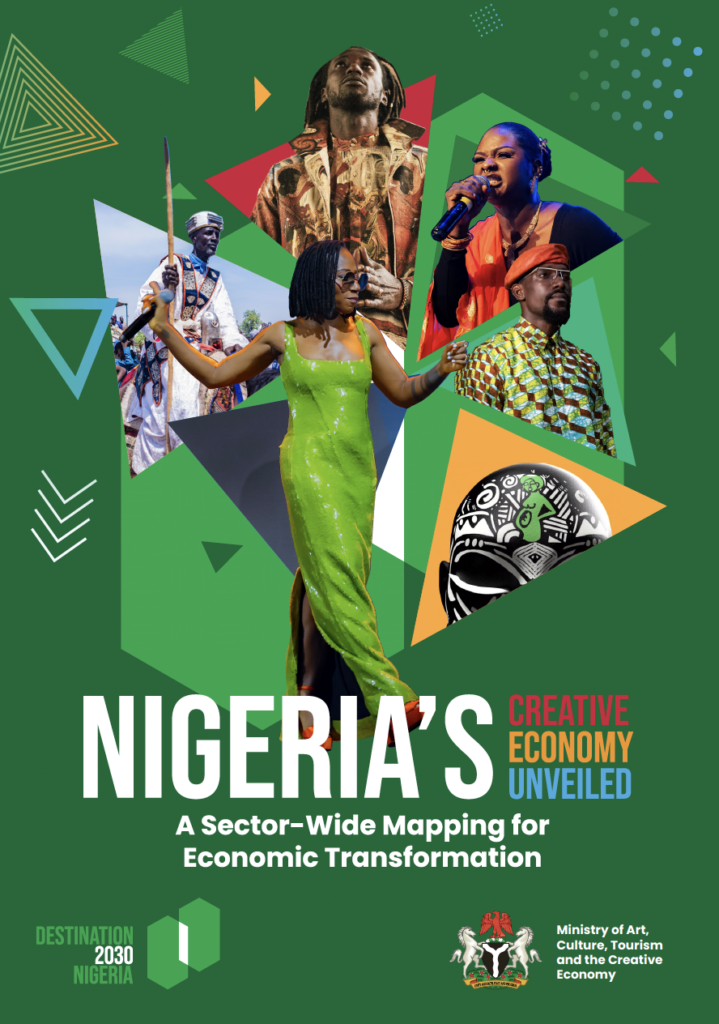
At first glance, this might appear insignificant. Comics are often dismissed as a niche hobby, a children’s pastime, or a minor publishing category with little economic relevance. However, that assumption reflects an outdated understanding of how modern creative industries work. In today’s global entertainment economy, comics are not merely products. They are intellectual property laboratories. They are where worlds are built, characters are tested, audiences are cultivated, and franchises are born.
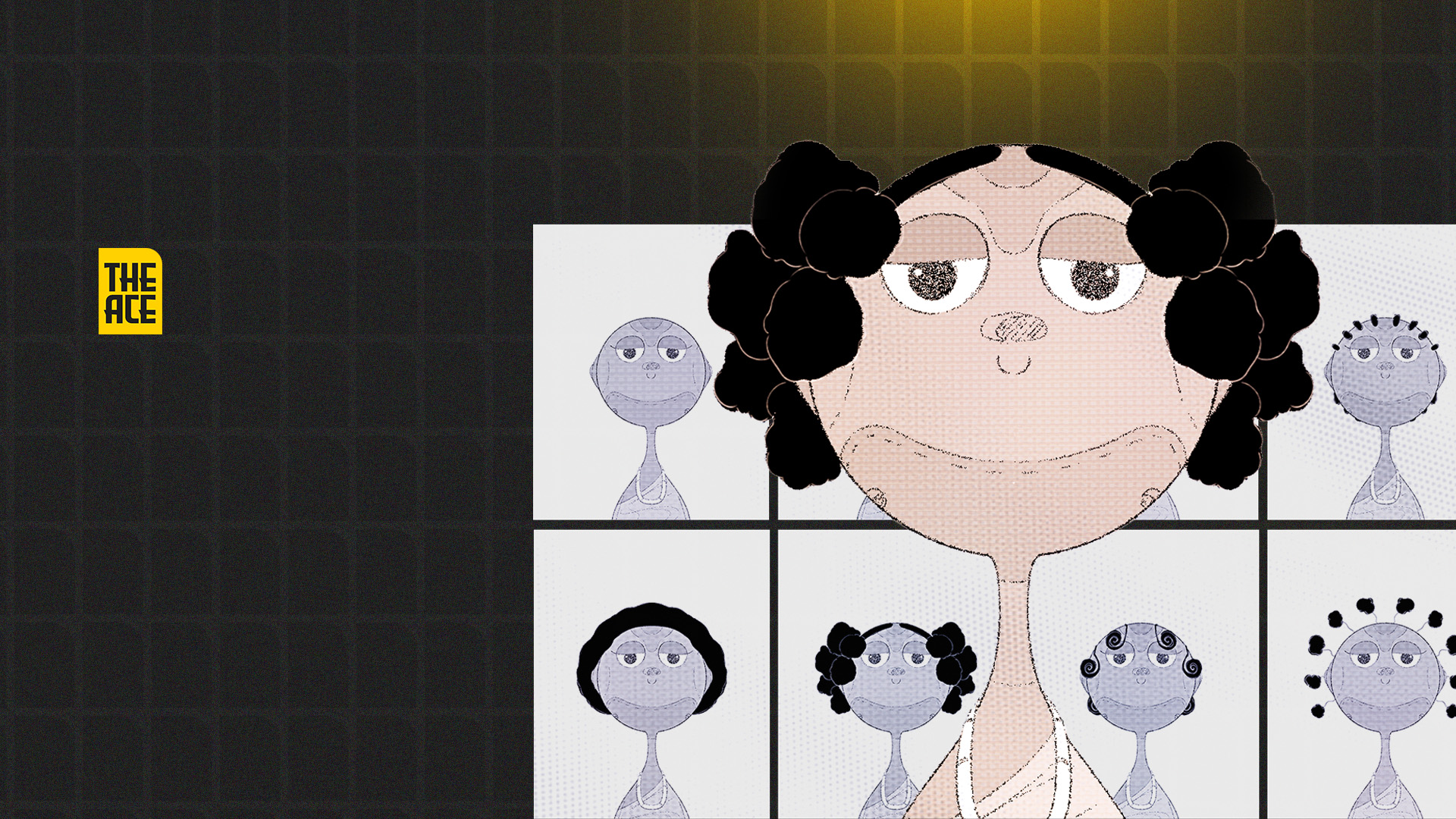
Ironically, the report itself contains evidence supporting this argument. Among the examples it highlights as evidence of Nigeria’s growing international animation success is Iyanu, the globally recognised animated series inspired by Yoruba mythology. Yet Iyanu did not begin as an animation project. It began as a comic and graphic novel property created by a Nigerian storyteller. The franchise emerged from the publishing ecosystem of “YouNeek Studios” before evolving into an internationally distributed animated series. In other words, one of Nigeria’s flagship animation exports originated from the very subsector that the mapping exercise fails to measure.
This is not a new argument for TheACE. We made this case in December 2025, arguing that Africa cannot build a complete creative economy without comics; the Ministry’s new mapping exercise confirms just how far policy still has to catch up. But I digress.
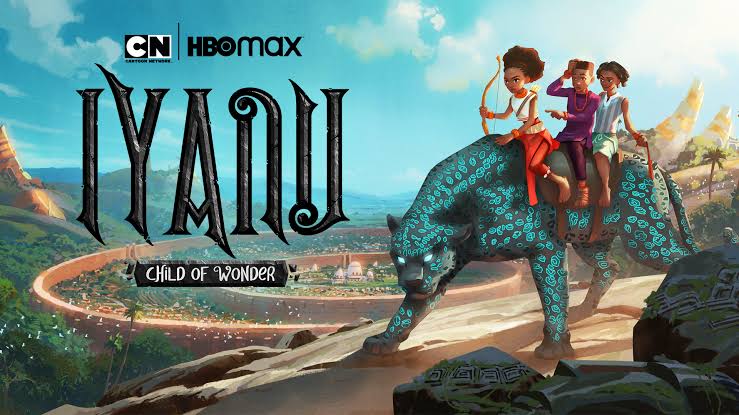
Continuing with the Iyanu reference, it is noteworthy to mention that this is not merely a Nigerian phenomenon. Globally, some of the world’s most valuable entertainment properties originated in comics. The modern superhero economy, worth billions of dollars annually, emerged from comic publishing long before it expanded into film, television, gaming, merchandising, and immersive experiences. The lesson is straightforward: intellectual property creation usually precedes intellectual property monetisation.
Creative economy scholars describe comics as an upstream industry. While animation, film, gaming, and streaming content occupy the visible end of the value chain, comics frequently occupy the invisible beginning. They provide low-cost environments for experimentation. New characters can be introduced, story universes expanded, and audience demand tested without the enormous financial commitments required for animation or film production. Successful concepts can then migrate into higher-value formats.
The omission therefore raises an important policy question: how can a national creative economy strategy accurately project the future of animation, gaming, and immersive media while excluding one of their most important sources of original intellectual property?
The answer may lie in a longstanding statistical blind spot. Across Africa, comic creators frequently operate outside formal creative industry classifications. Writers, illustrators, letterers, colourists, editors, publishers, printers, digital distributors, convention organisers, merchandise creators, and independent studios often function as micro-enterprises that are invisible to official economic surveys. As a result, governments frequently underestimate both the size and economic significance of comic ecosystems.
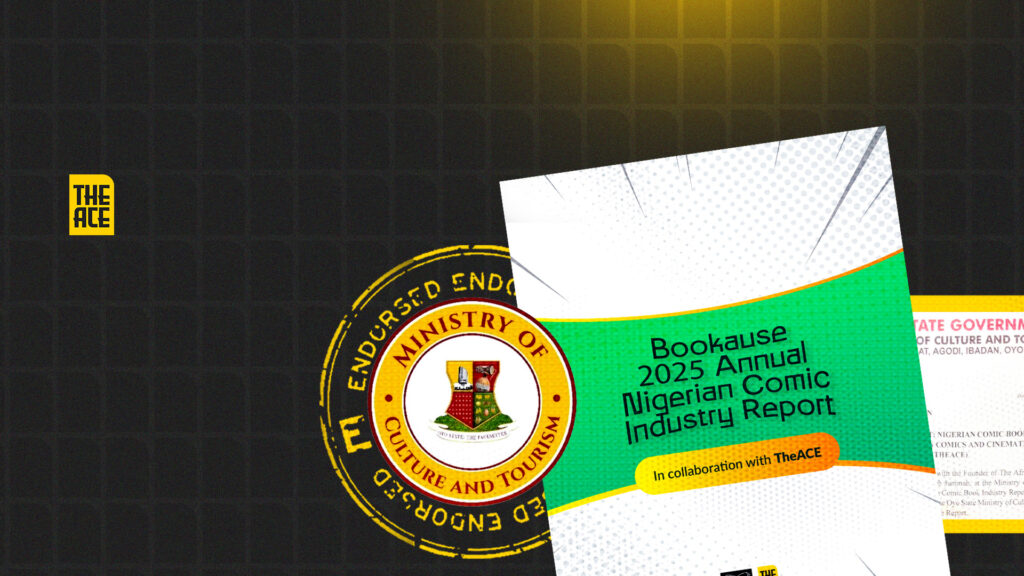
Recent evidence suggests that this undercounting is especially pronounced in Nigeria. The Bookause 2025 Annual Nigerian Comic Industry Report describes the sector as an important but largely overlooked component of the country’s creative economy. The report notes that many creators simultaneously manage writing, production, publishing, marketing, and distribution because formal industry structures remain underdeveloped. It also explicitly identifies comics as a foundation for intellectual property development across the wider creative sector.
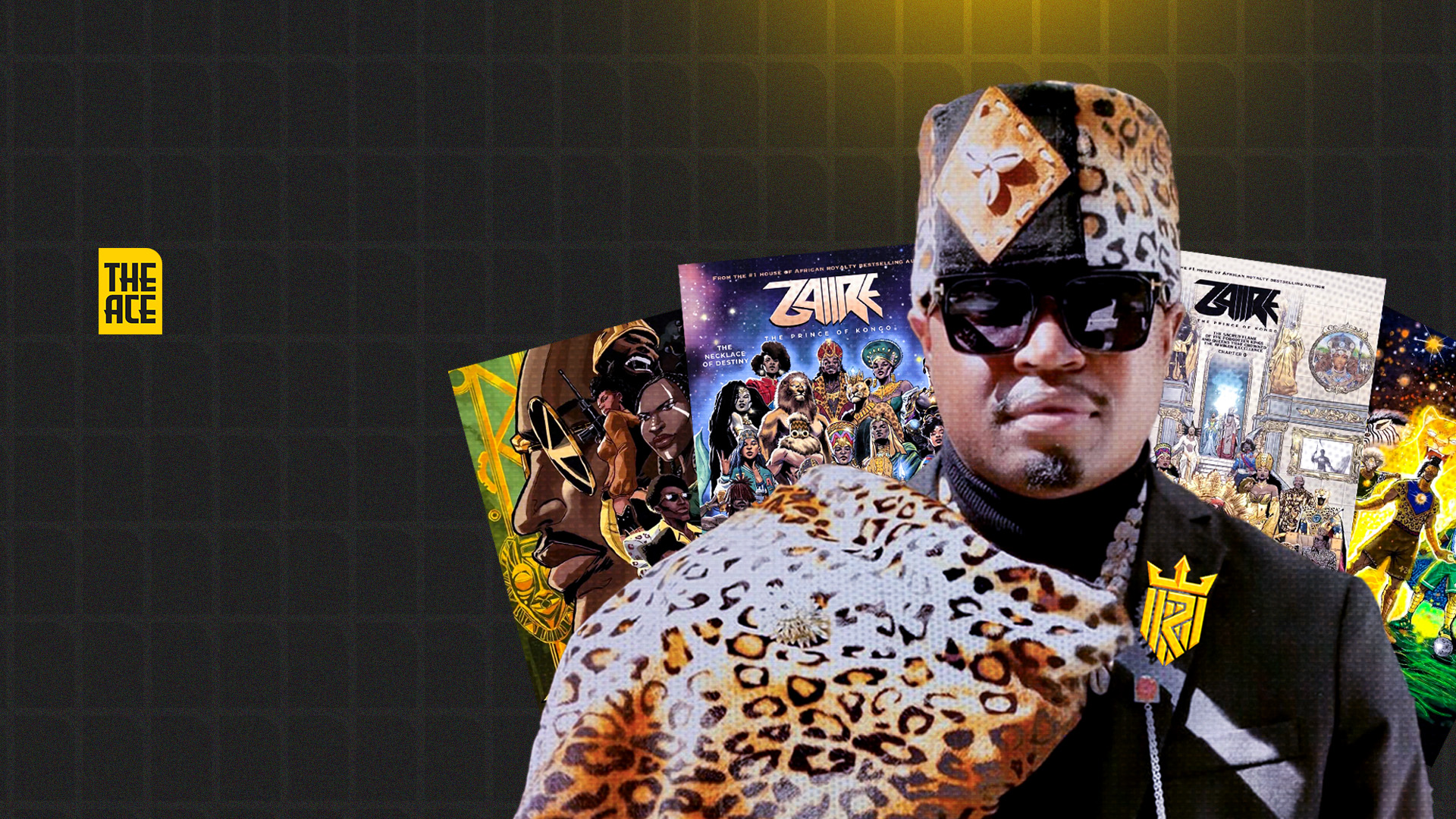
What makes this significant is that Nigeria already possesses one of Africa’s most vibrant comic ecosystems. Long before international audiences discovered Iyanu, local creators were building audiences through digital publishing, independent studios, webcomics, conventions, and mobile-first storytelling. Companies such as “Comic Republic” demonstrated that Nigerian-created superheroes and fantasy universes could attract substantial audiences both domestically and internationally. Their catalogue includes original intellectual property that spans comics, animation development, merchandising opportunities, and transmedia storytelling.
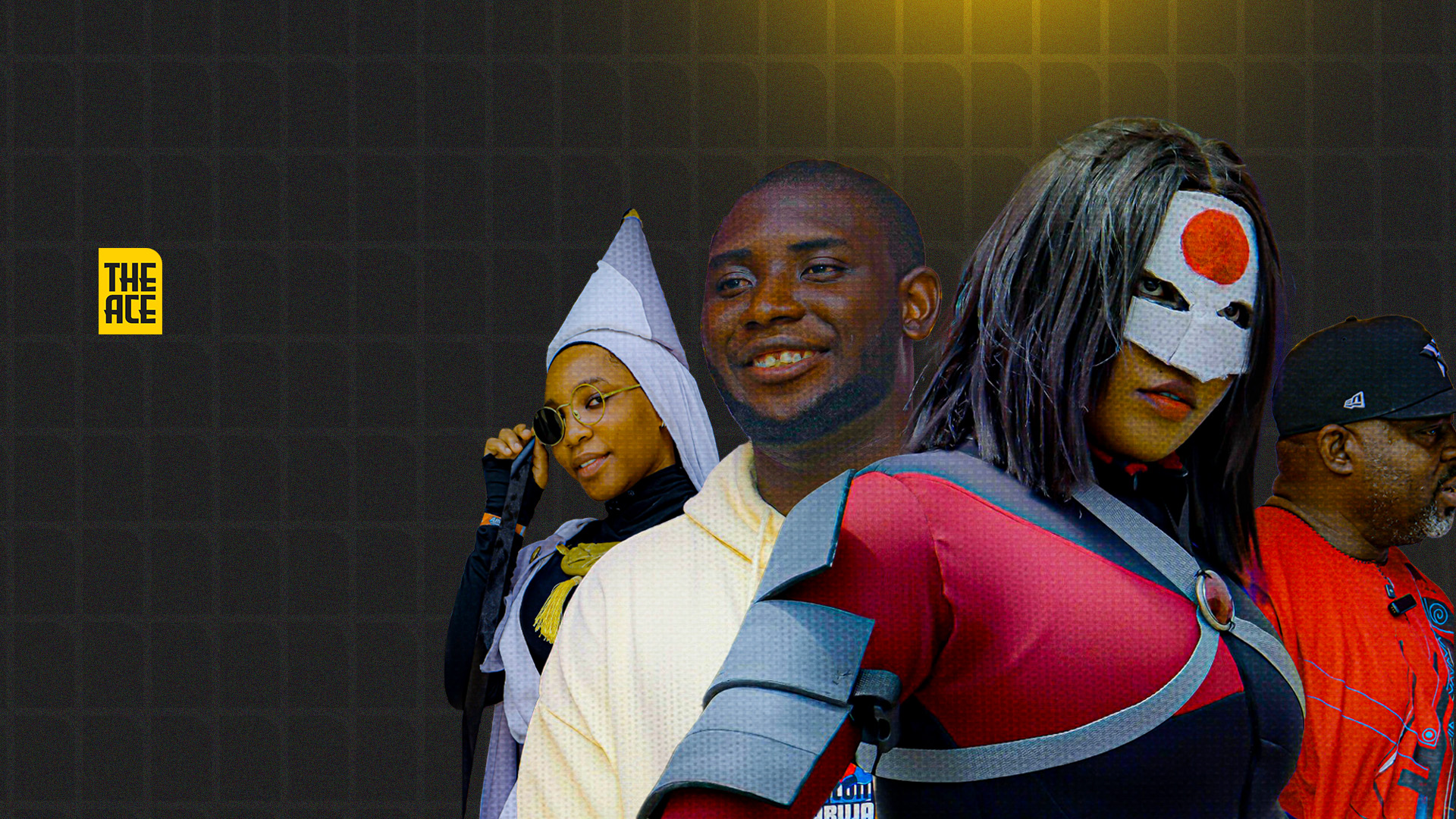
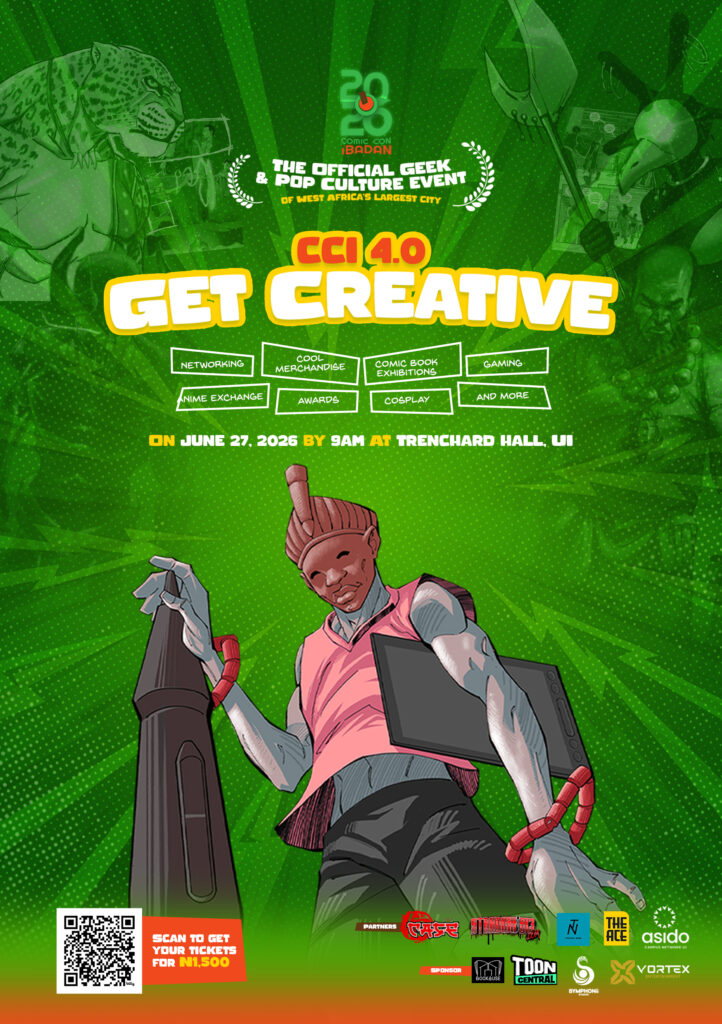
The growth of fan culture provides further evidence that the ecosystem is larger than official statistics suggest. Events such as Comic Con Ibadan have emerged to connect creators, readers, animators, gamers, and investors. Organisers describe the convention as the first dedicated comics and animation gathering in Ibadan, created specifically to showcase the city’s growing creative potential and provide visibility for local creators. Its existence demonstrates that comics are not operating in isolation but as part of a broader ecosystem linking animation, gaming, technology, and youth culture.
The economic implications are substantial. Every comic creator represents more than a single job. Comics generate demand for writers, illustrators, graphic designers, editors, digital marketers, printers, event organisers, web developers, publishers, and licensing professionals. More importantly, successful comic properties create opportunities across multiple downstream industries. A comic can become an animated series. An animated series can become a game. A game can become merchandise. Merchandise can become tourism and live experiences. This multiplier effect is precisely why countries with mature creative industries treat intellectual property creation as a strategic economic asset rather than merely an artistic activity.
The global entertainment market is organised around franchises rather than standalone products. Disney, Warner Bros., Netflix, and major gaming companies spend billions acquiring intellectual property because original characters and story worlds have become the most valuable currency in the creative economy. In this environment, measuring only the downstream industries while ignoring the upstream intellectual property creators is akin to studying agriculture while excluding farmers.
There is also a labour market dimension that deserves attention. Nigeria’s creative economy discussions often focus on high-profile sectors such as film, music, and animation because they are easier to quantify. Yet comics may offer one of the most accessible entry points for young creators. Producing a comic requires far less capital than producing an animated series or a video game. For many emerging writers and artists, comics function as entrepreneurial launchpads through which creative skills are developed and monetised before expanding into larger industries.
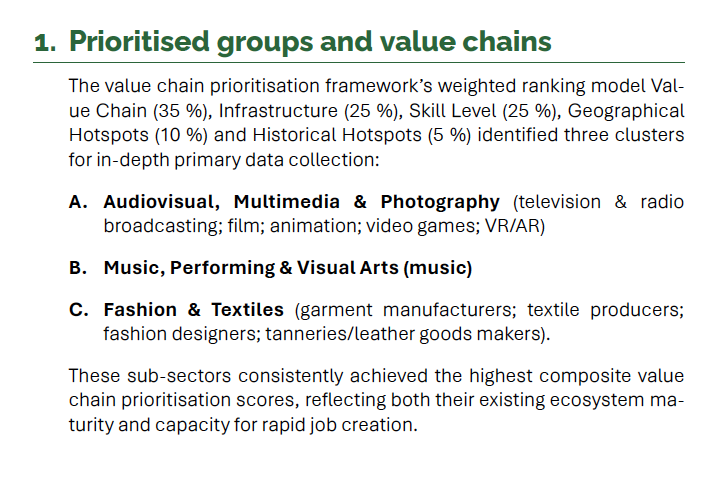
The absence of comics from the mapping exercise therefore creates a policy risk. What is not measured is rarely prioritised. What is not prioritised is unlikely to receive targeted funding, workforce development programmes, export support, or dedicated policy interventions. Over time, this can weaken the very intellectual property pipeline that fuels growth in animation, gaming, film, and immersive media.
Future editions of Nigeria’s creative economy mapping should therefore consider comics as a standalone subsector rather than a hidden component of publishing or animation. This would require dedicated workforce estimates, value-chain mapping, enterprise surveys, intellectual property tracking, and employment projections. Such an approach would align Nigeria with global best practice, where policymakers recognise that intellectual property creation is the foundation upon which modern creative economies are built.
The larger question is not whether comics deserve a place in the national conversation. The evidence suggests they already occupy one. The real question is whether policymakers are prepared to acknowledge their economic significance.
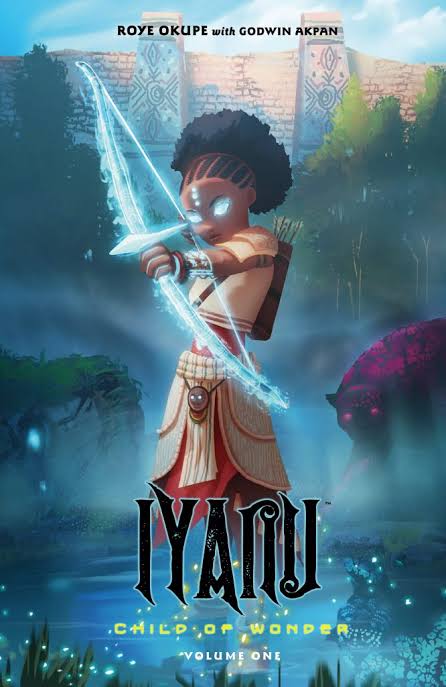
If Iyanu has taught Nigeria anything, it is that today’s comic book can become tomorrow’s global franchise. Ignoring comics in a creative economy mapping exercise does not make the sector disappear. It merely makes it harder to see where the next generation of Nigerian creative exports will come from.
And in a century driven by intellectual property, failing to count the creators of those ideas may be one of the most expensive oversights a creative economy can make.
Written by Seyi Adedokun
--------------------------------------------------------
--------------------------------------------------------
AI Use at TheACE
TheACE uses artificial intelligence tools to support research, drafting and analysis across Africa’s creative industries. All content is verified, edited and approved by our human editorial team to ensure accuracy, clarity and responsible storytelling. AI assists our work; it does not replace human judgment.