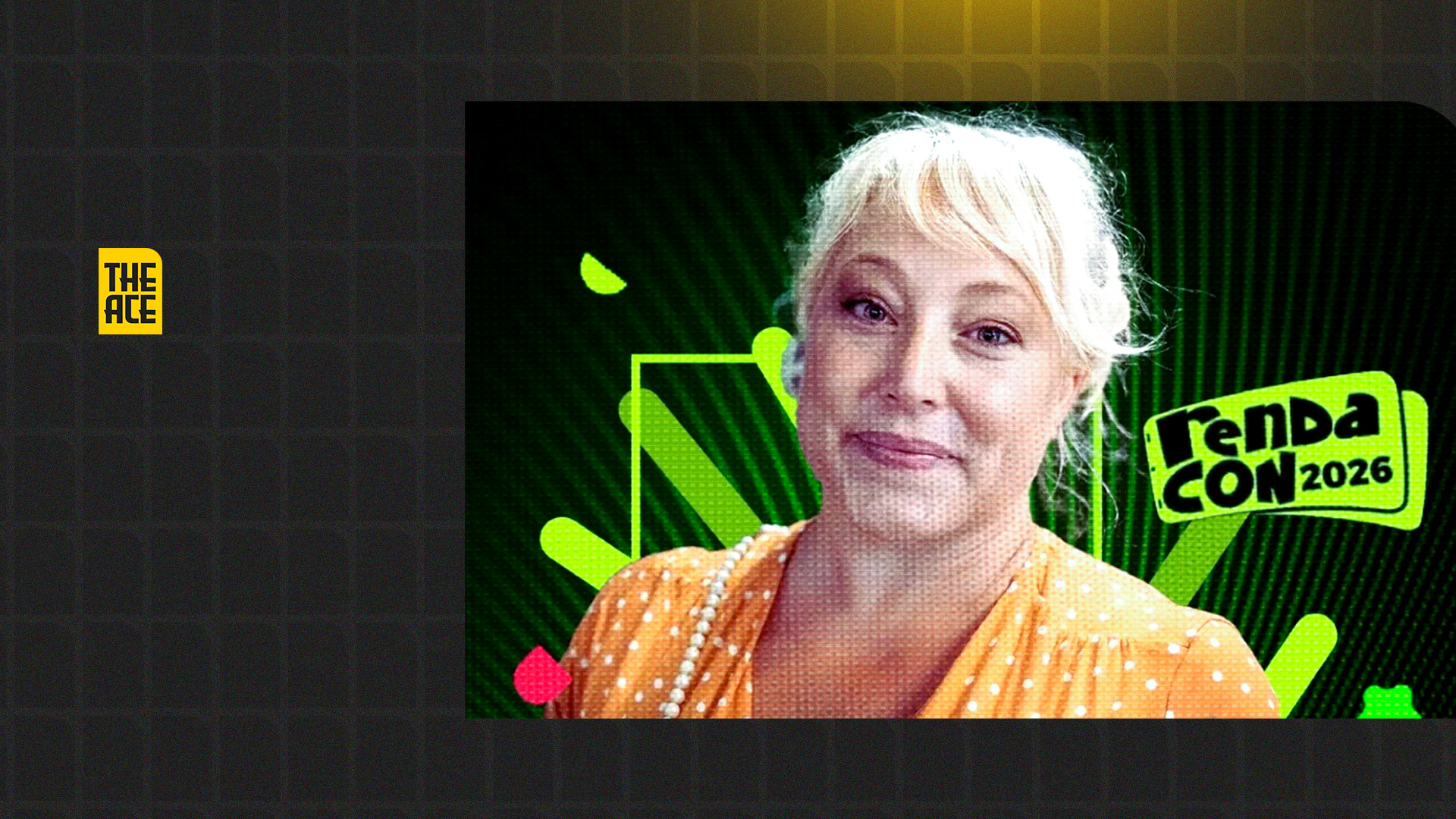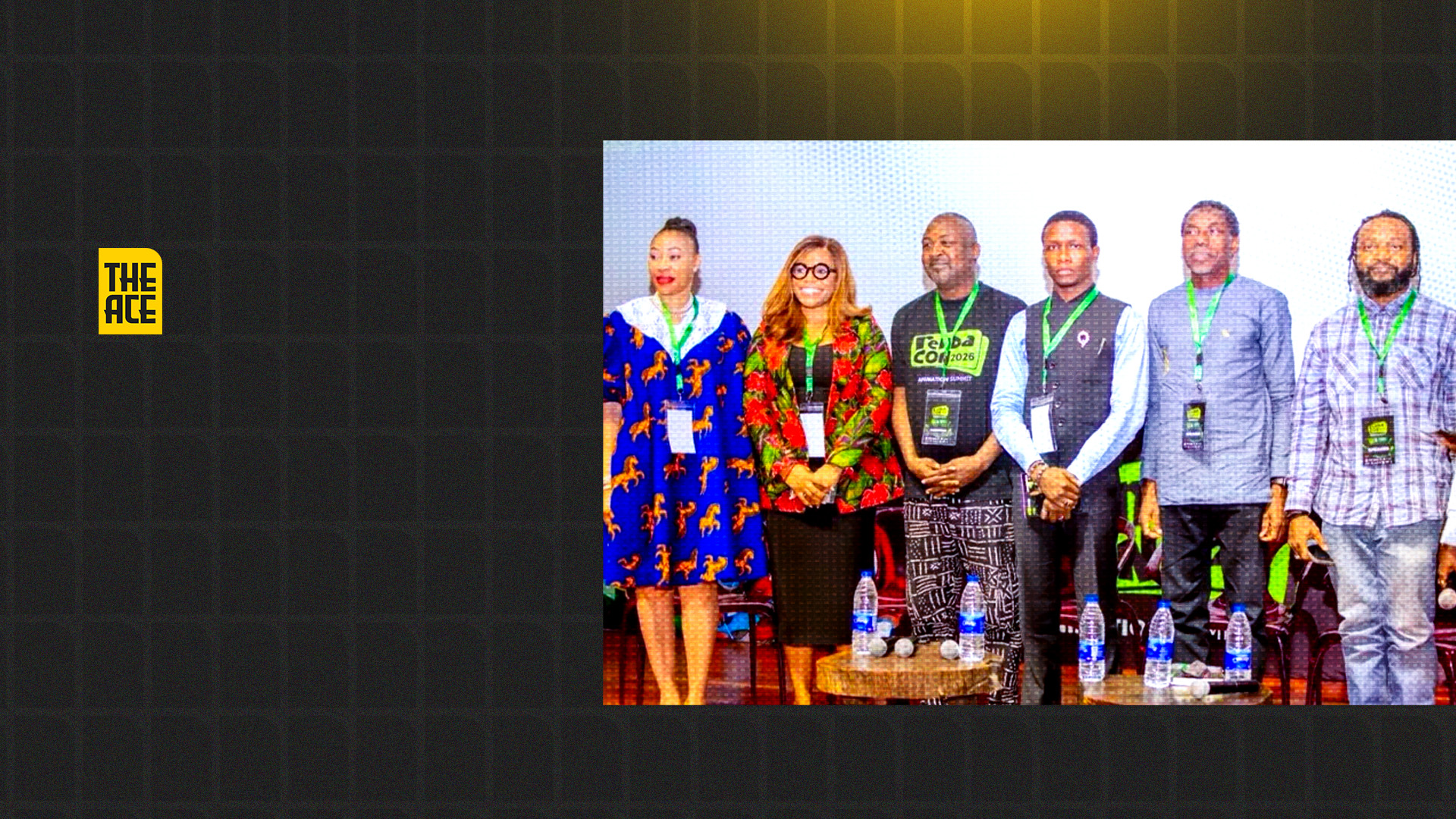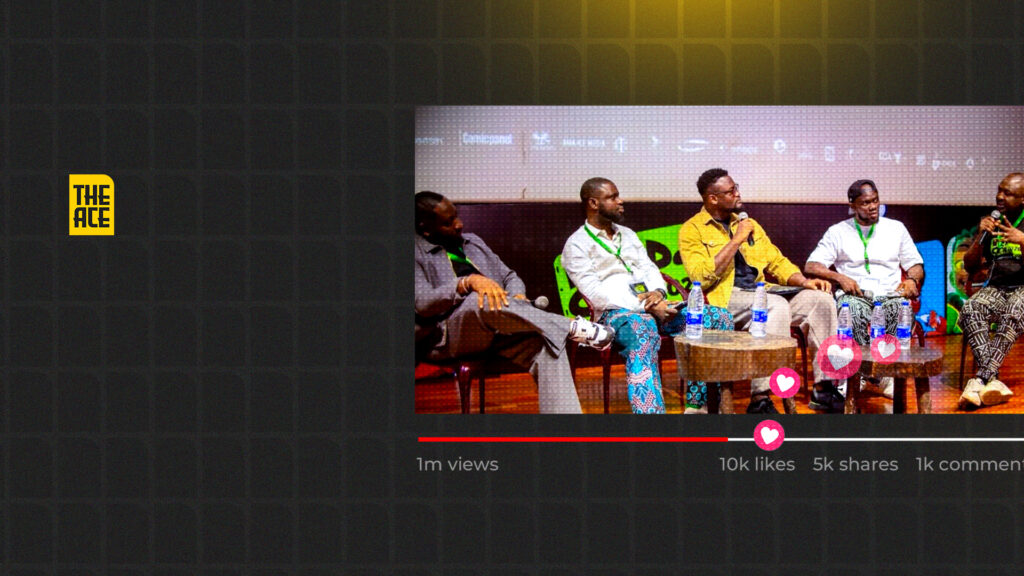
At RendaCon 2026, creators and industry professionals unpacked how African animation and comics are shifting from visibility to sustainable income in a digital-first ecosystem. As the event came to its final panel session, it turned toward a question that continues to define the African creative industry: can creators actually make a living from their work?
Moderated by Ayodele Elegba, the convener of RendaCon, the session brought together creators including Erem Emeka Nehemiah, popularly known as Ajebo, Jimoh Bodunde Samsideen, also known as Mr Splendid, Damilola Ajani, the brain behind Ghen Ghen Jokes, and Israel Obasola, known as Isreal the Creator, to explore how African stories are being built, distributed, and monetised in an increasingly digital landscape, with a focus on YouTube.
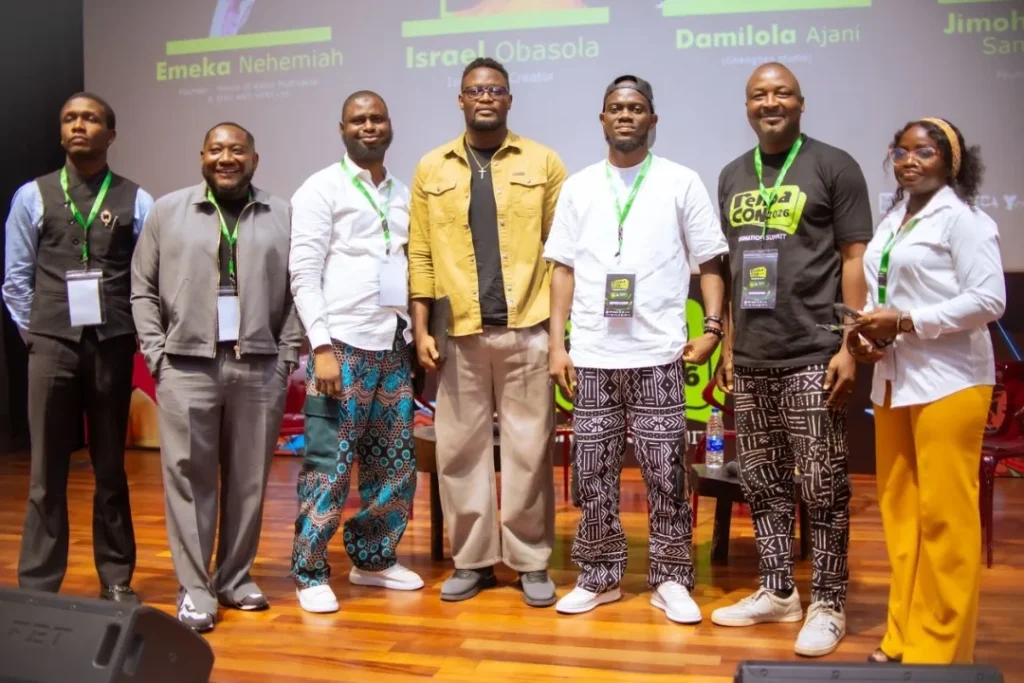
While the session opened on familiar ground like distribution, platforms, and global reach, it quickly narrowed into a more pressing concern: sustainability. That tension surfaced most clearly during an audience question that cut straight to the economics of the industry: “Is the digital evolution paying the bills yet, or are we still in the ‘passion project’ phase?”
In response, one of the panellists outlined what appears to be a defining shift in how creators approach income. “We’re moving away from a ‘hits-based’ model to a ‘community-based’ model. You don’t need a million casual viewers; you need five thousand dedicated fans who will buy your merch and subscribe to your early-access tier.”
The statement reframed the conversation. For years, success in digital spaces has been tied to reach, views, impressions, and virality. But within the African creative ecosystem, the panel suggested that scale without conversion is no longer enough. Instead, creators are building around engagement and ownership, developing smaller, committed audiences capable of sustaining their work over time.
This shift is happening in parallel with a broader transformation in the role of the creator. As another panellist noted, “You’re not just an artist anymore; you’re a content ecosystem.”
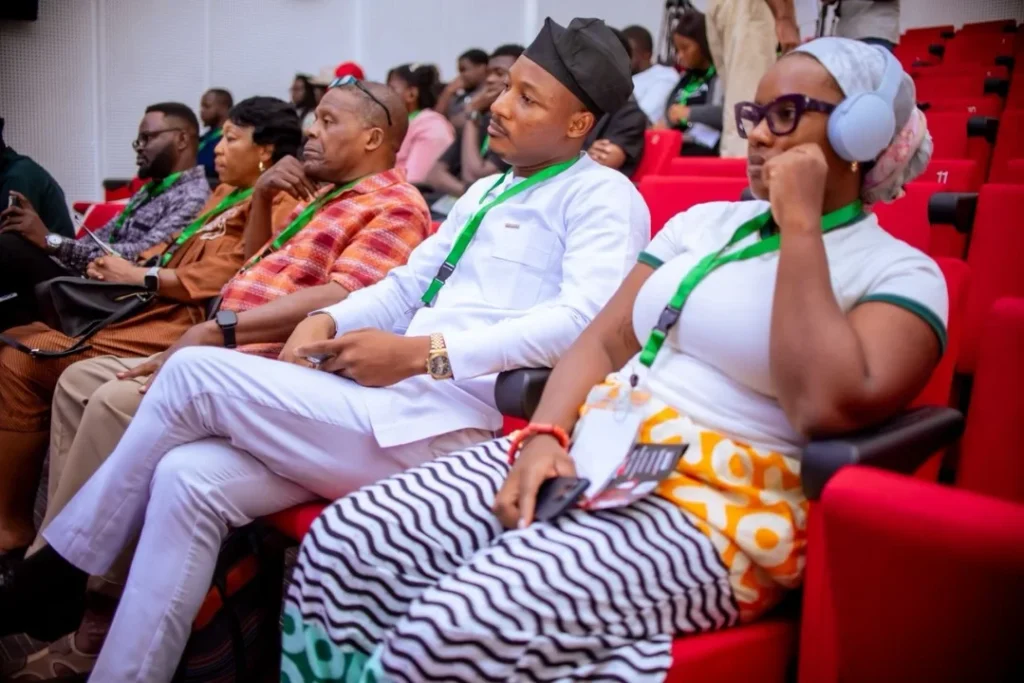
Beyond core projects like animated series or comics, creators are increasingly diversifying their income streams, selling digital assets, tools, and production resources while developing their intellectual property. This layered approach allows them to generate revenue earlier in their journey, rather than waiting for a single breakout success.
Yet, even as monetisation models evolve, the panel made it clear that the underlying environment has become more competitive. Digital platforms have removed traditional barriers to distribution, making it possible for African creators to reach global audiences instantly. As one panellist explained earlier in the session, “It’s no longer just about television; it’s about these digital ecosystems that allow a kid in Lagos and a kid in New York to watch the same premiere at the same time.”
But that same accessibility has introduced a new challenge: standing out in a crowded global marketplace. As another speaker put it, “If you’re publishing on a global app next to a high-budget manga or a Marvel digital comic, your art and lettering have to compete. The audience doesn’t give you a ‘pass’ just because you’re local.”
In this context, monetisation is no longer just about access to platforms; it is tied directly to quality, positioning, and consistency.
Technology, however, is beginning to shift that equation. Tools such as cloud-based workflows and real-time rendering engines are lowering production barriers, enabling smaller teams to produce work at a higher standard and faster pace. For many independent creators, this is changing what is possible within limited budgets.
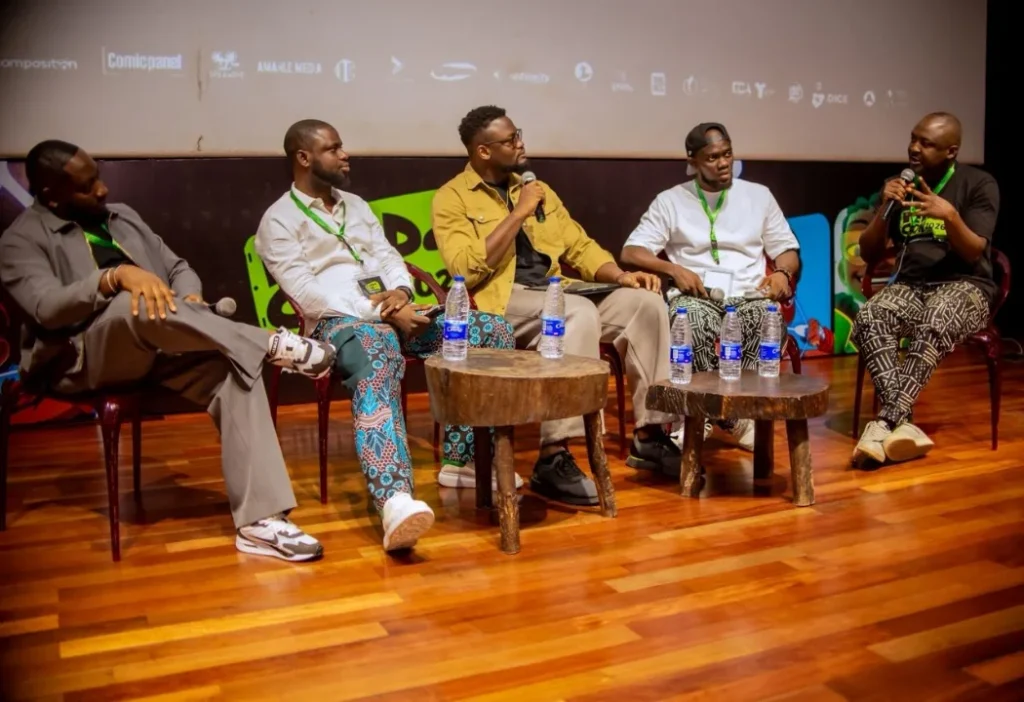
At the same time, the panel highlighted another emerging layer of the creator economy: data. Responding to a question about industry metrics and investment readiness, one panellist pointed to ongoing efforts to formalise data collection across the ecosystem, “It’s no longer enough to say we are growing. We need to show how much and where.” Another added that “Every click, every share, and every ‘time-on-page’ is a data point. We are encouraging all local publishers to share their anonymised data so we can build a stronger case for the entire ecosystem.”
This push toward measurable growth reflects a broader shift from anecdotal success stories to investment-ready insights. In doing so, data becomes a critical bridge between creative output and financial backing.
Beyond monetisation and metrics, the session also touched on the importance of collaboration and market expansion. Increasingly, creators are working across borders, pooling skills and resources to compete more effectively on a global stage. At the same time, questions around language and localisation point to untapped opportunities within the continent itself, particularly in reaching Francophone and Lusophone audiences. Still, even with these advancements, the central challenge remains unchanged: turning visibility into viability.
What the RendaCon panel ultimately revealed is not a fully solved system, but a transition already in motion. The industry is moving away from a model driven by exposure alone and toward one grounded in community, diversification, and measurable growth. In that shift, success is being redefined. Not by how many people briefly encounter a piece of content, but by how many choose to stay, engage, and support it. And in that equation, five thousand dedicated fans may prove far more valuable than a million passing views.
AI Use at TheACE
TheACE uses artificial intelligence tools to support research, drafting and analysis across Africa’s creative industries. All content is verified, edited and approved by our human editorial team to ensure accuracy, clarity and responsible storytelling. AI assists our work; it does not replace human judgment.