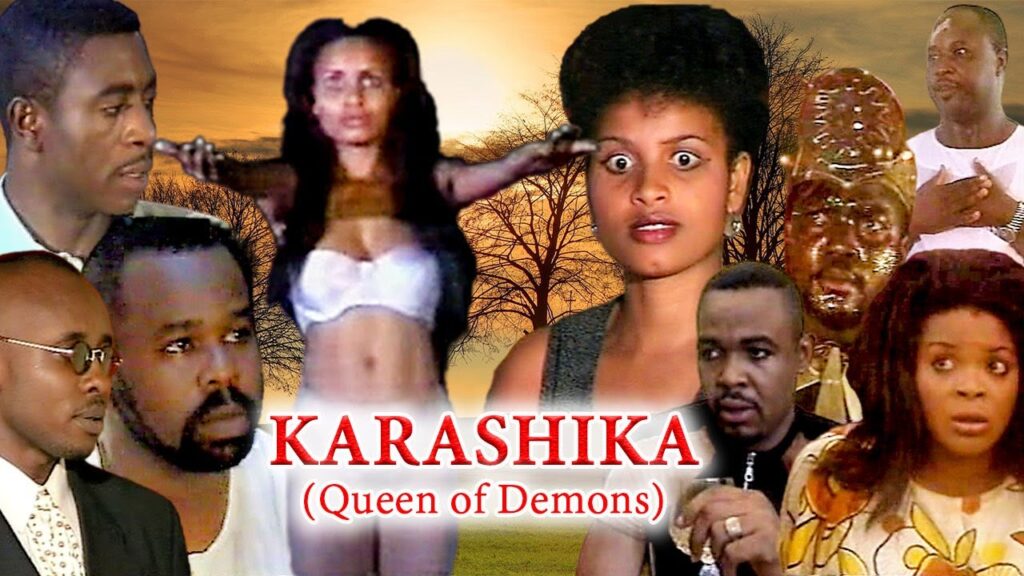
In the first quarter of 2022, a single audio clip, the chant “Karishika karishika! Queen of Darkness, Lucifer Lucifer King of Demons!”, resurfaced across Nigerian TikTok. It had been lifted directly from a 1996 home-video horror film, and within days, it was soundtracking comedic skits, reaction videos, and fashion reels. The clip cost nothing to redistribute and needed no marketing budget. It simply found its audience again, twenty-six years later, because the internet never forgets a good story.
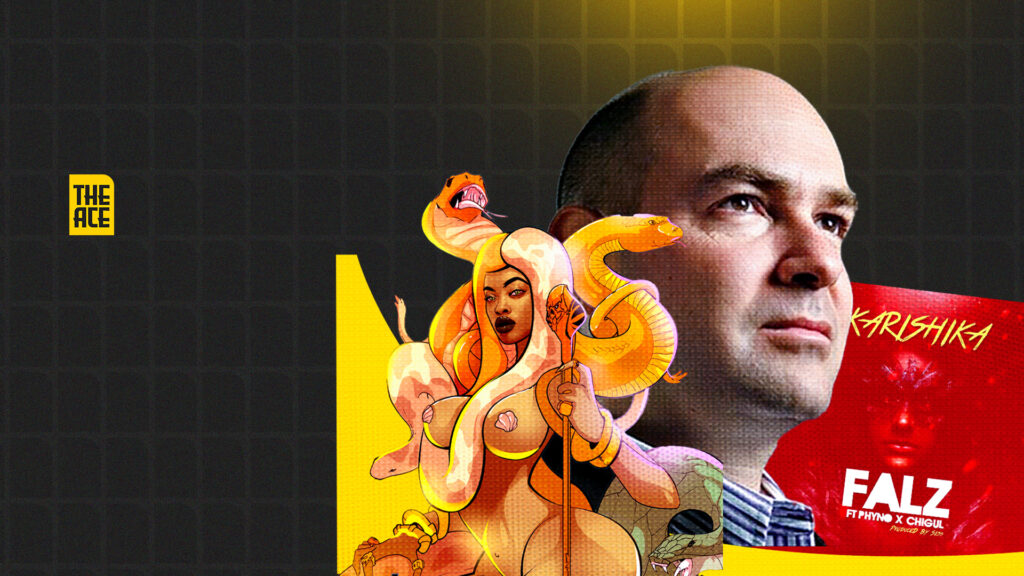
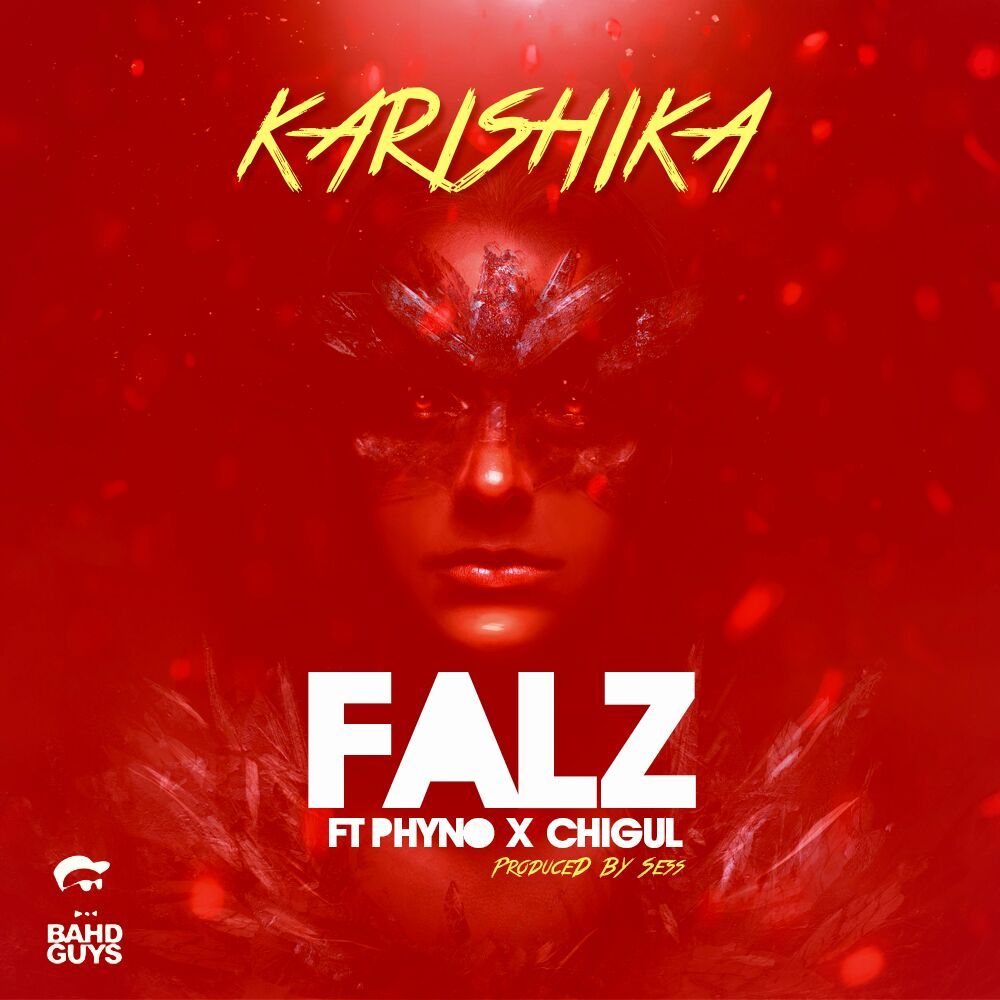
The film’s cultural grip had already proven itself long before the TikTok resurgence (in 2022). In May 2015, rapper Falz released a track titled “Karishika”, featuring Phyno and Chigurl, on his critically acclaimed album Stories That Touch. Its chorus, “Lord, save me from Karishika”, invoked the original film’s supernatural menace not as pastiche but as genuine cultural shorthand, confident that any Nigerian listener would understand exactly what was being conjured. A 1996 home-video horror film had so thoroughly embedded itself in the national imagination that, seventeen years later, one of Nigeria’s sharpest lyricists could deploy it in a single line and expect an entire generation to feel it.
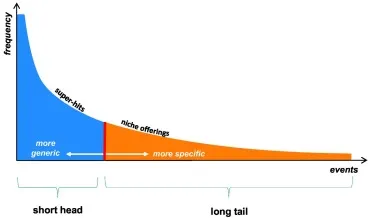
This is not a random cultural curiosity. It is a precise demonstration of a theory that has governed the economics of media for two decades. In 2004, Wired editor Chris Anderson argued that the future of commerce lay not in a handful of blockbuster hits but in a near-infinite catalogue of niche products, each finding their own small, loyal audiences. The internet, he contended, does not have a shelf space problem. What thrives in this environment is not always the newest or most expensive product, it is often the most resonant, the most specific, the most culturally alive. By this logic, the archive of classic Nigerian television and home cinema is not a museum of dated entertainment. It is an untapped long-tail asset of extraordinary commercial potential. And the medium best equipped to unlock it, as we argue in this treatise, is the comic book.
The Theoretical Framework: The Long Tail and Transmedia Storytelling
The mechanics of how Nigerian nostalgia travels online are inseparable from the economics Anderson described. When digital distribution eliminates the cost of reaching a niche audience, the demand curve does not disappear, it flattens and spreads. A catalogue title that once required a physical VHS vendor in Onitsha or Aba to survive can now reach a diaspora viewer in London or Houston at zero marginal cost. The key insight is that the long tail does not merely tolerate niche content; it rewards it, precisely because niche content carries the kind of emotional specificity that mass-market products cannot replicate.
This is where the transmedia dimension, articulated by media scholar Henry Jenkins in his 2006 work Convergence Culture, becomes commercially urgent rather than merely theoretical. Jenkins observed that within a converging media landscape, the most durable intellectual properties are those that unfold coherently across multiple platforms, where each new format adds something the previous one could not. A Nollywood horror classic, for instance, was constrained by a VHS production budget of as little as US$15,000, the figure UNESCO cites as typical of the low-cost Nollywood model that it has recommended to other African nations as a template for self-sustaining local industries. A comic book adaptation operates under no such constraint. The visual imagination of an illustrator costs nothing beyond the artist’s time. When Anderson’s economics and Jenkins’s storytelling logic are applied simultaneously to Nigeria’s dormant media catalogue, the result is a roadmap rather than an abstraction.
Revitalising Cinematic Action and Horror: Home Movies
Although home movies from past eras may contain cinematic tropes that are poorly received by contemporary standards, they successfully terrified a generation with folk horror or thrilled audiences with intense action. In a live-action film, creators are bound by the physical constraints of production budgets, special effects, and practical sets. Conversely, comic books suffer from no such creative limitations; the visual shock factor can hit significantly harder on the illustrated page than it ever could in vintage cinema. Two specific classic home movies serve as ideal candidates for this transmedia comic book retelling.
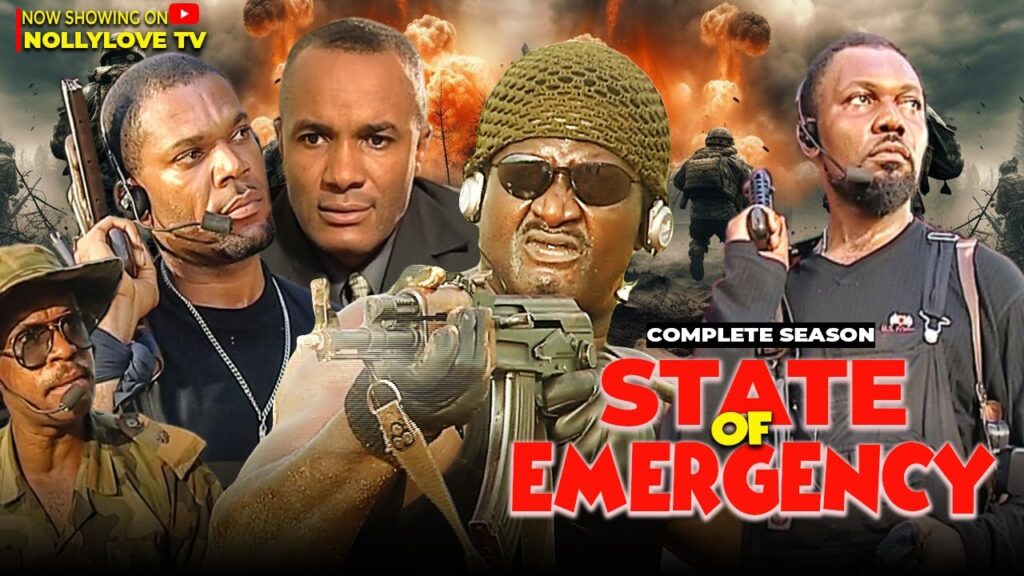
The first is State of Emergency, the 2004 action film directed by Teco Benson. As a fast-paced classic, it captured the imagination of viewers accustomed to the more static melodrama of early Nollywood. A sequential art adaptation could expand this narrative universe in multiple ways. It could offer a direct, highly stylised visual adaptation of the original film, or manifest as a long-running prequel series detailing the tragic fall of Squad 12 from an elite, shadow military division into a rogue terrorist cell. This approach mirrors successful Western transmedia properties, such as comic expansions of tactical thriller franchises. Alternatively, a limited sequel series could follow Detective Smith as he navigates the psychological aftermath of subsequent hostage negotiations, transforming a vintage action vehicle into a deep, contemporary character study.
The second candidate is Karishika, the classic Nigerian horror film featuring Becky Okorie as the titular succubus. The film famously captured the cultural anxieties surrounding supernatural temptation, a theme that briefly resurfaced in pop culture relevance through musical homage. A modern comic book adaptation would thrive as an urban folk-horror anthology, tracking a disparate group of shapeshifting succubi who all bear the name Karishika. Living across various regions of modern Nigeria, each character could navigate a distinct sub-genre of horror while trying to evade their pre-ordained destiny as chaotic, supernatural monsters. Haunted by the visage of the original harbinger of doom, their personal lives inevitably unravel. This anthology format aligns perfectly with the vertical-scroll digital layout dominating modern youth reading habits, leveraging a booming global appetite for dark fantasy and regional folklore.
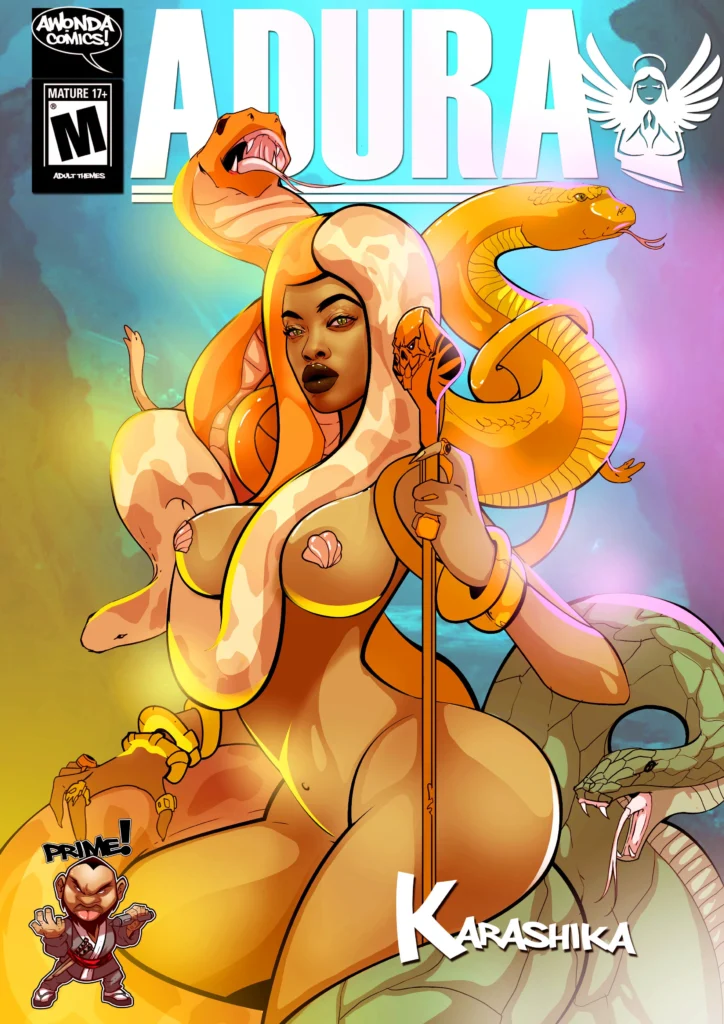
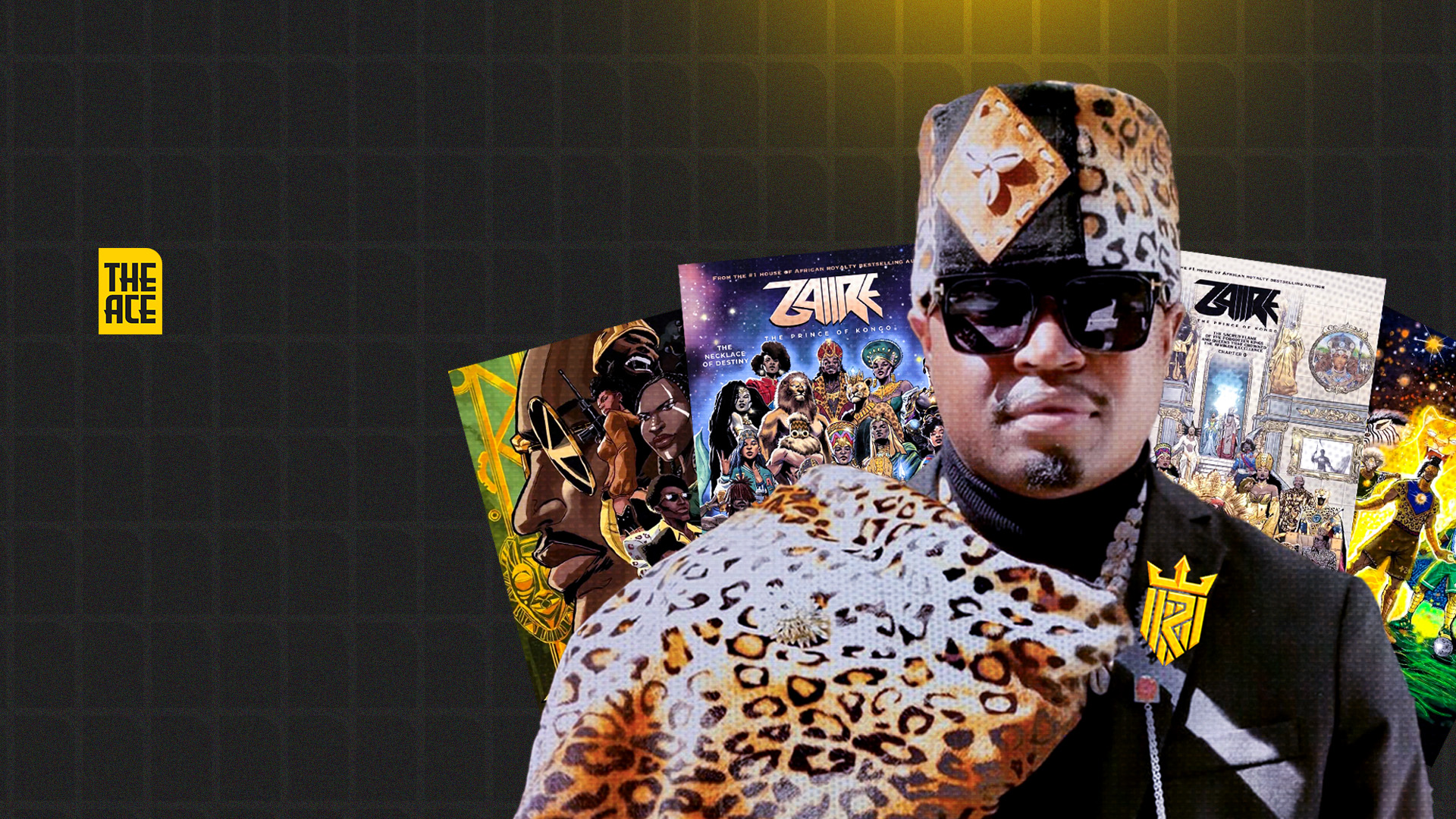
In practice, the commercial potential of Karishika as a comic character was demonstrated by Lagos-based illustrator Collyde Prime. He featured her as a villain in Adura, his action-paranormal graphic novel published under Awonda Comics, alongside other iconic figures from Nigerian folklore such as Madam Koikoi and the Yoruba Demon. It is clear evidence that a creator can intuit what a formal IP licensing framework could make scalable.
Reimagining Broadcast Staples: Television Networks
During the 1980s, 1990s, and early 2000s, terrestrial television networks were the absolute staple of domestic entertainment across Nigeria. Families routinely bonded over original programming broadcast during rigid, shared time slots. Many of these shows became deeply woven into the fabric of Nigerian pop culture because of their refreshingly captivating narratives and genre experimentation. Whilst the golden age of these broadcast giants has declined due to shifts in modern digital viewership, comic books offer a low-cost, high-yield mechanism to trigger a massive resurgence in their popularity.
Tales by Moonlight, the iconic Nigerian Television Authority (NTA) children’s programme, is virtually limitless in its narrative potential. Created in 1984 by former NTA Director of Programmes Victoria Ezeokoli, the show aired every Sunday evening at 6:30 PM on all NTA stations nationwide, explicitly designed to preserve the African tradition of oral folklore by re-enacting the communal art of storytelling beneath the night sky. Its immense popularity prompted multiple revivals, in 2013 and again between 2020 and 2022, testament to an audience relationship that has stubbornly refused to expire across four decades.
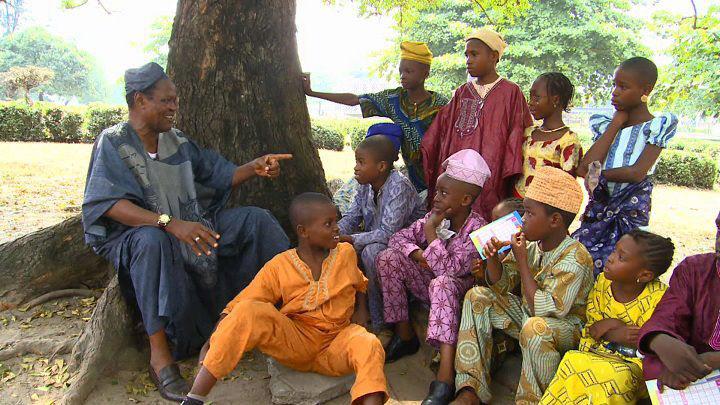
By translating this premise into a long-running educational comic book series distributed directly to primary and secondary institutions, creators can tap into institutional educational budgets. Each illustrated chapter could document traditional folktales from diverse ethnic groups, simultaneously addressing modern educational literacy goals and filling adults with intense nostalgia, successfully bridging the generational divide.
Similarly, the legendary horror television series Hot Cash, popularly remembered across the collective cultural consciousness by the name of its terrifying antagonist, Willie Willie, presents an extraordinary opportunity for a dark fantasy revival. The premise follows the vengeful, resurrected corpse of a young boy murdered for money rituals by his employers. Though early 2020s web revivals failed to replicate the sheer terror of the original NTA broadcasts, a comic book adaptation could completely re-engineer the property.
By framing Willie Willie as an enduring urban legend, the narrative could shift seamlessly between his historical murder and a contemporary group of characters who inadvertently invoke his spirit. This style of sequential storytelling preserves the eerie atmosphere and iconic musical chants of the original broadcast whilst elevating a local ghost story into a universally recognised horror archetype, reminiscent of international supernatural entities such as La Llorona, Sadako, or Bloody Mary.
The Operational Blueprint: Licensing, IP, and the Reverse Pipeline
The theoretical architecture of this strategy means very little without a functioning rights framework beneath it, and here, the Nigerian creative sector faces a structural challenge that must be addressed plainly. Despite the 2022 update to Nigeria’s Copyright Act to address digital distribution and online infringement, enforcement mechanisms remain weak, and most filmmakers operate without the legal or financial resources to pursue IP violations. It is estimated that Nigeria loses between ₦10 billion and ₦15 billion annually to piracy, with approximately 80 per cent of Nollywood content pirated through illegal digital platforms or bootleg DVDs. In this environment, the concept of “licensing a dormant catalogue” requires not only commercial ambition but foundational legal groundwork.
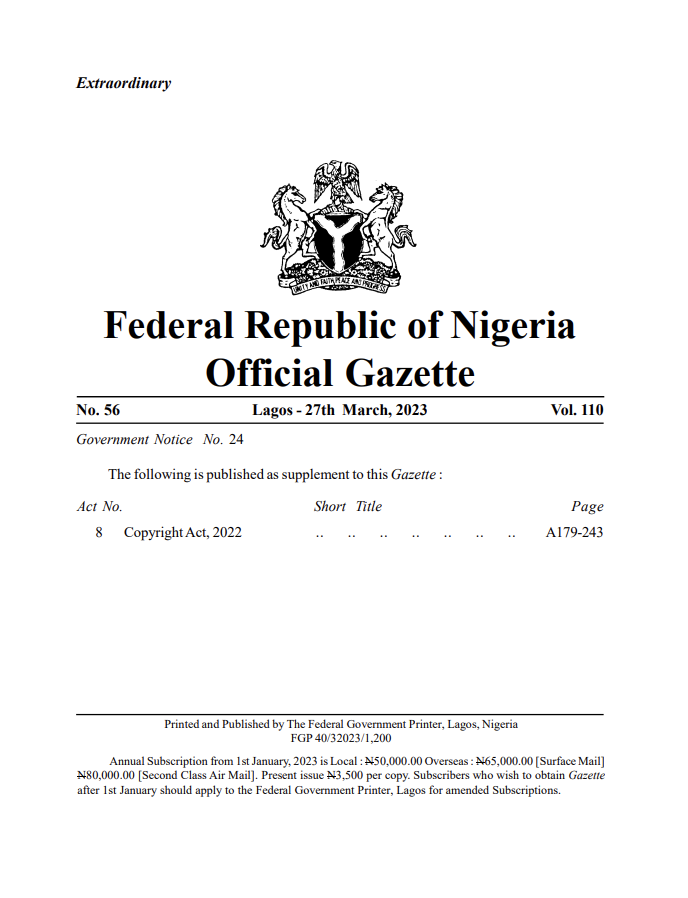
That groundwork is, however, being laid. Legal practitioners working in Nigerian creative law have begun calling for rights registration to become a non-negotiable standard, with every film, screenplay, score, and character registered with the Nigerian Copyright Commission before public release, in line with Section 20 of the Copyright Act 2022. Simultaneously, the National Film and Video Censors Board announced in late 2024 a plan to establish a formal digital archive, with its Executive Director confirming that the Board has approximately 280,000 films ready for migration to a proposed digital archive, where they will be preserved and stored in formats compatible with modern digital technology. This is the infrastructure upon which a licensing ecosystem must be built.
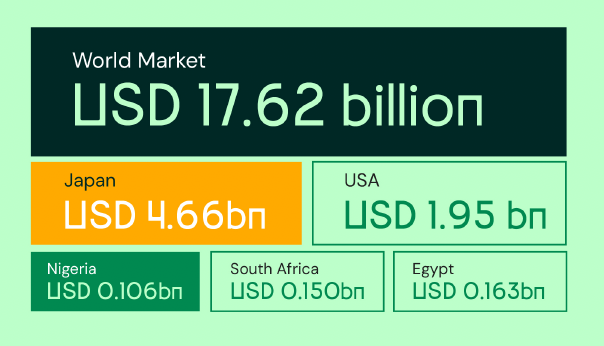
The commercial logic for rights holders is straightforward. A veteran production house or broadcaster sitting on a catalogue title like State of Emergency or Hot Cash currently earns nothing from that asset. A licensing agreement with a comic book studio introduces passive royalty income for zero additional production expenditure. For the comic publisher, the inheritance of a pre-built fan base is equally valuable: the Nigerian comic book market stood at USD $106.74 million in 2024 and is projected to reach USD $169.53 million by 2033, yet the primary obstacle for independent publishers remains the cost of building audience trust from scratch. A licensed adaptation of a beloved IP bypasses that cost entirely.
The international precedent is instructive. When the restoration collective Seek & Find acquired the master tapes for Karishika and screened a restored 4K print at e-flux’s African Film Institute, the commercial and critical response confirmed that appetite for the material had not merely survived, it had compounded. Through agreements with directors and producers, Seek & Find acquired master tapes for some of Nigeria’s most historically significant horror films, including Karishika, End of the Wicked, Nneka the Pretty Serpent, and Sakobi: The Snake Girl. This restoration model, combined with formal licensing to comic studios, represents exactly the kind of rights-first, revenue-sharing structure that transforms dormant IP into an active commercial pipeline.
Conclusion
The case for this strategy does not rest on speculation. It rests on what Nigerian audiences have already demonstrated, repeatedly and across different formats, that they will show up for. A 1998 home-video horror film embedded itself so deeply into the national imagination that it inspired a 2015 Afrobeats hit, went viral again on TikTok in 2024, and was subsequently restored to 4K for international theatrical screening. A Sunday-evening children’s programme that first aired in 1984 was revived three separate times because demand for it refused to die. These are not nostalgia projects. They are proven audience relationships, commercial assets that happen to be sitting dormant, waiting for the right format to reactivate them.
The comic book is that format. Unbound by production budgets, immune to the casting constraints and location costs that limited the original productions, and perfectly suited to the vertical-scroll reading habits of a generation raised on digital screens, sequential art can do what the source material never could: expand the universe, deepen the characters, and reach an audience that was not yet alive when Karishika first aired.
Critically, each panel published, each digital download logged, and each reader acquired is a data point. A comic book adaptation that achieves commercial viability within the digital long tail does not merely generate revenue, it produces the audience data, the storyboards, and the proof of market demand that de-risks everything that comes after it. The animation pitch, the streaming proposal, the theatrical reboot: all of them become easier to finance and easier to greenlight when a comic has already done the work of building the audience.
Nigerian storytelling has never lacked ambition or cultural depth. What it has lacked, too often, is the infrastructure to carry its best ideas from one format into the next without losing ownership along the way. The reverse pipeline; screen to comic to screen again, this time on a global stage, offers exactly that infrastructure. The question for Nigeria’s creative economy is not whether the appetite exists. Four decades of Tales by Moonlight revivals and a TikTok resurgence for Karishika have already answered that. The question is who moves first.
References
Anderson, C. (2004, October). The long tail. Wired. https://www.wired.com/2004/10/tail/
Anderson, C. (2006). The long tail: Why the future of business is selling less of more. Hyperion.
Jenkins, H. (2006). Convergence culture: Where old and new media collide. New York University Press.
Seek & Find. (2021). Nollywood horror restoration project: Karishika, End of the Wicked, Nneka the Pretty Serpent, Sakobi: The Snake Girl. e-flux African Film Institute.
Squid Mag. (2019, January). Who’s making comics in Nigeria? squidmag.ink. https://squidmag.ink/whos-making-comics-in-nigeria/
Squid Mag. (2020, February). Bahari Blue #15 — The furious, gangster art of Collyde Prime. squidmag.ink. https://squidmag.ink/bahari-blue-collyde-prime/
UNESCO. (2006). International flows of selected cultural goods and services, 1994–2003. UNESCO Institute for Statistics.
Wikipedia. (2025). Falz — Stories That Touch. en.wikipedia.org. https://en.wikipedia.org/wiki/Stories_That_Touch
Written by John Uche and Mujeeb Jummah
--------------------------------------------------------
--------------------------------------------------------
AI Use at TheACE
TheACE uses artificial intelligence tools to support research, drafting and analysis across Africa’s creative industries. All content is verified, edited and approved by our human editorial team to ensure accuracy, clarity and responsible storytelling. AI assists our work; it does not replace human judgment.