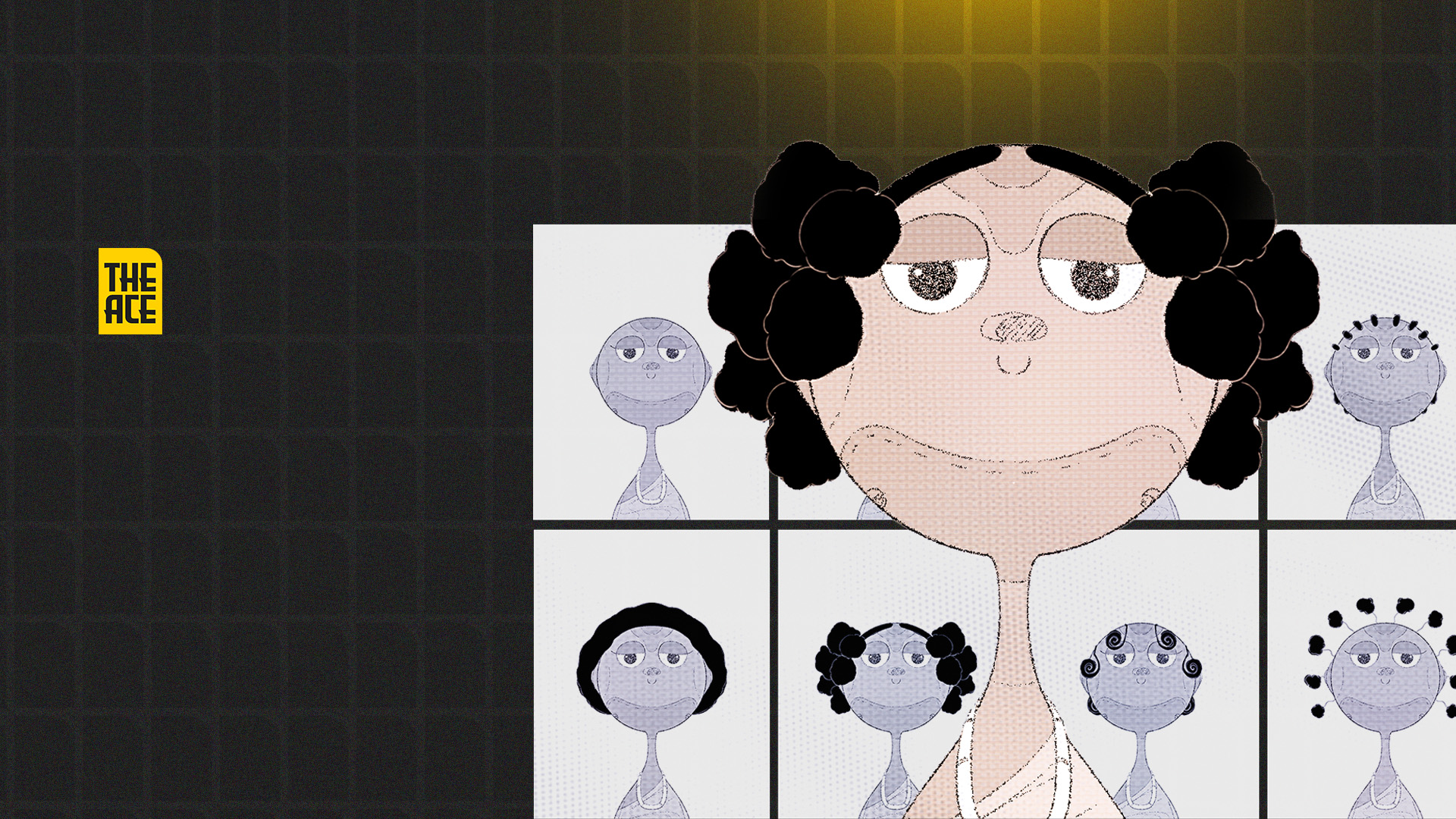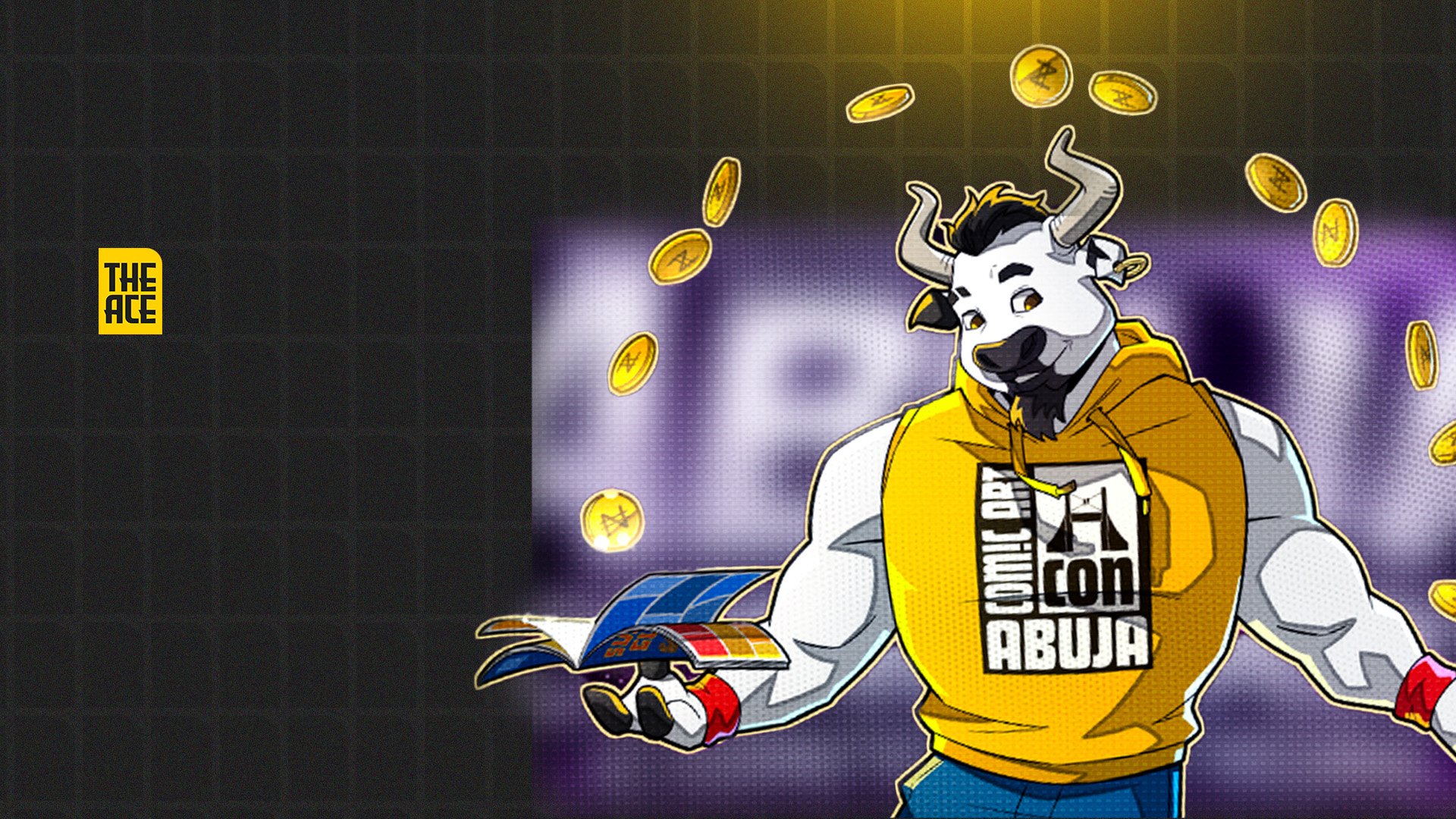
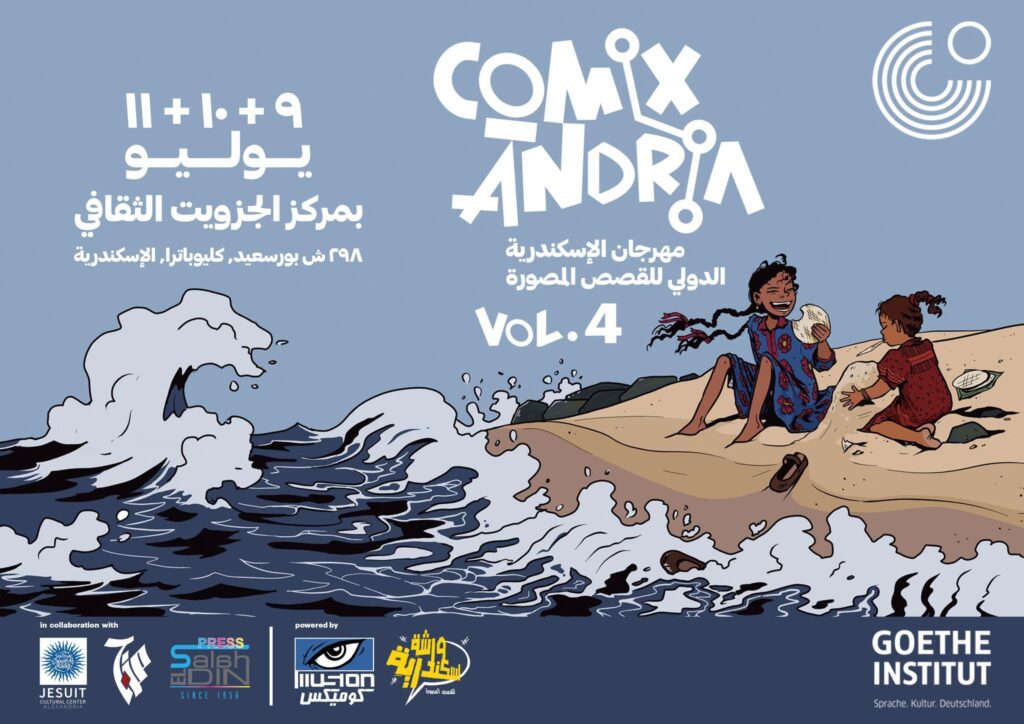
This week, the Jesuit Cultural Centre in Alexandria is filling up with comic artists, readers and publishers for Comixandria’s fourth edition: three days, 9 to 11 July, of exhibitions, live drawing, book signings and workshops, free to walk into from noon to nine each evening. This year’s headliners are French cartoonist Golo and Egyptian artist Deena Mohamed, each showing an exhibition of recent work. It’s a settled, confident rhythm now, the kind a festival only earns after a few editions of trial and error. Comixandria did not arrive at it quickly.
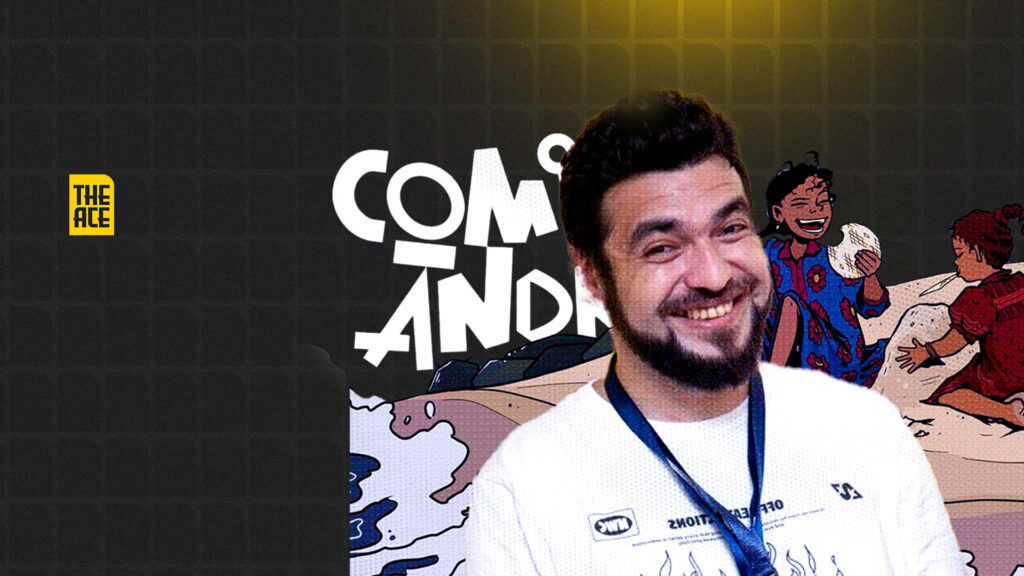
The idea predates the festival itself by five years. Muhammad Abd El Khalick, founder of Illusion Comics, first planned to launch a comics festival in Alexandria back in 2018, alongside a small group of local artists. “We were planning for this festival in 2018, but we weren’t ready to take this initiative yet,” he told TheACE in a recent conversation. The festival did not actually open until 2023, a partnership between Illusion Comics, the Alexandria comic community “Workshandrea”, and the Goethe-Institut Alexandria, which has anchored the festival’s funding and organisation ever since.
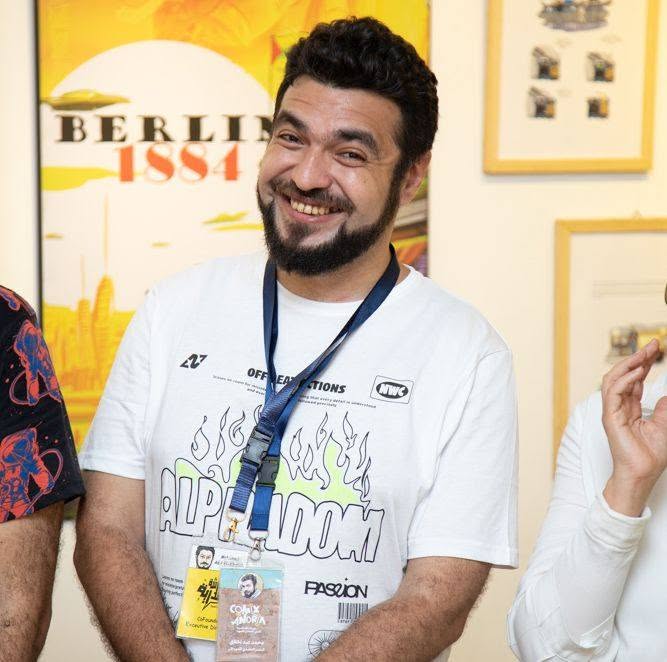
The first edition, held that August at the city’s Fine Arts Museum, drew a respectable but modest crowd for a festival with genuine institutional backing behind it. Rather than treat that as a setback, the team treated it as information: the venue moved, and so did the calendar, off the back of one clear lesson, that August is the wrong month for an Alexandria comics crowd. Every edition since has landed in late June or early July.
Part of what drove that first push was a frustration Abd El Khalick is candid about: Egypt’s cultural gravity sits almost entirely in Cairo, and Alexandria’s own comics community had to build its own room rather than borrow Cairo’s. “There is a problem in Egypt, everything is focused in Cairo,” he said, describing the years of outreach to publishing houses, artists and cultural centres that went into making Comixandria a destination rather than a satellite of the capital’s scene.
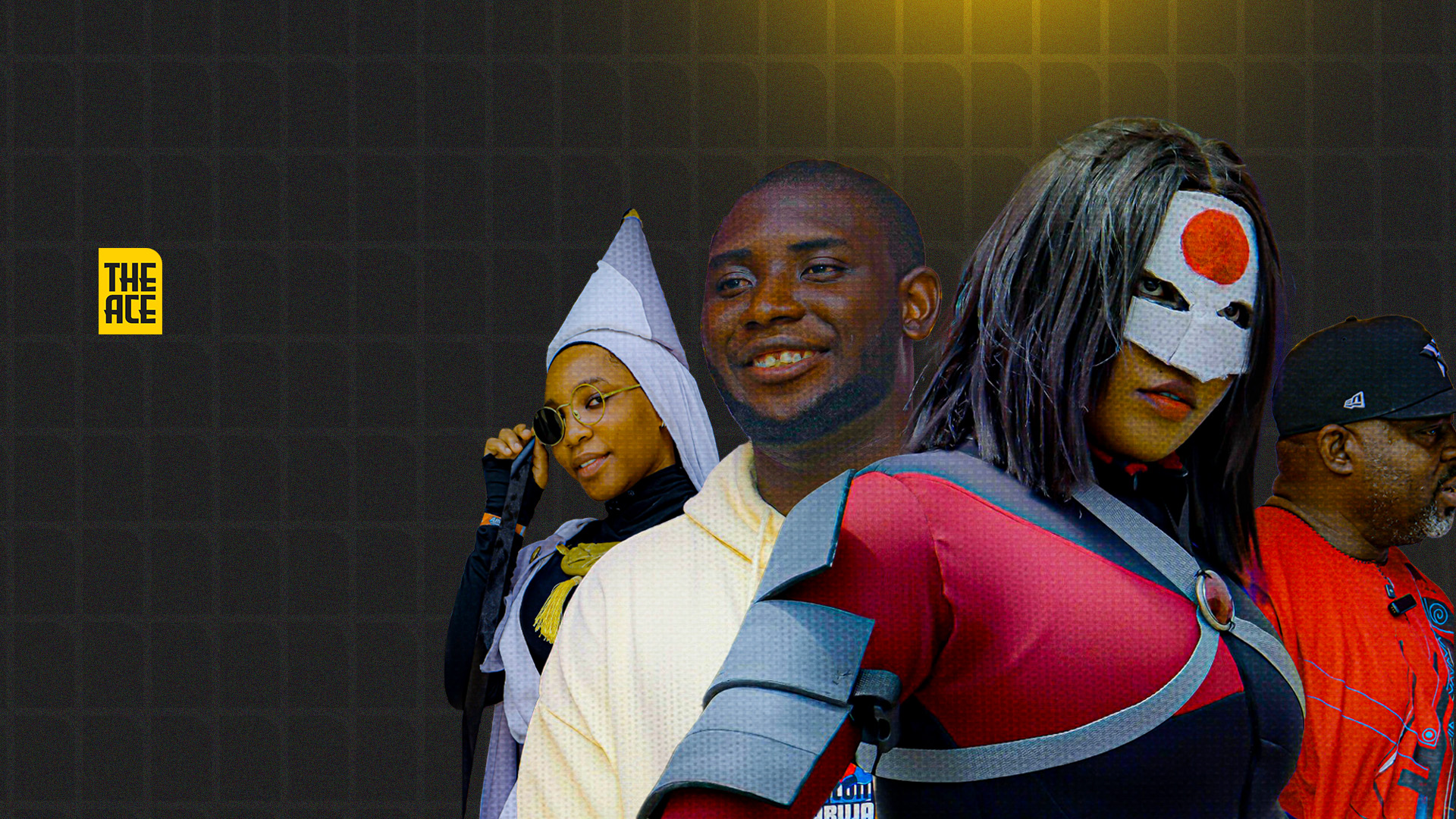
That pull, one city holding the cultural centre of gravity while another has to build its own audience from scratch, is not unique to Egypt. Nigeria has its own version of it. Cairo has Cairo Comix; Nigeria’s comics scene has long centred on Lagos, home to Lagos Comic Convention and much of the country’s publishing and studio activity. Ibadan had none of that infrastructure when Adedayo Adeoye Erivic began working towards Comic Con Ibadan, which formally launched in 2023, the same year as Comixandria. Erivic had run a campus-level precursor, Unibadan Comic Con, during his time as a student at the University of Ibadan, testing the idea in miniature before he had the standing or the resources to take it citywide.
Comic Con Ibadan’s first edition drew around 1,000 attendees in a city that had, in Erivic’s own words, been written off for years as uncreative. The shape of that story, an idea held until its convener was ready, a first edition that had to prove a doubted city wrong, and steady growth from there, is close enough to Comixandria’s own that it says something less about either city individually and more about how comics scenes tend to grow across the continent: not by inheriting an audience, but by building one where nobody assumed there was room.
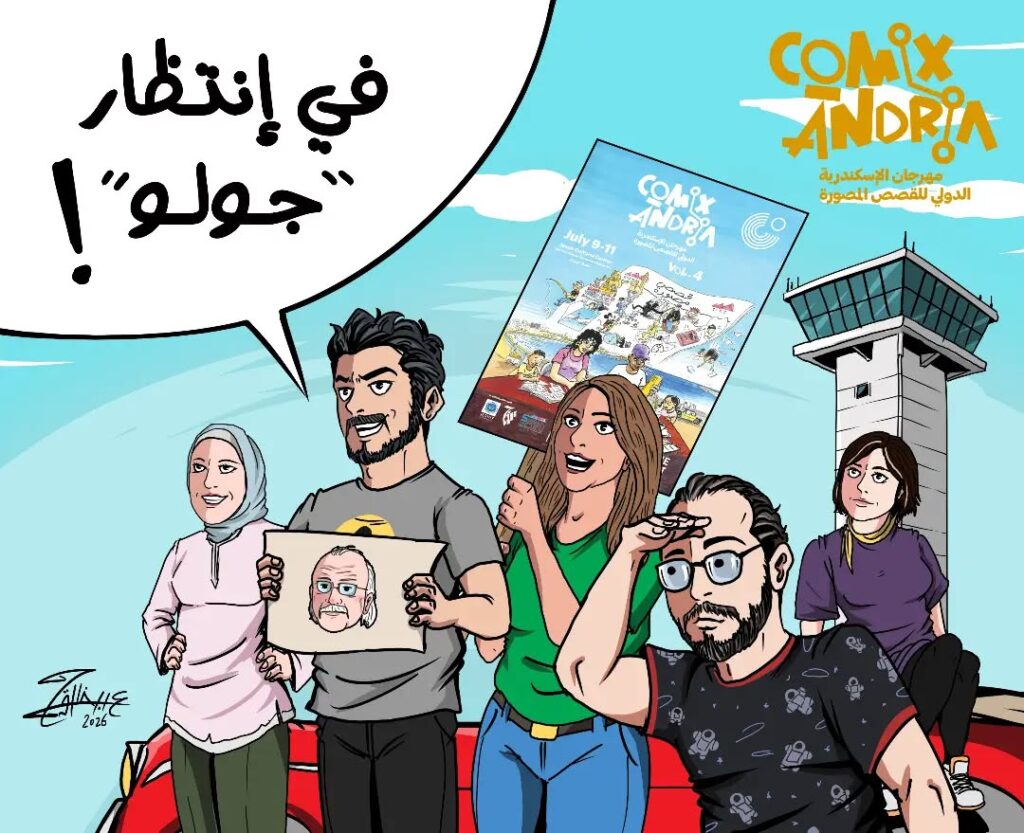
What followed in Alexandria was steady, deliberate growth rather than a single big leap. Attendance rose from roughly 350 visitors at that first three-day edition to over 1,000 the year after, helped by the venue change and rising media interest. The guest list has grown more ambitious, too. Last year’s third edition brought in Cameroonian artist Patrice Mbala, part of the A3 collective behind Cameroon’s MBOA BD festival, whose route to Alexandria ran through a Goethe-Institut AfriComics workshop in Ghana, proof that Comixandria’s cross-continental reach is not only aspirational, but it has already happened once. That same edition hosted Mohamed Alaa El-Din, known as Migo, an Egyptian artist with credits at Tok Tok and BBC Arabic and the 2021 Mahmoud Kahil Award to his name, the region’s benchmark comics prize. This year’s edition, with Golo and Deena Mohamed, continues that trajectory of pulling in artists whose work already carries international weight.
Underneath the growth sits a philosophy Abd El Khalick states plainly: the goal is not a bigger audience for comics, it is more people making them. “I’m focusing on raising a culture of creating comic books, not just watching them,” he said, a line that shapes the festival’s outreach to publishing houses and young illustrators as much as its annual 24-hour Comics Day workshop with the Goethe-Institut, built specifically to push emerging artists toward professional practice. It’s also why the festival has stayed narrow by choice. Egypt already has its animation events, its podcast festivals, its film weeks; comics have exactly one other home in the country, Cairo Comix, a few hundred kilometres away. Comixandria’s answer has been to commit fully to that lane: co-organiser Sherine Taman and Abdul Khalik both point to a plan to stay comics-only through at least a tenth edition, before any expansion into adjacent art forms is even considered.
It is a long horizon for a festival only four editions deep, but it tracks with how it got here: an idea held for five years until the people behind it were ready, a first edition that undersold and got corrected rather than shelved, and now, this week, a fourth edition drawing artists from Cameroon to Cairo to Paris through the same doors. For a scene that still has to compete for attention against Cairo’s gravitational pull, patience looks like it’s paying off.
--------------------------------------------------------
--------------------------------------------------------
AI Use at TheACE
TheACE uses artificial intelligence tools to support research, drafting and analysis across Africa’s creative industries. All content is verified, edited and approved by our human editorial team to ensure accuracy, clarity and responsible storytelling. AI assists our work; it does not replace human judgment.