For an organisation that became known largely through technology, startups and innovation, Co-creation HUB’s (CcHUB) growing involvement in the creative economy represents an interesting expansion of its work. CcHUB now identifies Creative Industries as one of its main areas of focus, alongside education, health, technology and society, and its programmes bring together creators, entrepreneurs, infrastructure and funding.
That development is particularly relevant to Nigeria’s animation and comics communities, and to Africa at large. There is no shortage of people learning to draw, write, animate, design characters or develop original stories. The harder question is what happens after the idea has been made. A creator may have the technical ability to produce a project and still lack access to equipment, funding, collaborators, professional networks or the business knowledge required to take that work further.
A Hub Built for Storytellers
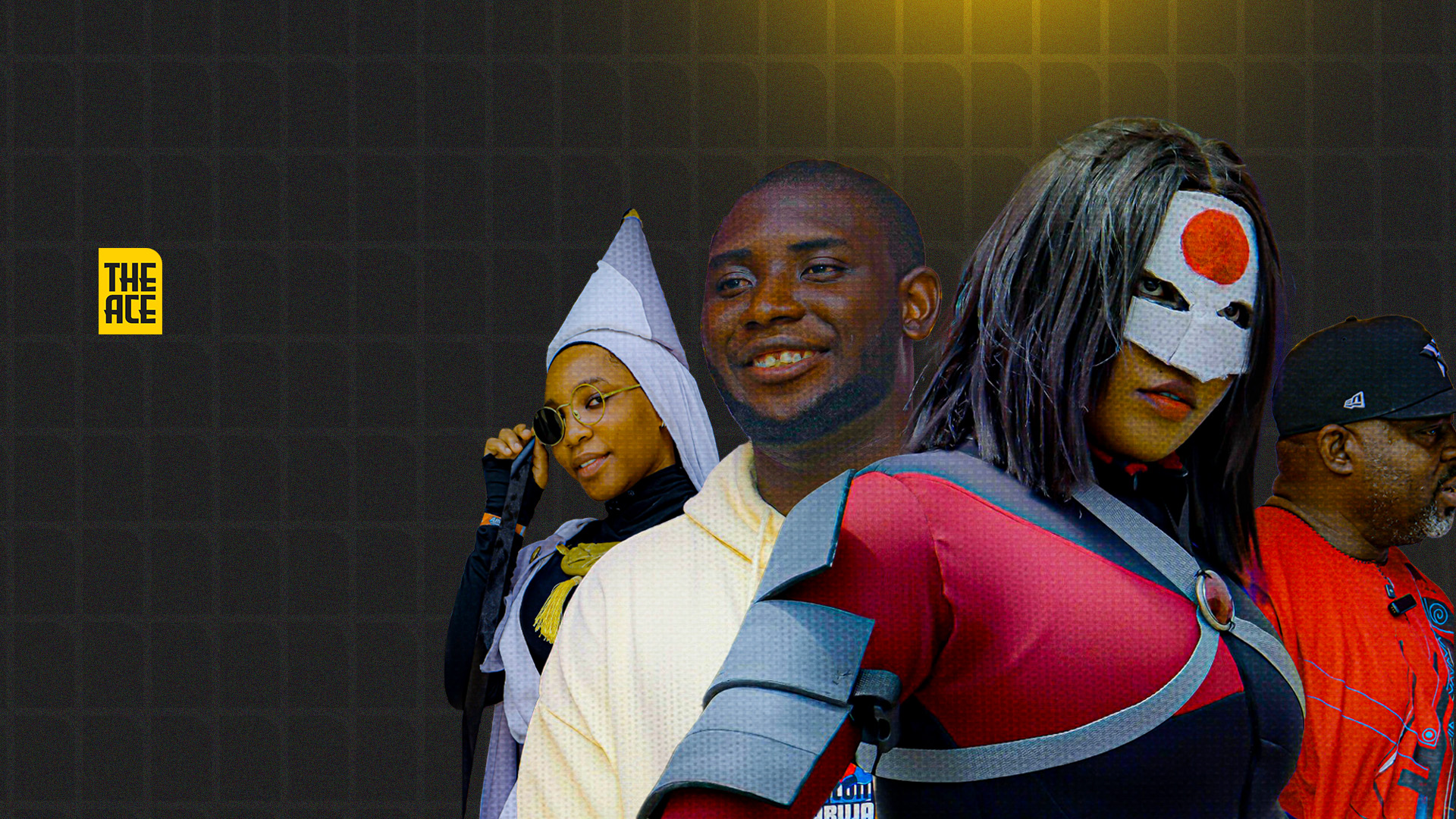
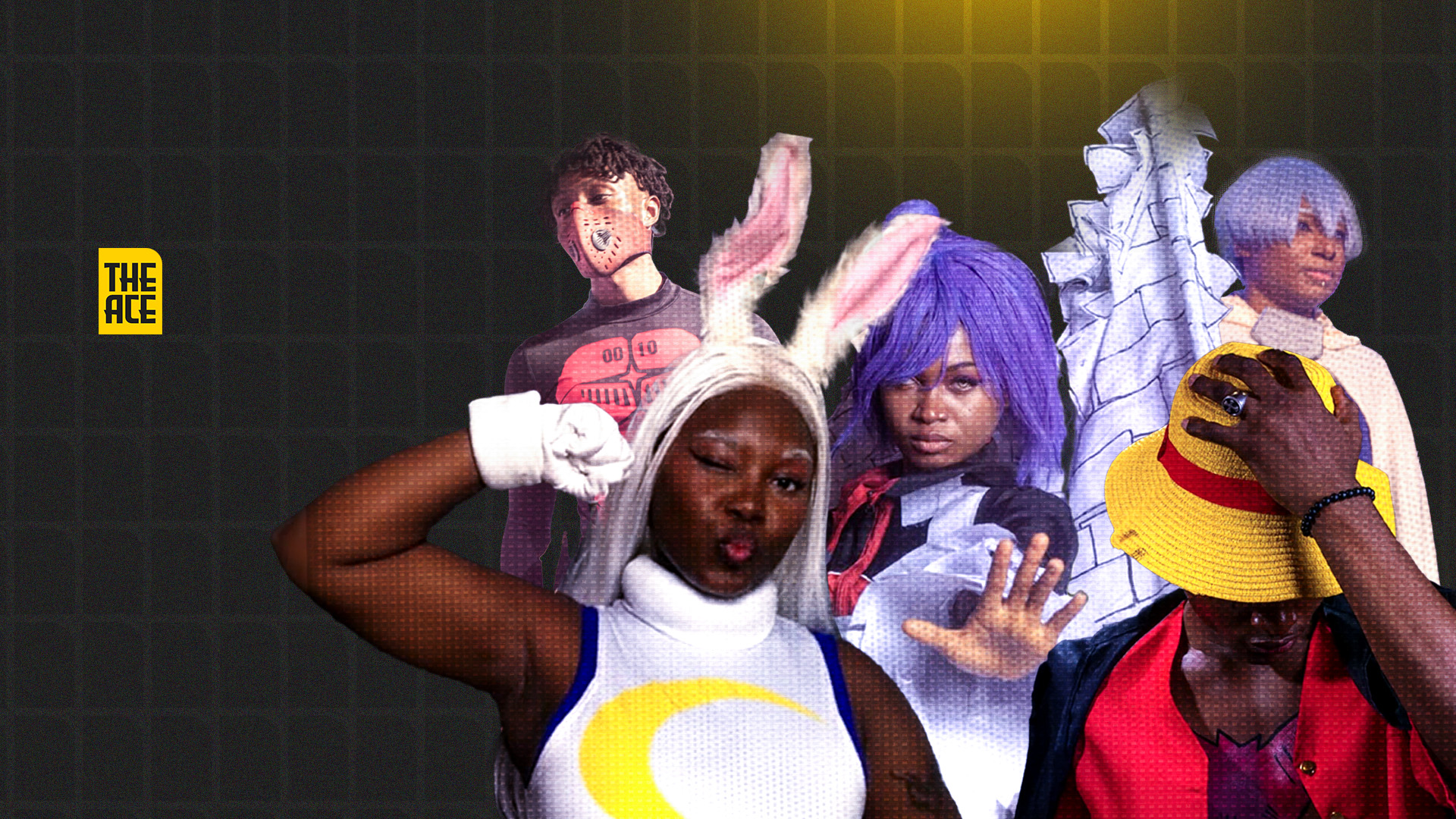
One of CcHUB’s clearest answers to that gap is the Entertainment and Media Hub, an open workspace in Lagos and Kenya where members pay close to nothing for access to a creative community, studios and podcast rooms. It is not an incubator where ideas are cooked up and shipped; it functions as a working community of sound engineers, gamers, filmmakers, producers, writers and VFX artists, with free community access and events alongside its paid tier.
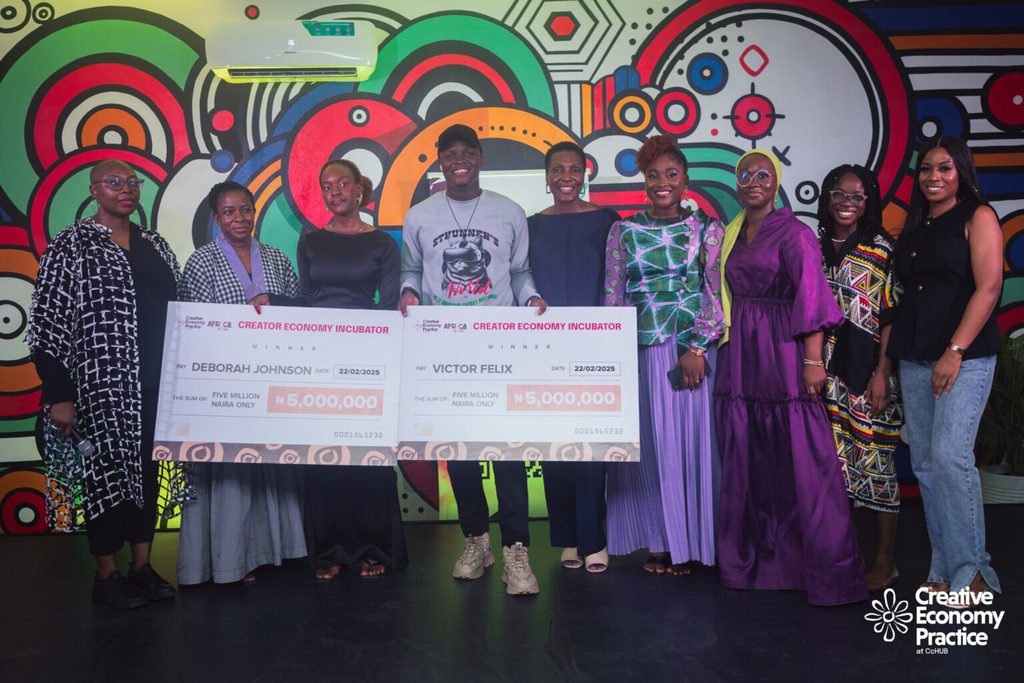
The numbers behind it have grown quickly. Since 2023, the Hub has served more than 1,000 users through its free podcast studios and editing suites, engaged with a community of over 3,000 storytellers, hosted close to 700 creative sessions, and brought in over 6,000 attendees through collaborations with other organisations. This is the side of CcHUB that the technology brand is now pushing closer to the mainstream.
That ambition has roots in the space CcHUB has occupied in Yaba for years. Iyin Aboyeji, ex-Andela and ex-Flutterwave founder, began from a single desk at 294 Herbert Macaulay Way, the same community space, now open on the 5th and 6th floors in Sabo-Yaba, before going on to co-found companies now valued in the billions. His challenge to today’s founders is to aim larger still. “It’s only audacious until it’s done,” he says.
Founder and former editor at TechCabal, Fuad Lawal, who also runs the archival venture ArchiviNG, describes community as “a container for reactions”, a space where ideas get tested and shaped by others. For independent creators developing original IP, that kind of exchange can be as valuable as funding itself.
Why the Tech Background Matters
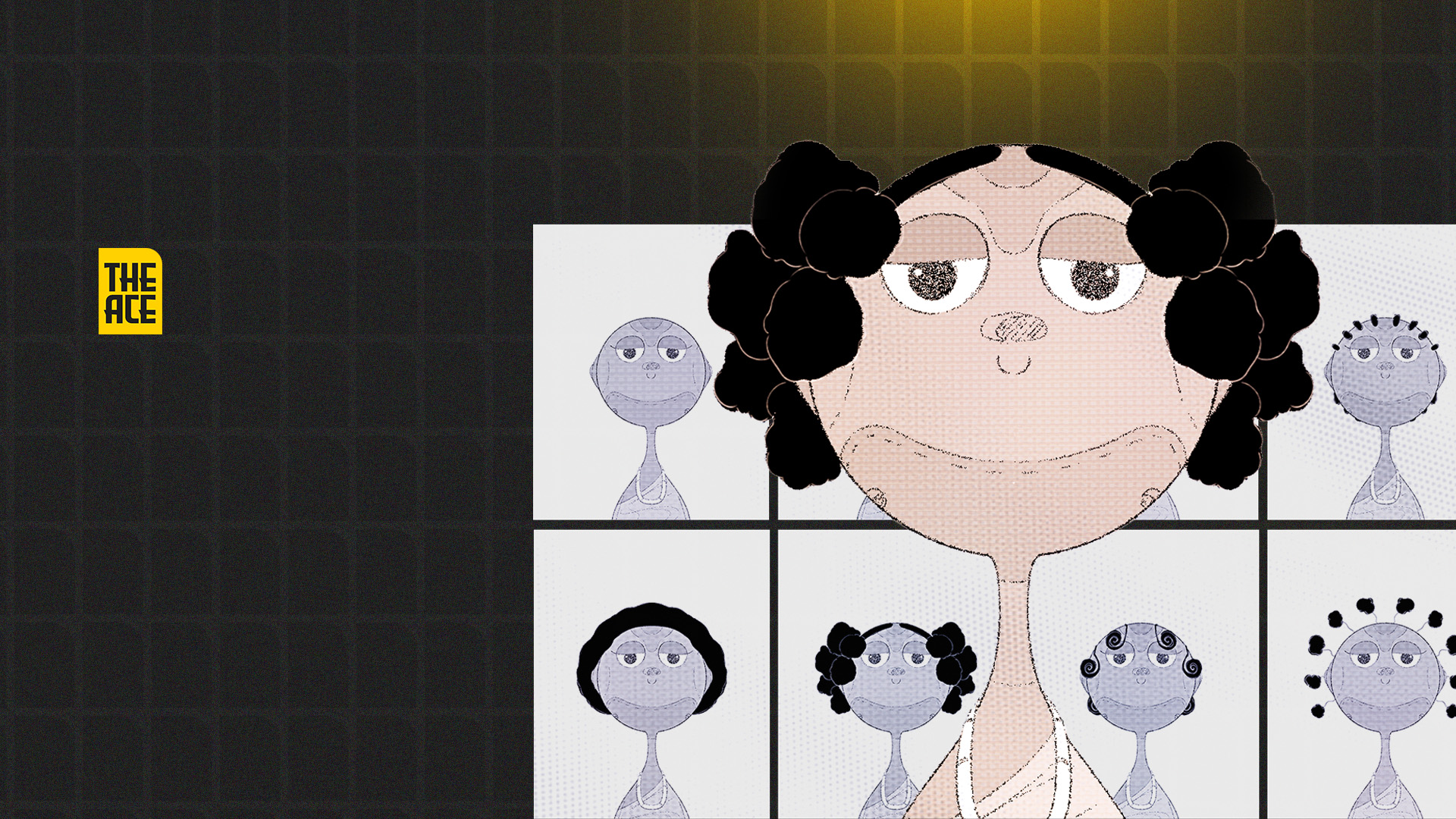
According to CcHUB, there is an opportunity for creators to grow a single idea across multiple mediums. A story developed as a comic can be further developed as an animation, or adapted into a film, game or merchandise line, different projects built from one original IP. An illustrator can move into animation or digital design; an animator can become involved in film, gaming or interactive media.
But CcHUB is clear that technical ability alone will not determine whether a creative business succeeds. Growing an idea into a sustainable venture across mediums requires business knowledge and access to people outside a creator’s immediate discipline, which is where the organisation’s technology ecosystem background becomes relevant. Its approach does not treat creative work as separate from entrepreneurship: how creators develop skills, find collaborators, access capital, understand markets and build businesses around what they make is treated as part of the same problem, not an afterthought to it.
Moving from Passion to Business
Across Nigeria’s creative industry, the animation and comics communities have largely done well despite the absence of a deliberate structure to carry them. Plenty of people have the technical skills but still struggle to move from a first project to a sustainable career, and that struggle rarely has anything to do with talent.
CcHUB is positioning itself in that gap, not as a replacement for publishers or studios but as a bridge between technical skill and business acumen. A creator who has produced one animated short or graphic novel still has to answer practical questions: How do I monetise this? What licensing and IP agreements should I enter into? Where do I find funding for the next phase? These are not questions a better drawing hand can solve, but they can decide whether a project stays a one-off experiment or becomes something sustained.
That commitment is not limited to animation and comics. CcHUB’s 2025 impact report records support for ventures through funding, incubation, acceleration, mentorship and market access across 49 countries, alongside recent creative economy work that has included fundraising workshops and further support for creative entrepreneurs.
The organisation points to past beneficiaries as evidence of the trajectory it is trying to build. Nafisa Hafiz, a Fashionomics Cohort 3 Top 25 finalist from Sudan, went on to found NUCY, a ready-to-wear label, and credits the programme with helping drive a 20% increase in revenue. In Nigeria, Ifechukwu Mercy Michael, known as Ifé, took a grant from the Amplify Bootcamp and created Echoes of Home, a digital mini-series promoting the Igbo language through music and storytelling. Both illustrate the same pattern: a programme built around one project, followed by a business or an ongoing body of work built on top of it.
Two Opportunities Worth Acting on Now
For animators and comic creators reading this as more than background, two live opportunities are worth flagging directly.
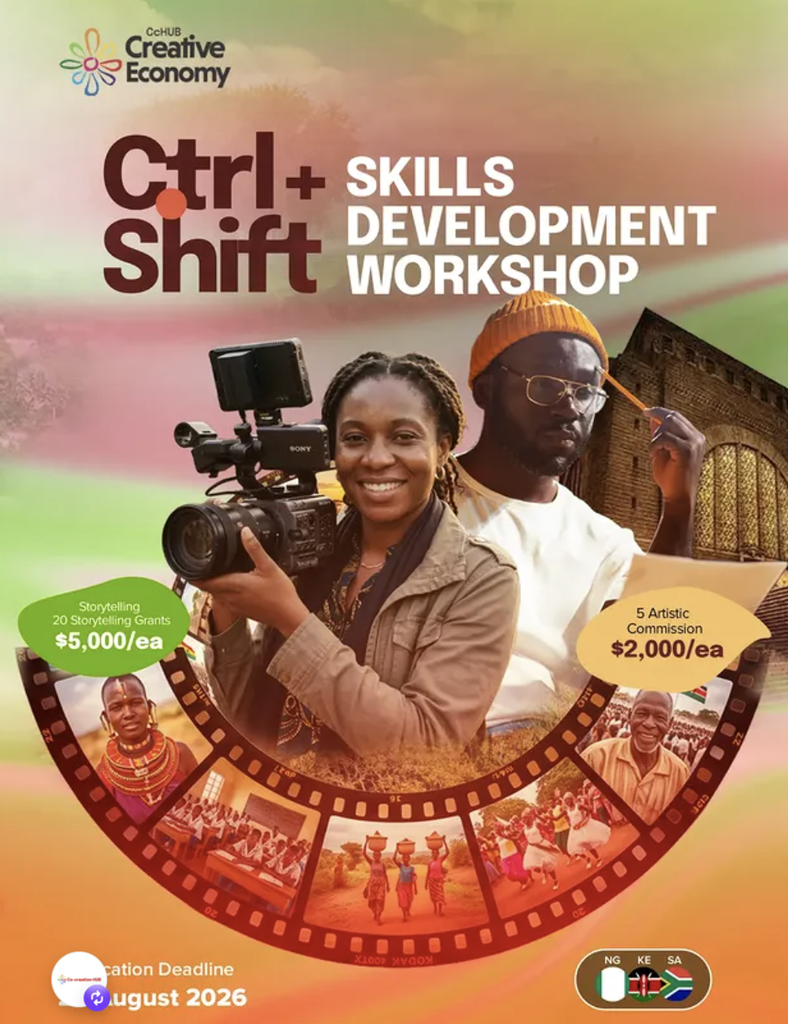
CcHUB’s current Ctrl+Shift initiative is offering 20 storytelling grants worth $5,000 each and five artistic commissions worth $2,000 each, a combined $110,000, to creative entrepreneurs in Nigeria, Kenya and South Africa. Animators are explicitly included alongside filmmakers, podcasters, digital creators, immersive-experience designers and digital artists, with the work centred on stories dealing with digital rights, privacy, Big Tech and the impact of technology on African life. Comic creators whose work engages technology or digital culture have a real, if less obviously labelled, entry point here, which is one more reason to watch the wider creative-economy ecosystem rather than only programmes advertised specifically for comics.
Separately, CcHUB is set to run the Namibia Creative Exchange from 23 to 28 August 2026, delivered with support from the Namibian government and partner institutions. It opens with a free Creative Fair, vendors, exhibitors, and an open mic, before moving into a skills programme spanning music, fashion design, photography, film, publishing and more. The focus is deliberately practical: participants learn how to price their work, negotiate fair contracts, and understand what rights they are giving away when a client pays them. It is the same underlying idea as Ctrl+Shift, applied outside Nigeria: turning talent into a sustainable business without losing control of it.
The Creative Future
This does not mean CcHUB has solved the problems facing Africa’s creative industries. It has not. Access to finance, production infrastructure, distribution and intellectual-property protection remain real barriers, and CcHUB is not positioning itself as a replacement for publishers, studios or production companies.
What it is attempting is narrower and, arguably, more useful: strengthening the structures through which creators and creative businesses access resources, knowledge, networks and opportunities. For comic and animation creators weighing where they fit into that work, the most productive question may not be whether CcHUB will publish a particular comic or produce an animator’s next film. It is whether a specific programme, a grant, a workspace, a training track, or an exchange can solve a problem they currently have.
CcHUB’s growing presence in the creative economy suggests the relationship between storytelling, technology and entrepreneurship is becoming a more established part of the African creative landscape. The useful question for creators now is not simply where they can display their work, but which of these emerging structures can help them develop it further.
Written by Nehemiah Osarodion and Mujeeb Jummah
——————————————————–
——————————————————–
AI Use at TheACE
TheACE uses artificial intelligence tools to support research, drafting and analysis across Africa’s creative industries. All content is verified, edited and approved by our human editorial team to ensure accuracy, clarity and responsible storytelling. AI assists our work; it does not replace human judgment.