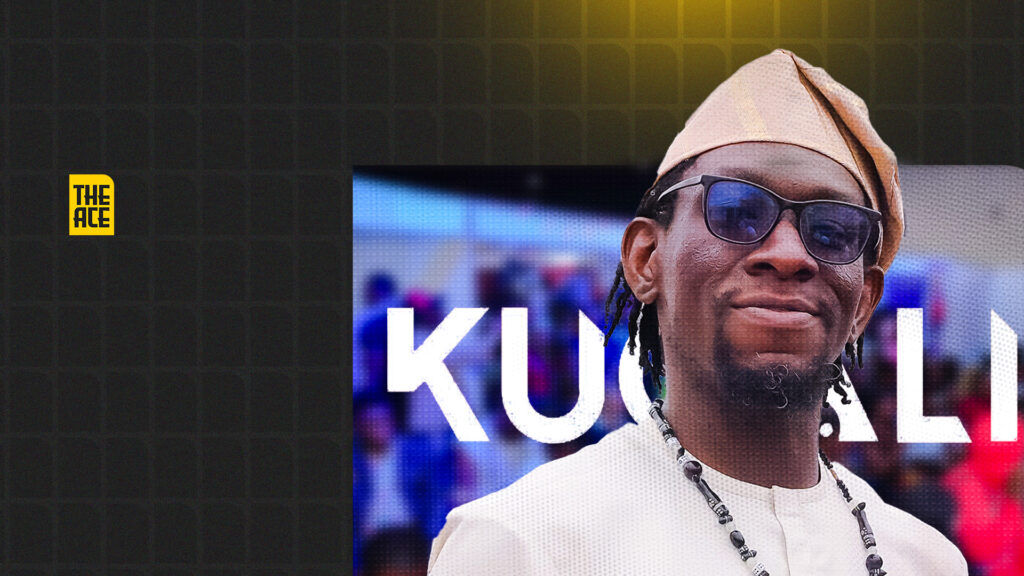
In an industry driven by the rush to build independent platforms, Tolu Olowofoyeku is offering a rare piece of advice to emerging African storytellers: don’t start a business.
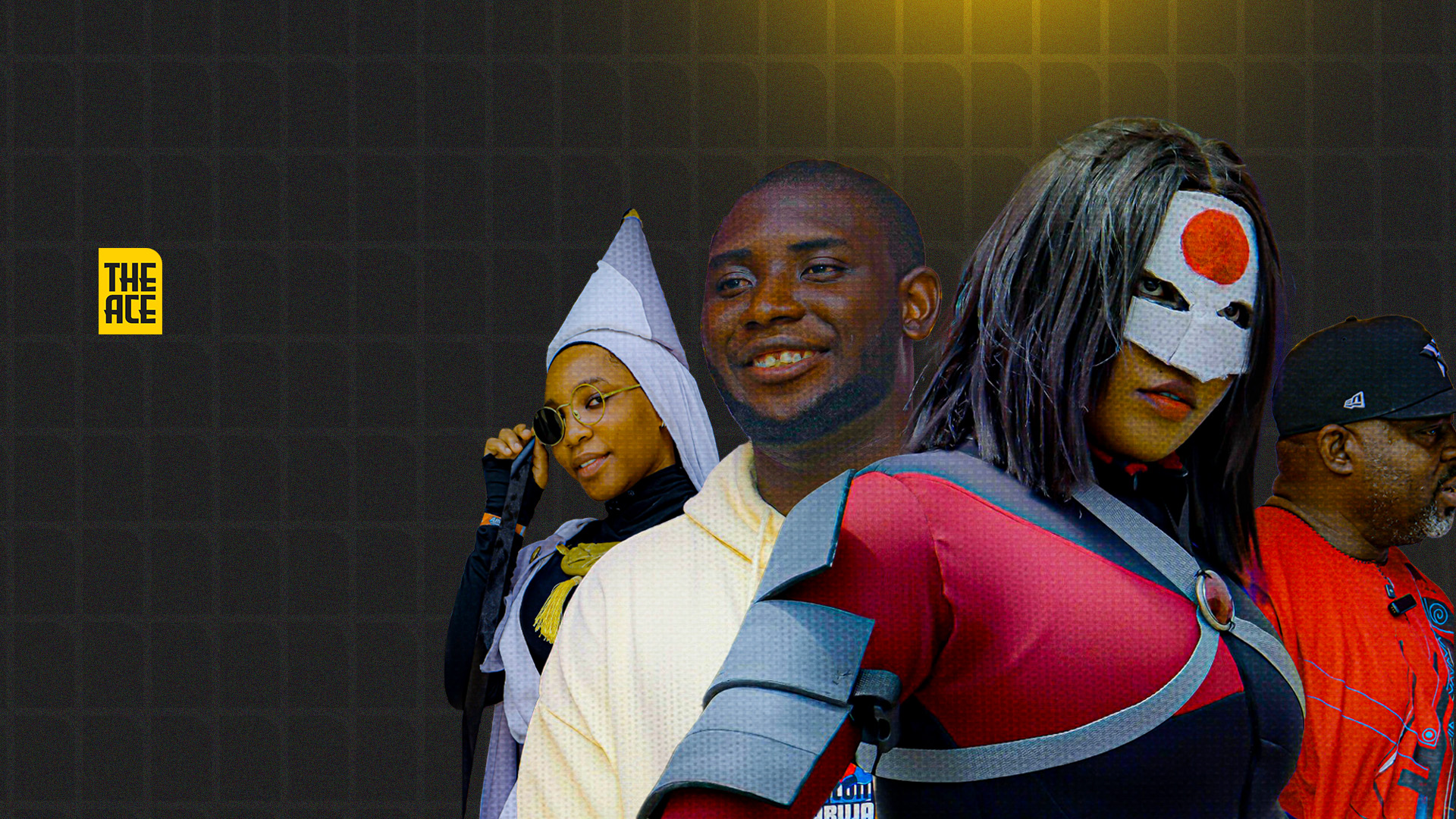
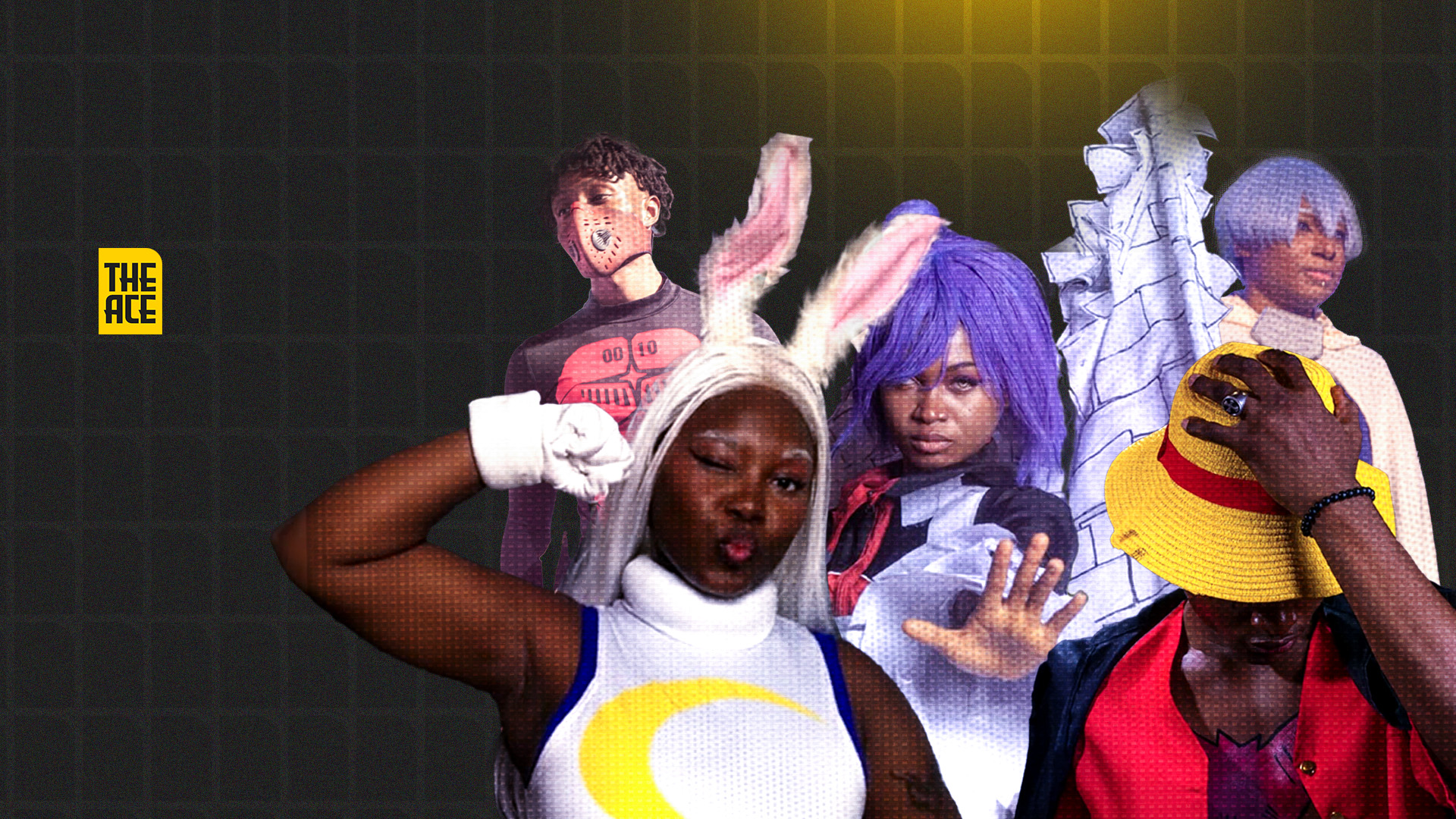
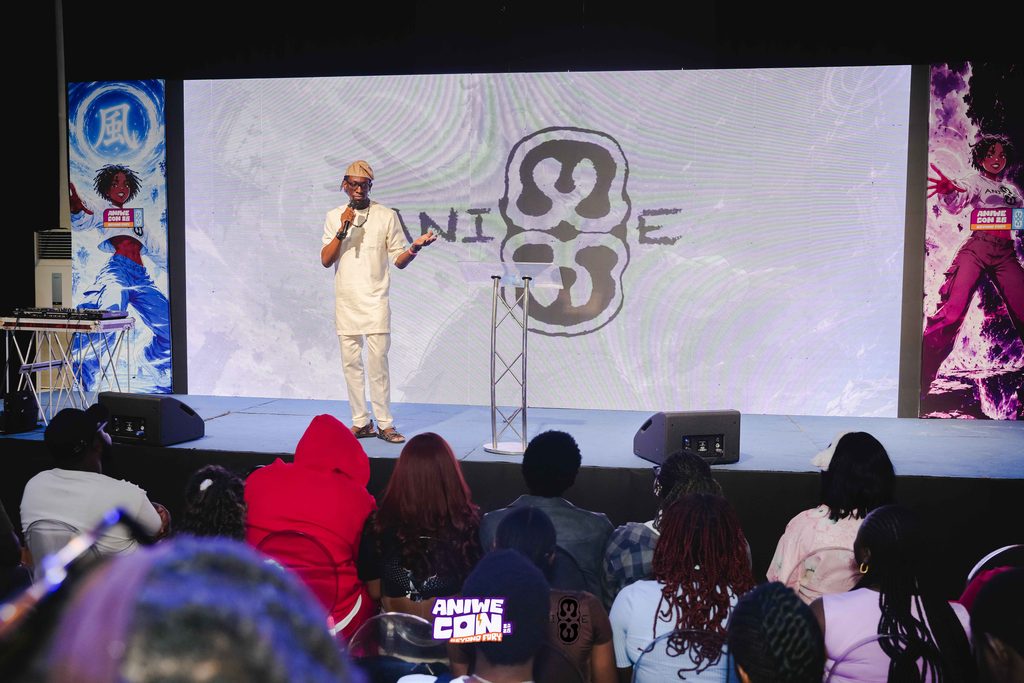
Speaking during a workshop session at AniWeCon 2026, the co-founder of Kugali Media, the studio behind Disney’s Iwájú, struck a surprisingly grounded tone for a room filled with aspiring animators, comic creators, and game developers. While conventional logic encourages every artist to launch their own brand, Tolu’s message was a stark reality check on the friction of building media infrastructure from scratch.
“Not everybody needs to start a business,” Tolu told the audience. “You can join an existing movement. You can join something that someone else has already started, that is already going strong, because it’s very, very hard to start and sustain a business.”
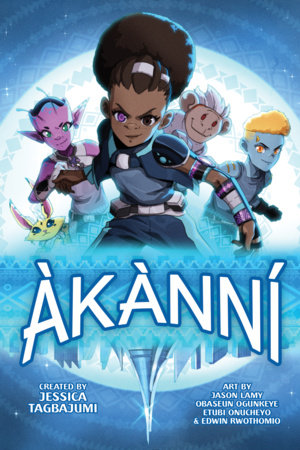
Tolu’s warning addresses a growing challenge in the emerging African creative ecosystem: fragmentation. Long before Kugali’s landmark deal with Disney Animation or its upcoming hyper-distributed graphic novel releases with Disney Hyperion (Akanni and Runeless), the studio’s founders realised that solo enterprise often leads to burnout rather than impact.
Attempting to build media infrastructure single-handedly dilutes resources in an industry that desperately needs consolidation. Tolu pointed out that Kugali itself grew stronger when Ugandan creator Hamid Ibrahim actively sought out an existing team rather than launching a redundant enterprise from scratch. By pooling vision and resources with like-minded builders, they accelerated their growth far beyond what individual effort could have achieved.
For creators navigating this landscape, Tolu outlined a pragmatic framework for transitioning from a fan to an industry builder without falling into the founder trap. He said instead of creating a new studio from scratch, look for established teams or initiatives aligned with your vision. Teaming up with existing movements allows you to contribute directly to momentum that is already building, rather than spending years trying to establish initial traction alone.
He also disclosed that if you must start a new entity, it should be born out of practical necessity rather than vanity. Kugali was founded because Tolu identified a critical bottleneck: discoverability. African creators were producing quality work, but global outlets like IGN, IMDb, or Goodreads were not covering them. A new project is only justified if it directly fixes an unaddressed breakdown in the creative value chain.
Tolu noted that discoverability is useless if audiences cannot buy or access the work. Recognising this gap, Kugali pivoted from running a discovery podcast (2015–2017) to active publishing. By curating regional talent, such as their 2018 Kickstarter-backed anthology featuring creators across Nigeria, Ghana, and Senegal, they built the largest collection of African comics on the planet, ultimately catching the attention of global distributors.
For creators looking to pitch existing studios, professional discipline matters. Tolu emphasised using established evaluation portals, like Kugali’s dedicated story submission pipeline, rather than informal channels. Understanding how studios manage production bandwidth ensures pitch efforts are targeted, realistic, and respect industry workflows.
Closing the session, Tolu offered a glimpse into Kugali’s expanding global imprint, teasing “Project Keychain” – an unannounced co-development deal with a Japanese entertainment giant to adapt an established international IP specifically for African audiences. Yet, his final and most resounding charge to the room was simple: stop waiting for corporate greenlights.
Waiting for traditional publishers or institutional validation stalls momentum. Dismissing common anxieties around intellectual property theft and gatekeeping, Tolu urged creators to publish routinely on public platforms – whether personal blogs, webcomics, or social media. International media and global entities scout creators who demonstrate public output and verifiable audience traction.
“Disney discovered us because we were putting ourselves out there,” Tolu noted, and added that “don’t wait until you reach a major publisher. Put the work out there in whatever form you can.”
——————————————————–
——————————————————–
AI Use at TheACE
TheACE uses artificial intelligence tools to support research, drafting and analysis across Africa’s creative industries. All content is verified, edited and approved by our human editorial team to ensure accuracy, clarity and responsible storytelling. AI assists our work; it does not replace human judgment.