AfroAnimation has been building one of the most important spaces for Black animators across the globe for years, connecting creators to big studios, recruiters and each other in ways that just didn’t exist before. That journey has now taken a major turn as the organisation is contemplating bringing its summit to Lagos in October 2026, tentatively, which could be the first time the event will touch African soil. For a continent with an abundance of animation and illustration talent, but often starved of access to the gatekeepers of the global industry, this could be a watershed moment.
Frame 1: Where It All Began
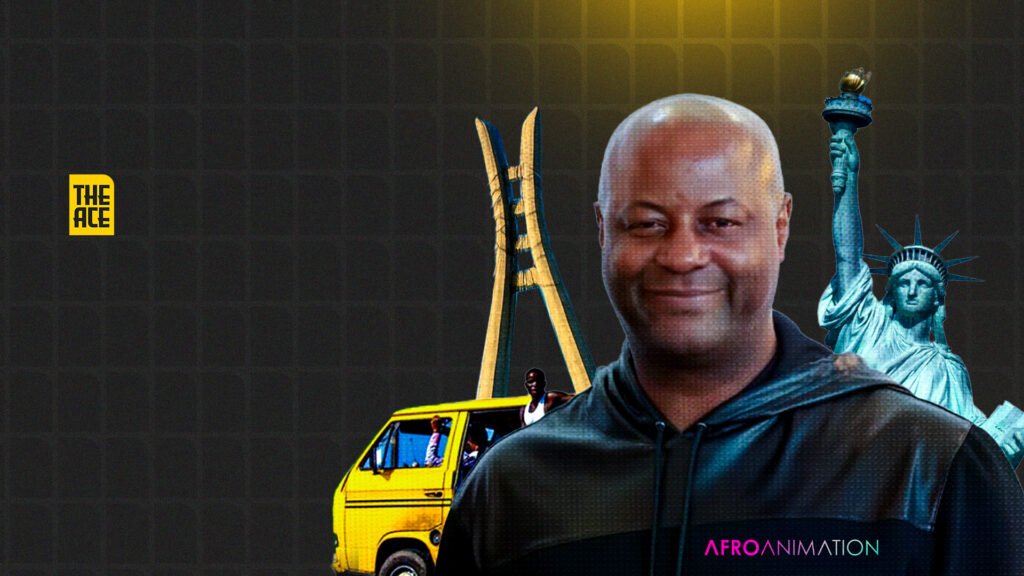
Like so many things in recent memory, the story of AfroAnimation begins in 2021 during the COVID-19 pandemic. Founder Keith White was working on a premium short-form video platform that needed a creator community. While searching for that base, he came across a wave of brilliant illustration work by Black creators on Instagram and was struck by how little infrastructure existed around it.
“I didn’t have any social capital with any creator community,” White recalls. “I looked to see if there had been any animation conferences for Black animators. And I found nothing as an in-person conference.”
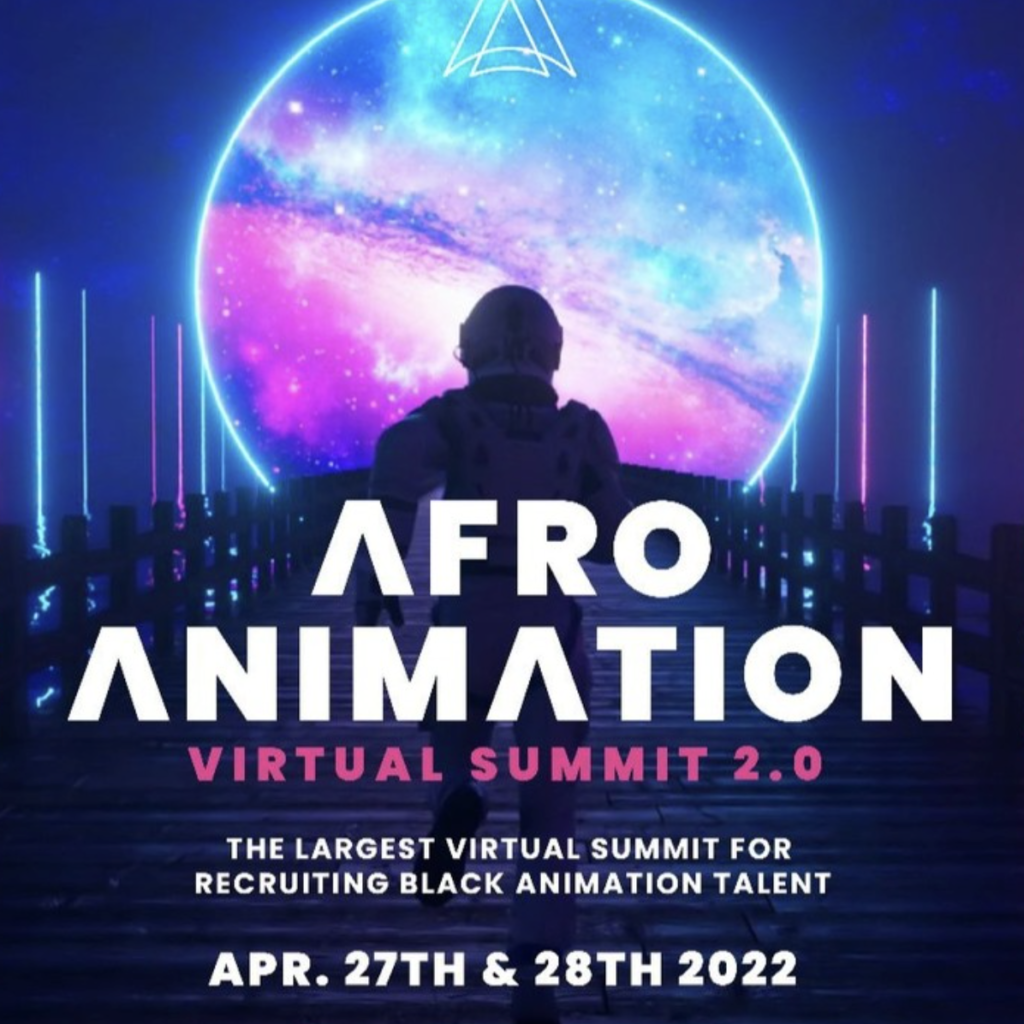
That gap, combined with the cultural reckoning following the George Floyd protests in the US and a broader industry conversation about diversity, convinced White to act. Calculating that a virtual event would cost “15 cents on the dollar” compared to an in-person launch, he pulled together a small team to build a bridge between the industry and underrepresented talent.
“I felt that there was a disconnect between the studios and the Black animation community,” he says. “If I could bring the community together as well as the studios, then I would have solved a problem.”
White’s research into the historical roots of Black participation in animation eventually led to the Margin to Mainstream project, a lecture tracing 70 years of Black contribution to animation, television and film. What began as a talk for DNEG Animation in the UK for Black History Month has since been delivered at the University of Southern California and the Television Academy and is now being developed into a documentary.
“It reminded me of our very first keynote speaker at AfroAnimation, Dr Sarah Kambities out of Canada, who said, ‘You cannot become what you cannot see,'” White explains. “That theme really resonated. Because it’s so vital for us as a people to create our own narrative, I felt this history needed to be catalogued.”
Frame 2: From Virtual Rooms to Packed Expo Floors
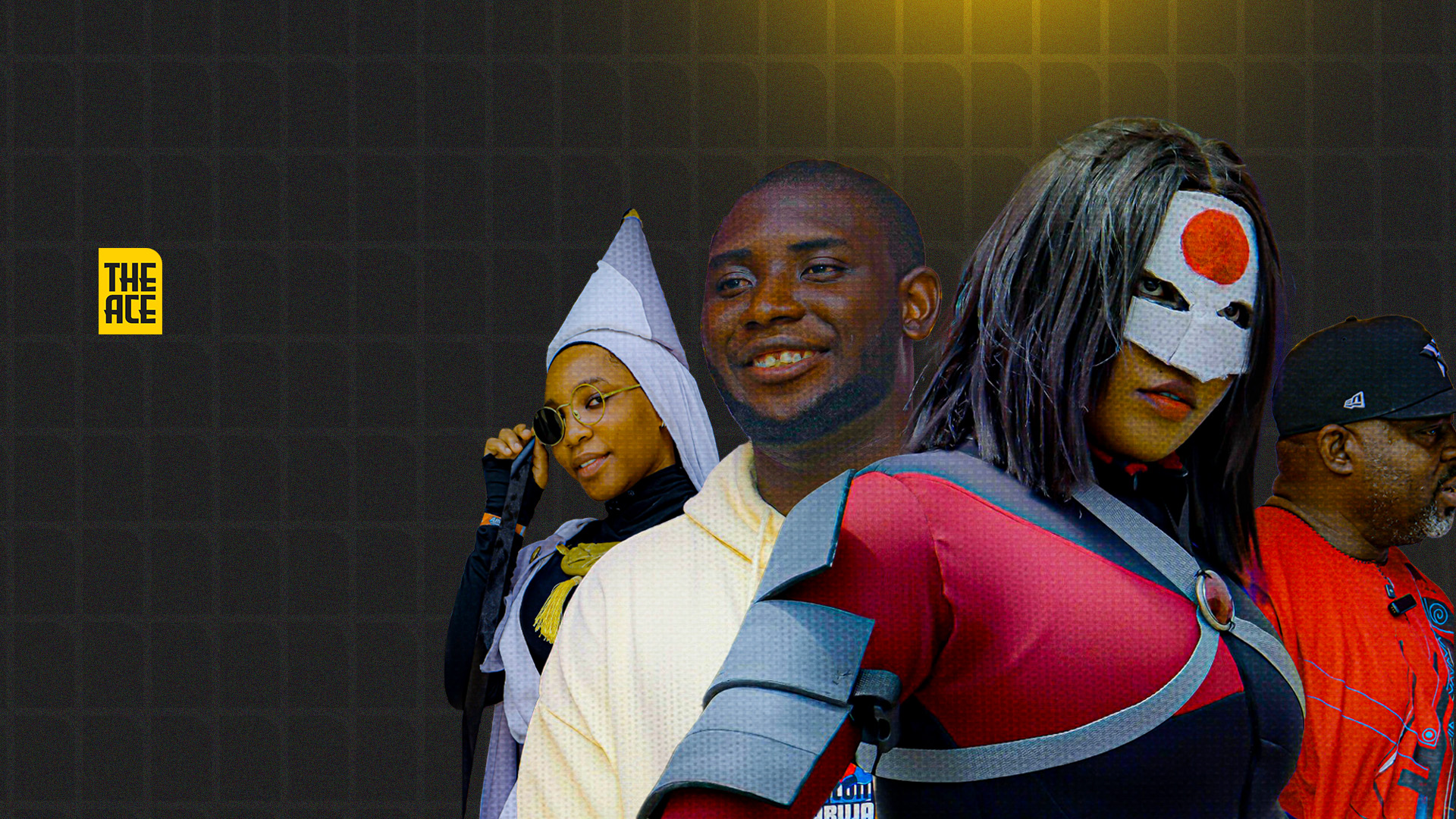
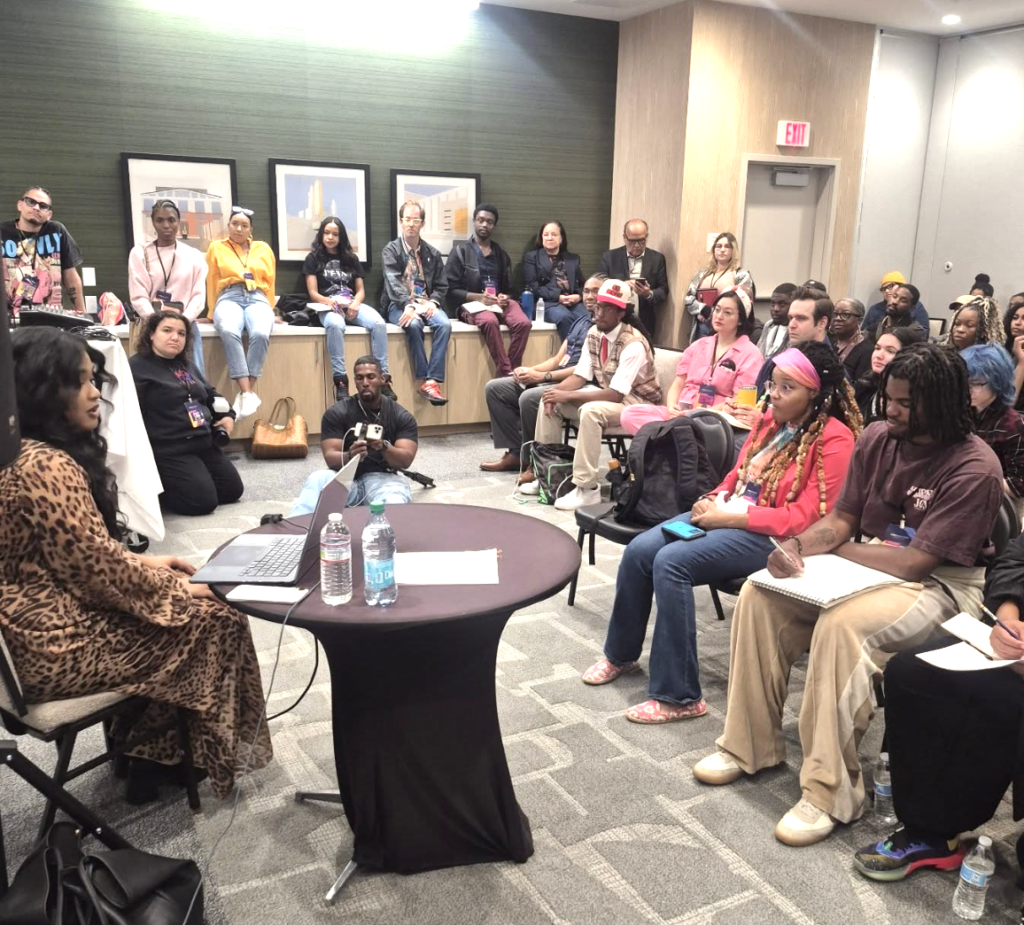
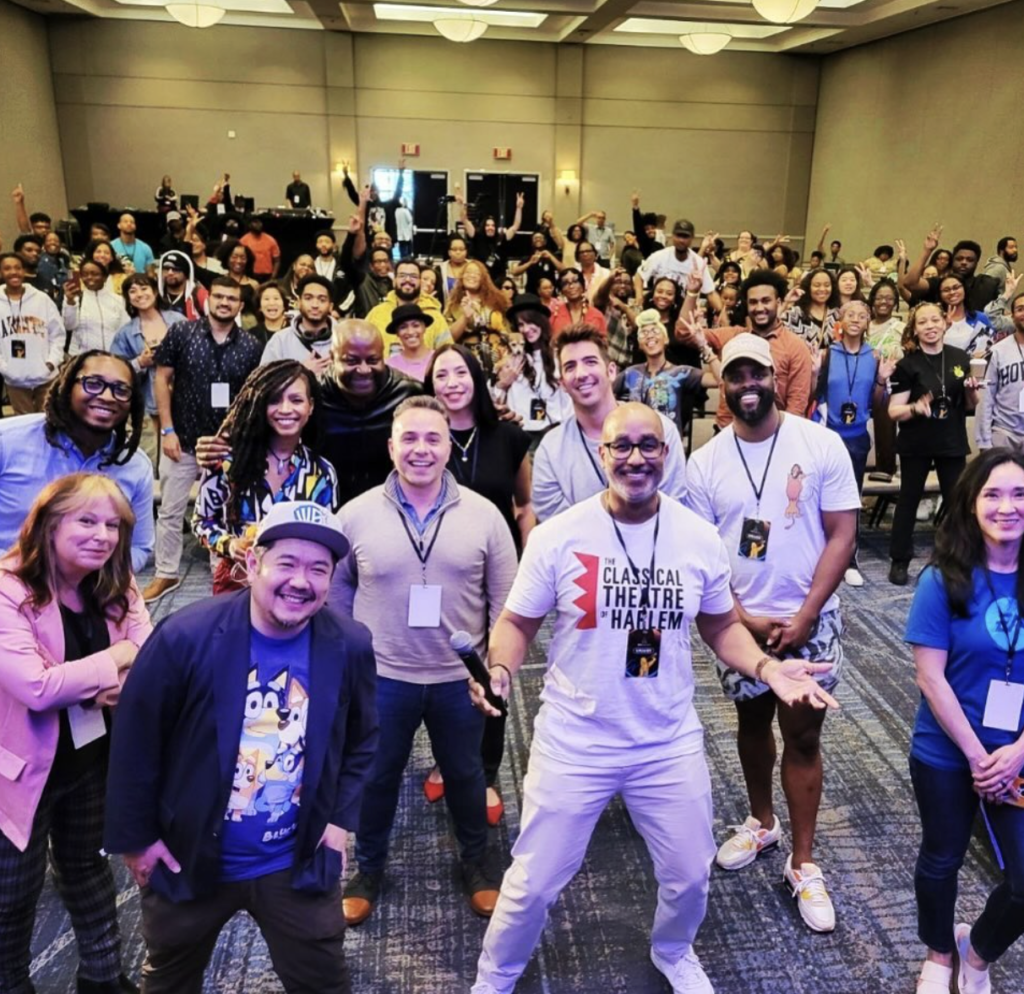
The first two editions, held virtually in 2021 and 2022, proved there was a significant appetite for such a space. But it was the shift to an in-person format in 2023 that completely transformed the event’s trajectory. Suddenly, attendees were not just watching panels from behind a screen — they were walking expo floors, having their portfolios reviewed by recruiters, and picking up award recognition through the event’s Icon and Ford Awards programming.
The physical environment generated an energy that no virtual space could replicate. “It was almost like coming to your family reunion after 10 years,” White explains. “You could go from Disney to Sony Animation to Warner Bros to Cartoon Network, all in one space.”
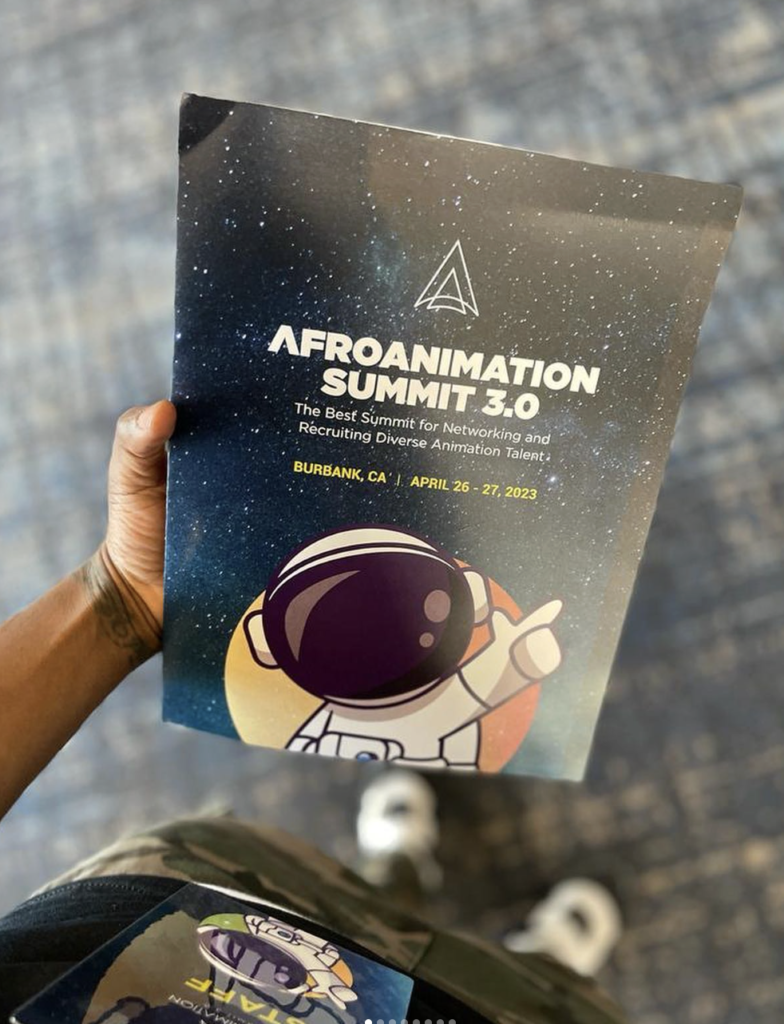
The networking, he adds, was “two or three times better” than anything the virtual editions had achieved. ” As a creator, you could walk straight up to the Sony Animation booth, talk directly to recruiters, and get an in-person portfolio review. You simply cannot replicate that kind of eye contact, inflexion, and feedback in a virtual event.”
The numbers back up the impact. That first in-person edition in 2023 drew 945 attendees. By its most recent iteration, total engagement had skyrocketed to roughly 9,000 attendees, a tenfold increase from its physical debut, driven by a significant year-on-year jump.
Buoyed by that momentum, AfroAnimation took its first steps overseas with a successful event in London in December 2025, confirming an international expansion strategy that has now set its sights directly on Nigeria.
Frame 3: Why Lagos, Why Now
For African creators, this is where the narrative shifts from an overseas success story to a local reality. The choice of Lagos, if it pulls through, is a deliberate nod to a creative community that has been steadily demanding global attention.
While AfroAnimation does not currently run a dedicated, Africa-only awards category, continental talent has already proven it can hold its own on the world stage. “I believe a year or two years ago, a Nigerian won one of those [international] categories,” White notes. “They competed on the international stage and won.” (TheACE has reached out to AfroAnimation for the winner’s name and project details and will update this story accordingly.)
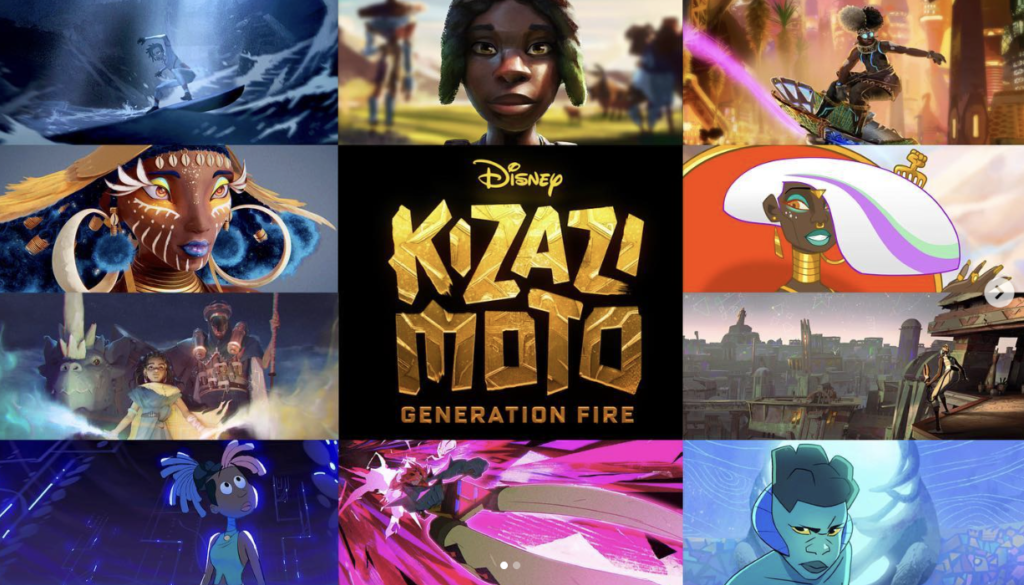
The global success of African animation is no longer an anomaly. This is evident in the continent’s commercial projects such as Disney’s pan-African anthology Kizazi Moto: Generation Fire. and narrative power. When asked about the impact of such series, White is emphatic: “Excellent, excellent, amazing.”
A Lagos-based summit, then, will not merely be symbolic. It will raise pressing questions about what direct, physical access to multinational studio recruiters could mean for creators based on the continent, many of whom have historically had to navigate the global industry from a digital distance.
“We are looking at October of 2026 on the weekend,” White says, noting that behind-the-scenes logistics are moving swiftly. “There are some things we have to solidify in the next week or so. Once we have those solidified, then we’ll be in a position to officially announce that.”
Frame 4: Beyond the Summit, Building a Digital Ecosystem
AfroAnimation’s long-term ambitions extend far beyond annual events. The organisation is actively building a permanent digital infrastructure designed to sustain creative careers year-round.
At the forefront of this is JobFarm, a recently launched global job discovery platform. JobFarm aggregates daily listings across animation, gaming, entertainment, and tech into a single searchable destination. The platform features an AI-powered resume analyser that uses machine learning to score applications and flag specific structural strengths and weaknesses. A beta test conducted shortly before launch generated nearly 300,000 organic views across just four or five ads, none of them paid, signalling considerable market demand.
White’s ultimate vision for JobFarm is characteristically ambitious: “The go-to platform globally for any job that’s in the creative industry… in terms of likeness to LinkedIn for creatives.”
Following JobFarm, the company is also developing Loopi, a premium, short-form streaming platform designed to host creator-led live-action and animation content running anywhere from 3 to 22 minutes. Positioned as “a Netflix for shorts,” White clarifies that the platform will be fully mainstream and open to indie creators and studios of all backgrounds. Crucially for the local industry, White confirmed that African creators will have full access to distribute and stream content on the platform upon its launch.
While the physical job fairs remain anchored to the summits, White emphasises that JobFarm and Loopi represent the long-term digital future of the brand. “We are ‘trying’ to execute on AfroAnimation Lagos,” he says, “but our primary focus point for the future is going to be heavily on the digital side of things.”
Frame 5: The Questions That Remain
For all the optimism, there are significant questions the announcement does not yet answer, and they deserve attention.
Cost and accessibility. For creators based on the continent, a summit featuring multinational studio recruiters sounds promising, but what are the practical barriers? Will ticket pricing be structured to accommodate local creators, or will the event primarily benefit diaspora and international delegates? With visa requirements for international attendees and the general cost of participating in a Lagos-based event, the organisers have not yet addressed how they intend to ensure the summit is genuinely accessible to the creators it purports to serve.
Local competition and market context. Lagos is already home to a growing ecosystem of animation studios, comic creators, filmmakers and digital artists, along with existing events such as the Lagos Comic Convention. AfroAnimation will need to differentiate itself in a market that, while hungry for opportunity, is not a blank slate.
The digital gambit. JobFarm and Loopi represent bold bets, but both face entrenched competition. LinkedIn is already the default professional network; YouTube, TikTok, and Instagram Reels dominate short-form video. White’s vision of a “LinkedIn for creatives” and a “Netflix for shorts” will require not just capital but genuine product-market fit. Further independent reporting on user adoption, funding, and content acquisition pipelines will help readers assess whether these platforms can deliver on their promises.
African representation in the awards. With no dedicated Africa category currently in place, continental creators compete in a general international pool. As the Lagos summit approaches, the question of whether AfroAnimation will introduce a specific Africa-focused awards category or continue asking African talent to compete on terms set elsewhere remains open.
Final Frame: What to Watch For
Lagos has become one of Africa’s most active creative hubs, and if the planned summit proceeds, it would place AfroAnimation’s network of creators, recruiters and industry stakeholders directly within that ecosystem for the first time.
With key details still being finalised, a formal announcement is expected once arrangements are confirmed. If it goes ahead as planned, the Lagos summit will mark AfroAnimation’s first event on the African continent and the latest step in the organisation’s international expansion from a pandemic-era virtual meetup to a growing global platform.
--------------------------------------------------------
--------------------------------------------------------
AI Use at TheACE
TheACE uses artificial intelligence tools to support research, drafting and analysis across Africa’s creative industries. All content is verified, edited and approved by our human editorial team to ensure accuracy, clarity and responsible storytelling. AI assists our work; it does not replace human judgment.

--------------------------------------------------------
--------------------------------------------------------