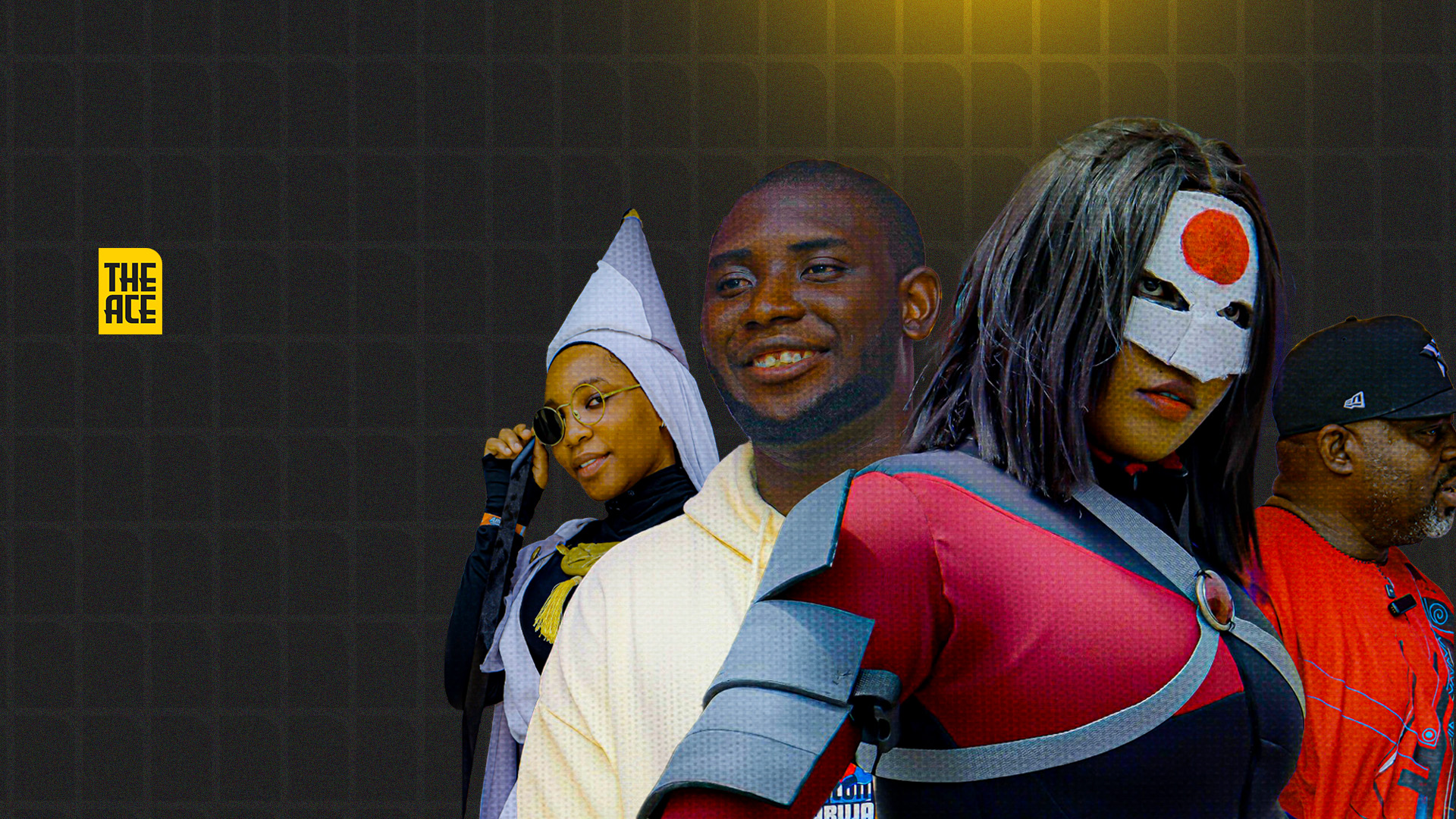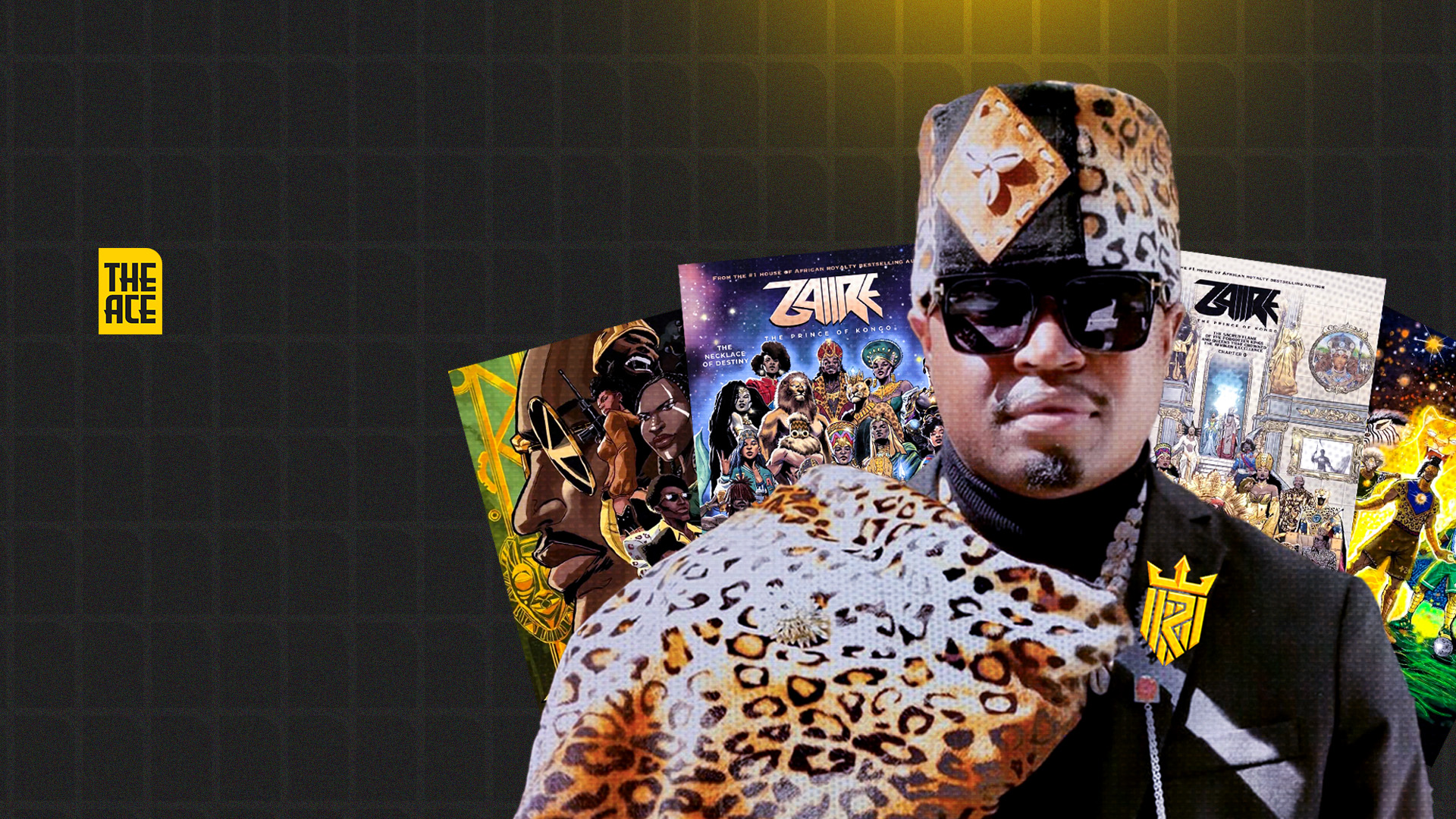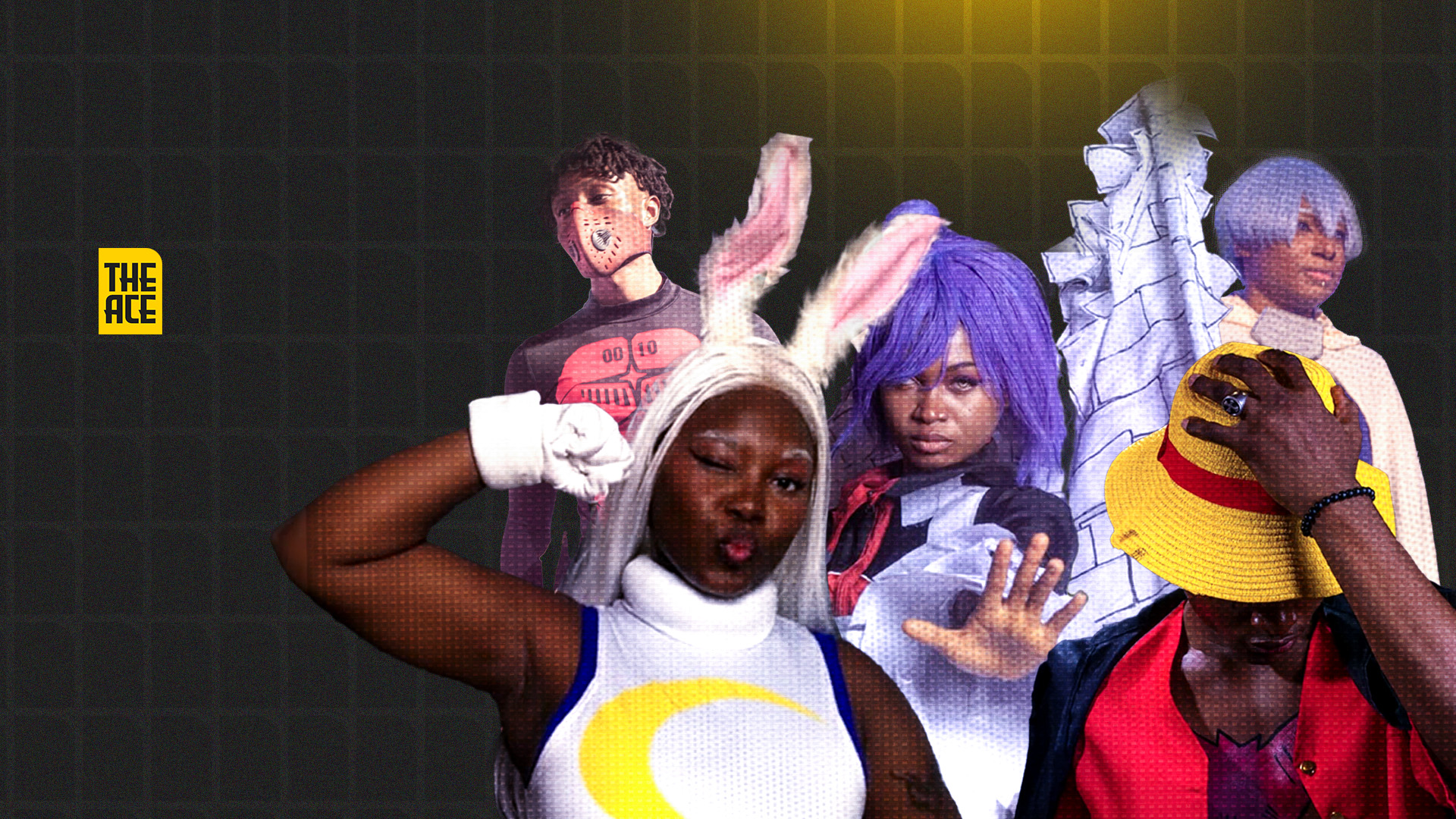
There is something disarming about a company that genuinely likes its fans. Not in the managed, PR-approved sense of scheduled appreciation posts and discount codes, but in the way Comic Republic showed up on Saturday, 6th June 2026, pulling 20+ people into a private virtual room, handing the floor to a creator mid-session, and making announcements that had not appeared anywhere else. No press release preceded it. No social media countdown. Just an invitation to the people who had been paying attention longest, and a conversation that felt, for sixty minutes, like being let in on something.
Here is what came out of it.
1. They Are Building an Online Academy
This was the headline buried at the end of the session, tucked inside a Q&A exchange that could easily have passed without much notice. Our founder, Mujeeb, who was one of the attendees, asked whether Comic Republic had considered an incubation-style programme, something that could help aspiring creators build investment-ready creative businesses. Jide Martin, the company’s CEO, did not hedge.
An online school is already in development. It will teach professional skills in the comics and animation field. It is being built in partnership with external organisations whose names Martin was not yet ready to disclose. And it is targeted to go live before the end of 2026.
The significance of this is worth sitting with. Comic Republic has, for over a decade, operated as proof that an indigenous African comics studio could be built, sustained, and taken seriously on a global stage. An online school extends that proof of concept outward, from what Comic Republic has built for itself to what it might help others build. Martin’s framing was deliberate: rather than a physical space, the school would be digital, accessible, structured for anyone serious enough to show up.
For a company that has quietly become one of Nigeria’s most ambitious creative institutions, an academy is a natural next step. It is also, as of this writing, something most people do not know is coming.
2. Trials of the Spear is in Japan with the One Piece Production Team
By the time of the hangout, the broad strokes of this partnership had already been made public. What had not quite landed, at least not in the way it deserves to, is what this collaboration actually represents.
Comic Republic’s animation arm, CR Motion Plus, is producing an animated feature adaptation of Trials of the Spear, the acclaimed graphic novel following Dayo Darawu, an outcast who must face ancestral trials to defend his people. The story is rooted in Nigerian mythology and set against the vivid backdrop of Lagos. That much was announced late last year. But the details of who is involved tell a more compelling story.
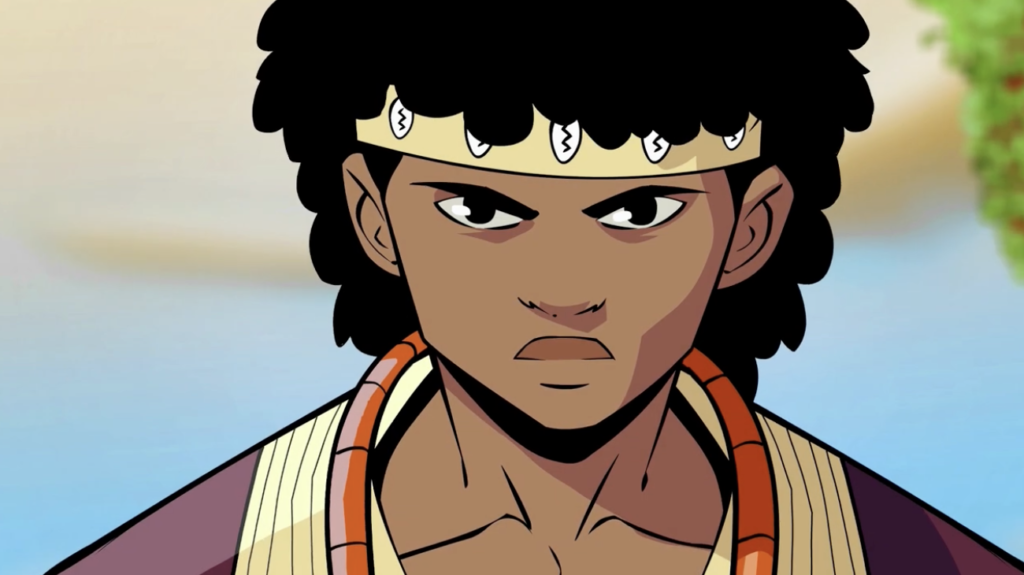
The project, operating under the codename TAIDO, is a partnership between CR Motion Plus, Arc and Beyond, the Japan External Trade Organisation (JETRO), and Megumi Okawa, a freelance production manager who has been working on One Piece since 2023. The target is a global release in spring 2026. What Comic Republic is building here is not simply an animated film; it is a pipeline between African storytelling and Japanese animation craft, at a level of institutional seriousness that very few people on the continent have managed to reach.
For context, it is worth noting why non-Vanguard properties like Trials of the Spear are currently at the centre of Comic Republic’s animation push. The company’s Vanguard universe — its most prominent superhero catalogue- is the subject of a live-action development deal with Universal Content Productions, a division of Universal Studio Group. Under that arrangement, screen adaptations of Vanguard characters require Universal’s explicit permission before they can be released. Comic Republic retains full ownership of the IP, and the comics continue to be published without restriction. But when it comes to animation and live action, the Vanguard titles are in a holding pattern that is entirely Hollywood’s making, not the studio’s. In the meantime, non-Vanguard titles are moving, and Trials of the Spear, it turns out, is moving faster and further than most people realised.
3. Their Most Dedicated Fans Just Got a Quiet Upgrade
The VIP programme announced during the hangout was framed warmly, as a thank-you to the 28 people in the room. But the substance of what is being offered is more considered than a simple gesture of appreciation.
Attendees will receive free premium subscriptions to all Comic Republic sites, full, unrestricted access to the entire catalogue, at no cost. They will be brought into quarterly private hangouts, some of which may take place in person. They will be given official collaborator status, meaning direct opportunities to work alongside the team on publicity campaigns and upcoming releases. And they will receive what the company is calling a digital fan kit: a season-specific package drawn from the studio’s internal design vault, containing PNG character assets, 360-degree character turnarounds, official logos, text-free posters, and toolkit templates built specifically for TikTok, YouTube, and fan art creation.
That last element is the one worth paying attention to. Comic Republic is not simply giving fans access to finished assets; it is giving them the same materials the design team uses, early enough to be useful. For a community that has already built YouTube channels, fan art archives, and dedicated social media presences around this brand, that is a meaningful shift. It turns the most committed fans into something closer to unofficial creative partners, and it does so with the kind of practical support, actual files, actual tools, that makes the difference between good intentions and genuine collaboration.
4. Santanaman Started as an Inside Joke
Every so often, a comic comes along that does not fit neatly into any existing category, and the story of how it came to exist turns out to be as idiosyncratic as the work itself. Santana Man is one of those comics, and creator David Aiguoba is one of those creators.
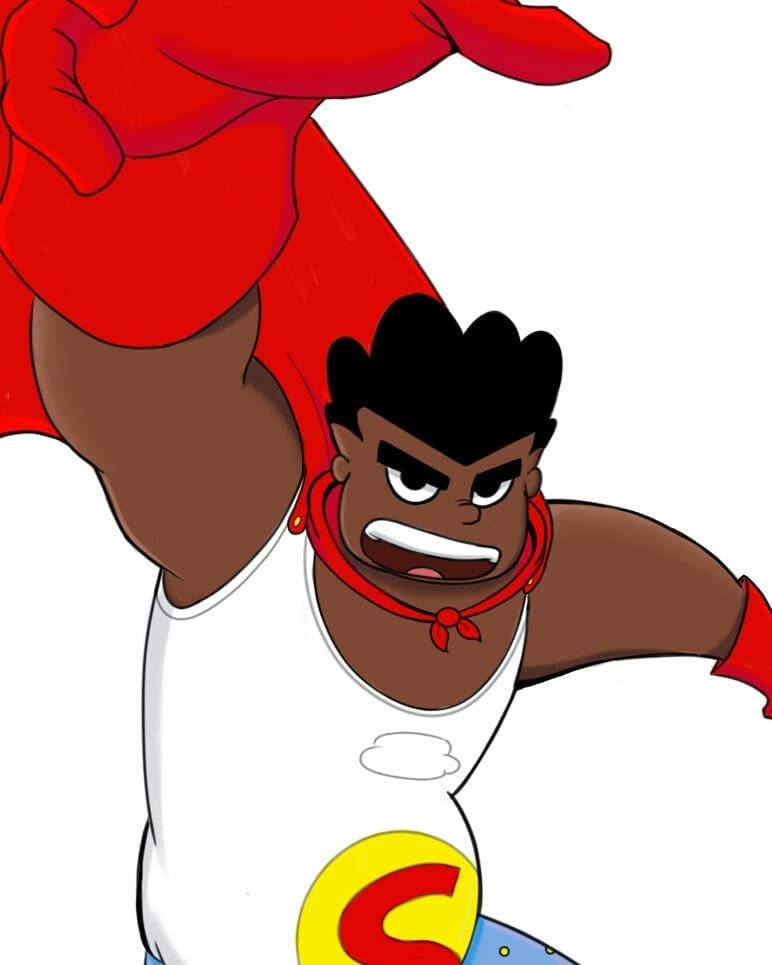
It started, as the best things sometimes do, with an inside joke. Aiguoba and his friends had a running gag that eventually found its way onto the page, first as a prose chapter written around 2018, then as a drawn comic with supporting characters modelled directly on members of that same social circle. The friend at the centre of the original joke was, initially, not amused. He resisted the idea enough that Aiguoba changed the character’s name to avoid offending. The same friend, Aiguoba noted with visible amusement during the session, is now fully on board and actively asking about publicity timelines and release dates.
The comic itself sits in a register that is genuinely difficult to find elsewhere in the Nigerian comics landscape. It runs on a comedic, episodic “villain-of-the-week” format, with a narrator who functions almost as a character, playful, investigative, rooted in a voice that is recognisably and specifically Nigerian. Aiguoba cited stylistic inspiration from authors who use that kind of probing, grounded narration to shape tone, though he was characteristically understated about the influences. The main character, for what it is worth, has no specific canonical weakness, beyond, as Aiguoba put it, a lack of Santana.
The visual choice that most immediately sets it apart is the black-and-white rendering, a deliberate decision, not a production limitation. It is an homage to classic Nigerian newspaper comics, blended with manga influences, and it gives Santana Man a personality that stops you mid-scroll in a way that full-colour work rarely manages. “It’s a breath of fresh air,” the host observed at the close of the segment. “You’re like, what is this?”
As the narrative develops, Aiguoba intends to retain the comedy while introducing higher stakes and more drama. The episodic format will hold, but the world is going to get bigger.
5. The Fans in That Room Were Not Casual
Before any of the announcements were made, before the trivia began, before David Aiguoba talked about inside jokes and black-and-white art choices, the session did something quietly remarkable: it let the fans introduce themselves.
What came out of those introductions was not a collection of enthusiastic admirers. It was a portrait of a community that had, largely without prompting, built an entire support ecosystem around a brand it believed in before that belief was widely shared.
Ademola Adefisan discovered Comic Republic through a notebook company that printed comic panels on their covers, a detail that says everything about how far the studio’s visual identity had already travelled before most people were paying attention. That early encounter sent him down a path that eventually led to him building one of the largest Comic Republic fan channels on YouTube, dedicated entirely to character breakdowns, story theories, platform tutorials, and comprehensive reviews. He was invited to this hangout specifically because of that channel.
Isaac Onyeukwu heard about the brand through a Facebook forum in 2016 and met the team in person at Lagos Comic Con in 2017. He still has the photograph. A decade later, he is still here, still creating fan art, still paying attention.
Mokorede Adelana found Comic Republic through her younger sister, drawn in by the promise of something homemade, comics that looked and felt like they belonged to the world she actually lived in. She has since become known to the Comic Republic team for her dedicated fan art of Guardian Prime.
These are not peripheral figures in Comic Republic’s story. They are, in a very real sense, the reason the story has continued. They were the ones sharing, creating, and advocating when the audience was still small — and they are still doing it now. Saturday’s hangout was, at least in part, Comic Republic acknowledging that debt out loud.
What Saturday Was Really About
Sixty minutes is not a long time. But the Comic Republic VIP hangout covered more ground than most formal press events manage in twice that duration, and it did so with a warmth and candour that formal press events rarely permit.
The online academy, the Japan partnership, the fan programme, the creator stories, and the community that built itself: taken together, these are not isolated announcements. They are the outlines of a company that is actively thinking about its next decade, not just what it makes, but who it makes it with, who it trains, and who it brings along for the journey.
The 20+ people in that virtual room on Saturday got a glimpse of that. The rest of us are catching up.
--------------------------------------------------------
--------------------------------------------------------
AI Use at TheACE
TheACE uses artificial intelligence tools to support research, drafting and analysis across Africa’s creative industries. All content is verified, edited and approved by our human editorial team to ensure accuracy, clarity and responsible storytelling. AI assists our work; it does not replace human judgment.