
Most African creatives don’t struggle because they lack talent. They struggle because they are not positioned in a way that makes their work legible to funders, investors, and institutional programmes.
Funding systems, whether grants, accelerators, or public innovation initiatives, do not primarily evaluate creativity in isolation. They are evaluating clarity of problem definition, scalability of the solution, evidence of traction, and the logic of sustainability. In other words, they are asking whether an idea can become a system.
Our founder went all in, so this article can use his application to the iDICE Founders Lab as a case study for how African creatives can better position themselves for funding. The goal is not to present the application as exceptional, but to use it as a real-time example of how funding logic actually works when translated into structured responses.
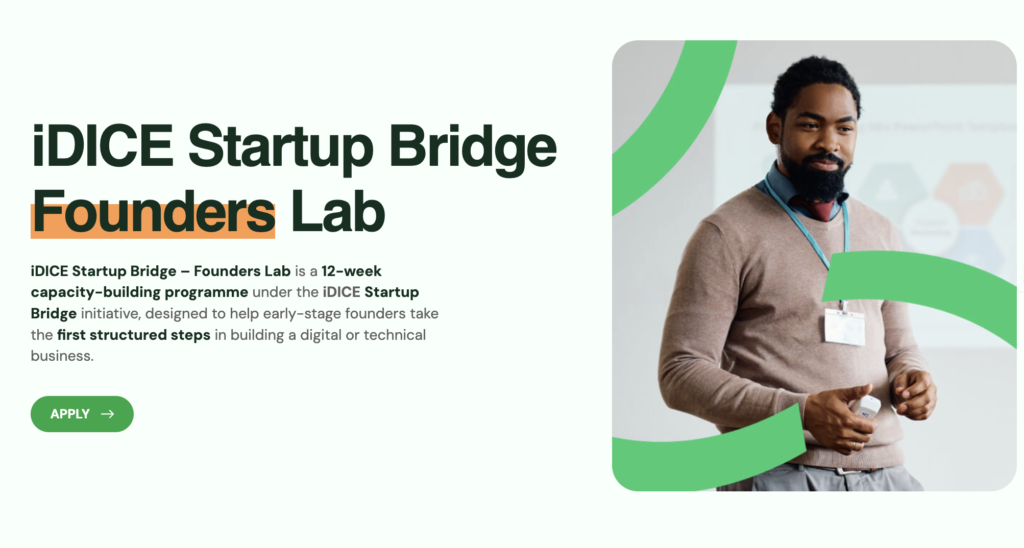
Understanding what funding programmes are actually evaluating
Most applicants assume the central question is “What are you building?” In reality, programmes like iDICE Founders Lab are designed to evaluate something more specific: whether a creative idea can evolve into a scalable, economically relevant venture within the digital and innovation economy.
The iDICE Startup initiative exists within a broader national and development context aimed at strengthening Nigeria’s digital and creative enterprise ecosystem. That means applications are not just judged on artistic merit, but on whether they demonstrate potential for job creation, industry structure, market expansion, and long-term sustainability.
From this perspective, the first major positioning mistake creatives make is treating their idea as a creative expression rather than a response to a structural gap.
In the case of TheACE, the problem being addressed is not simply the lack of content about African comics and animation. It is the absence of structured visibility, credible documentation, and accessible industry intelligence. This gap limits discoverability for creators, weakens investor confidence, and prevents the ecosystem from being understood as a coherent market.
Once this is clearly articulated, the solution is no longer “we produce media content.” It becomes something more systemic.
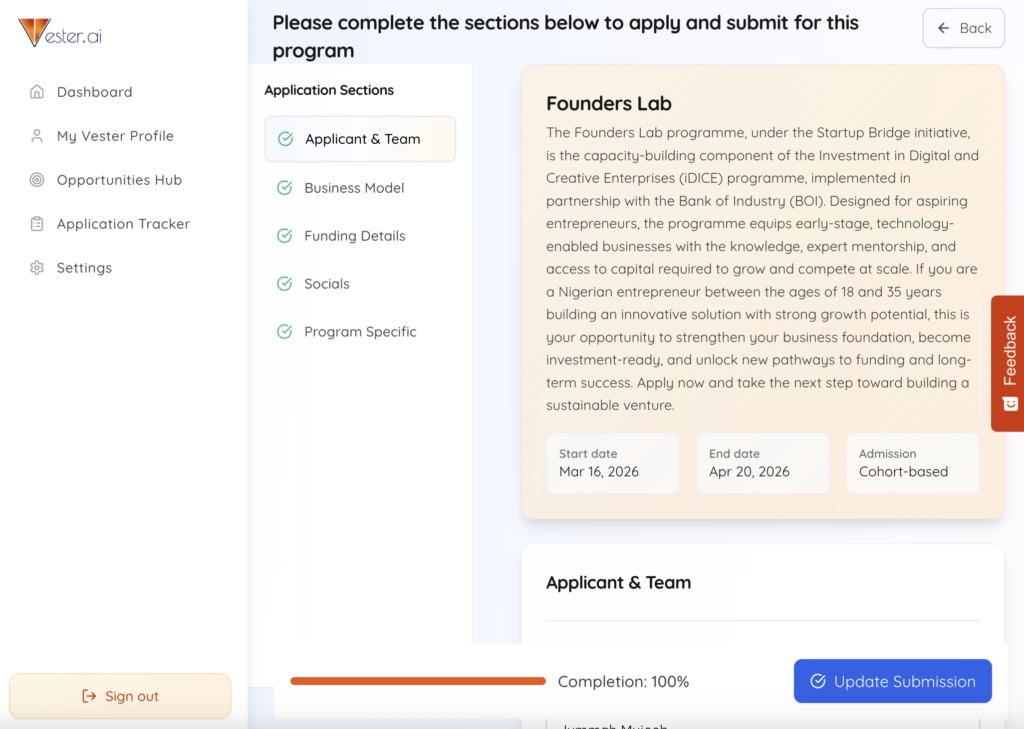
Framing a solution as a system, not an activity
One of the most important shifts in positioning is moving from describing what you do to describing what your system enables.
In the application, TheACE is framed across three interconnected layers that function together rather than as isolated outputs.
The first layer is media, which focuses on consistent storytelling, editorial coverage, interviews, and documentation of the African comic and animation ecosystem. This layer solves the visibility problem by ensuring that creative work is not only produced but actively surfaced and contextualised.
The second layer is intelligence, which transforms industry activity into structured insights that can be understood by stakeholders beyond the creative space. This includes investors, policymakers, cultural institutions, and brands who require clarity before engagement. Without this layer, the ecosystem remains culturally rich but economically fragmented.
The third layer is infrastructure, which focuses on building a centralised knowledge system for African comics and animation. This is not just a content archive, but an evolving database designed to improve discoverability, credibility, and long-term accessibility of industry information, including potential integration with search systems and AI-driven discovery tools.
Together, these layers reposition the work from content production to ecosystem infrastructure.
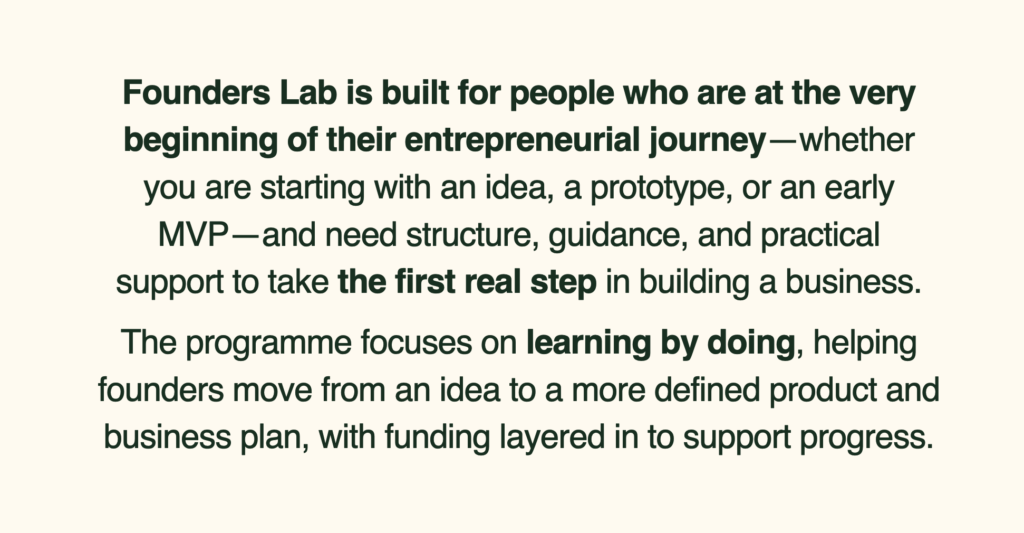
Traction is progression, not just numbers
A common misunderstanding in funding applications is the assumption that traction is defined only by scale. In reality, what matters more is progression over time.
In this case, traction is demonstrated through the evolution from audience building to ecosystem engagement, then to early monetisation, and now toward structured product development.
This includes a growing digital presence across multiple African markets, consistent engagement across content formats, and the establishment of partnerships with key ecosystem players such as comic conventions, animation events, and cultural platforms. It also includes early revenue experimentation through visibility services and intelligence-based offerings, alongside the development of an emerging digital library system.
What matters here is not any single metric, but the directional movement from attention to infrastructure.
Building a business model that reflects evolution
Another key lesson from the application process is that funding bodies respond more strongly to business models that show evolution rather than static monetisation ideas.
In the current structure, TheACE operates with immediate revenue streams built around visibility services and intelligence offerings. These are designed to validate demand within the ecosystem while generating early cash flow.
In the near term, this expands into sponsored content, brand partnerships, and ecosystem-driven media collaborations. In the long term, the model evolves toward subscription-based access, premium intelligence products, and structured data services built on the growing knowledge base.
This layered approach signals that the business is not dependent on a single income source, but is intentionally designed to transition from service-based revenue to platform-based scalability.

What this process reveals about African creative funding
The most important insight from engaging with structured funding applications like iDICE Founders Lab is that most rejections are not about weak ideas. They are about weak positioning.
Successful applications consistently demonstrate three things: a clearly defined problem with economic implications, a solution framed as a scalable system, and evidence of progression rather than isolated activity.
Once these elements are understood, the application process stops being an exercise in persuasion and becomes an exercise in clarity.
Closing reflection
Africa’s creative industries are not lacking in talent. They are lacking in structured visibility, credible documentation, and accessible intelligence systems that allow creativity to be understood as an economic sector. How creatives describe their work directly influences how it is valued. This is not a communication issue alone. It is an ecosystem development issue. That is why positioning matters.
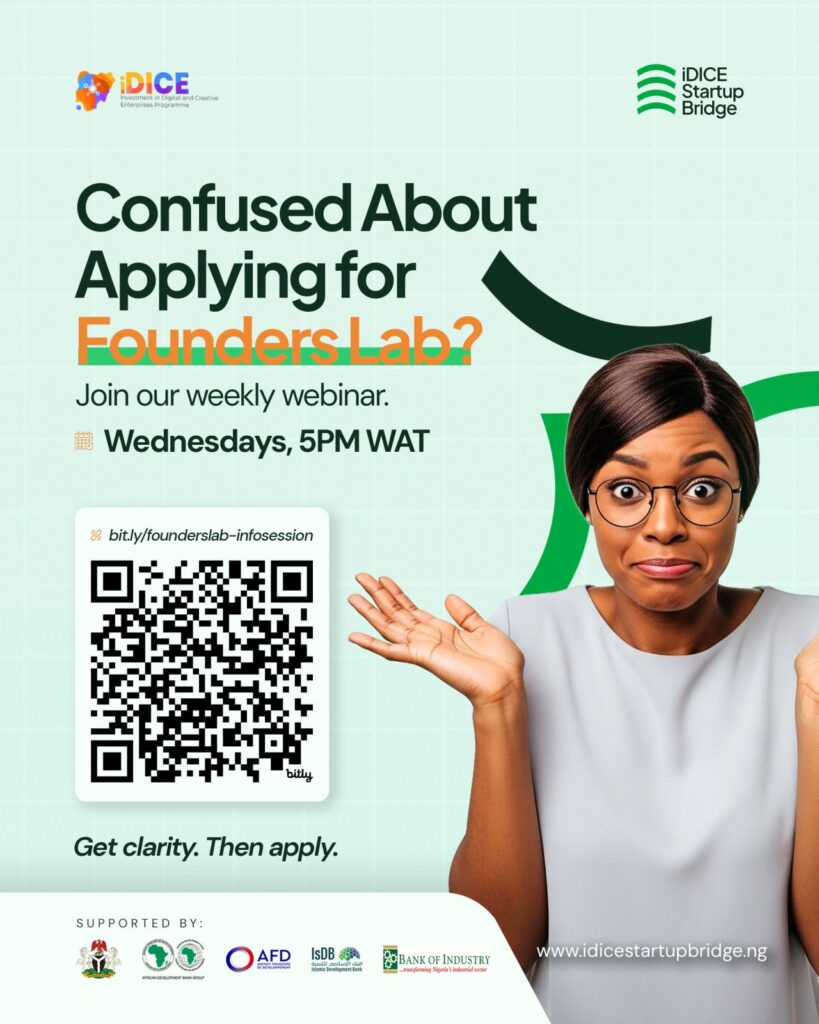
If you are an African creative, founder, or builder within the digital or creative economy, the iDICE Founders Lab represents one of the structured pathways designed to support scalable ideas in this space.
You can learn more about the programme and its objectives through the official platform and explore the Founders Lab specifically.
There is also an ongoing information session designed to guide potential applicants through the programme expectations and structure. Attending this session will give you clearer insight into what evaluators are actually looking for and how to position your application effectively.
If you are considering applying, do not approach it as a form to fill. Approach it as a framework to clarify how your idea fits into a broader economic and ecosystem logic. Because in most cases, the difference between being overlooked and being selected is not the strength of the idea. It is the clarity of its positioning.
--------------------------------------------------------
--------------------------------------------------------
AI Use at TheACE
TheACE uses artificial intelligence tools to support research, drafting and analysis across Africa’s creative industries. All content is verified, edited and approved by our human editorial team to ensure accuracy, clarity and responsible storytelling. AI assists our work; it does not replace human judgment.