Whoever shapes the stories children watch today helps shape the society they build tomorrow. It is a simple idea that has influenced nations, industries, and cultures for decades. Children’s entertainment has never been just entertainment. Hidden within cartoons, animated adventures, and colourful characters are lessons about identity, belonging, language, values, humour, and history.
That is why the rise of African children’s animation deserves serious attention. For years, many African children grew up consuming stories made elsewhere, watching animated worlds built in America, Europe, and Asia, and learning characters, songs, and cultural references that did not always reflect the rhythm of their own lives. There is nothing wrong with great stories travelling across borders, because they always have. But the absence of animated stories that reflected African children back to themselves created a gap that was difficult to ignore.
That gap is now beginning to close.
Across Nigeria and other parts of the continent, creators are making children’s animation that is educational, culturally grounded, visually ambitious, and proudly African. Some of these series teach history and heritage through playful storytelling. Some focus on everyday humour and local life. Others are built around early childhood education, character development, and representation. Taken together, they point to a growing ecosystem of African childhood storytelling.
A New Library for African Childhood
The global children’s animation space is dominated by a familiar set of names. Cocomelon, Peppa Pig, Paw Patrol, Bluey, and other international franchises. They became household staples because they understood that children’s media is one of the earliest and most effective ways to build emotional connection, habits, and familiarity. Long before children understand politics, economics, or national identity, they understand stories. They remember characters. They repeat songs. They imitate voices. They absorb values without realising it. African creators are beginning to take that reality seriously.
The significance of this is that African studios are making cartoons designed to speak directly to African children. That means familiar settings, recognisable languages, local humour, and cultural details that make the stories feel rooted rather than imported. It means children can grow up seeing versions of themselves on screen without having to translate their lives into someone else’s world.
This shift is visible in a growing number of Nigerian productions that are now helping define what African children’s animation can look like.
OmoBerry and the Power of Representation
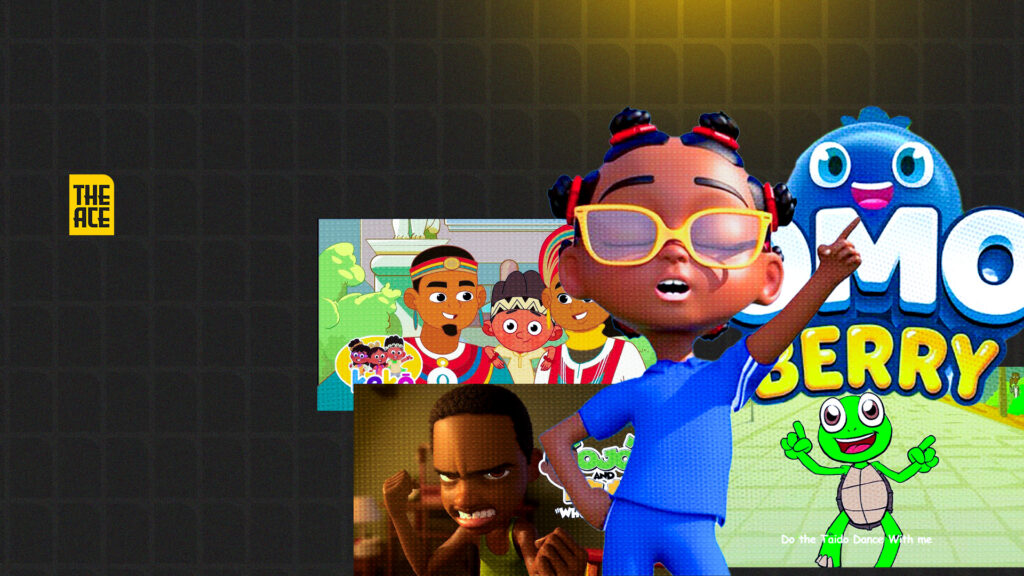
Few series capture the ambition of this new wave better than OmoBerry. Created by Limitless Studios in Nigeria, who saw a gap in the market of representation and responded by building a series that combines high-quality 3D animation, original music, and inclusive storytelling aimed at young audiences.
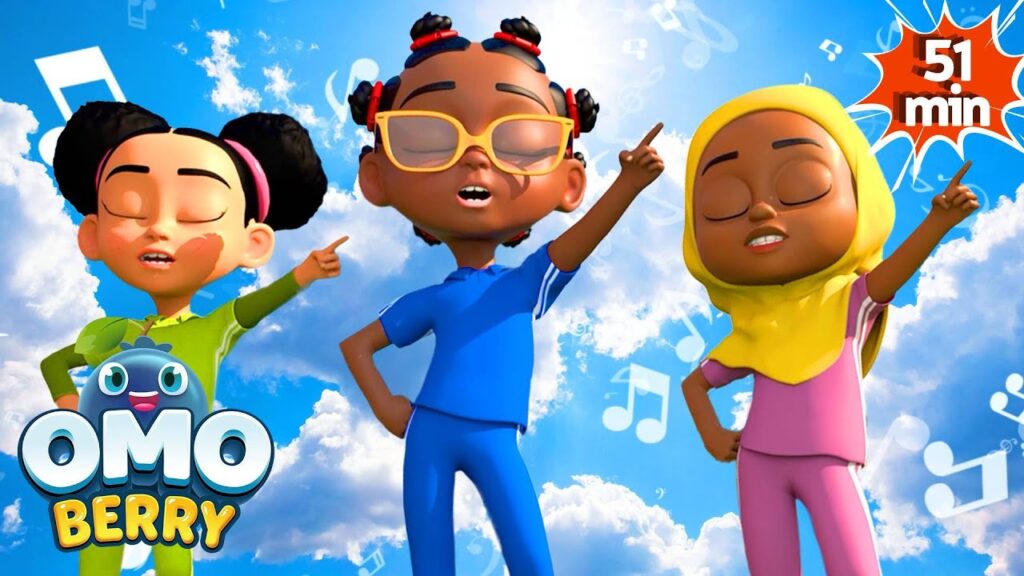
OmoBerry was built on local identity. The characters, visuals, and overall tone are shaped by a desire to create something that African children can recognise as their own. The creators understood that representation in children’s animation is not only about skin tone or geography alone. It is also about familiarity that allows young viewers to see their food, voices, families, and routines normalised and celebrated on screen.
That is part of why OmoBerry has resonated so strongly. Its growth has shown that there is a real audience for African-centred children’s content, both within the continent and across the diaspora. It also challenges the assumption that African children’s animation cannot stand alongside international productions. The quality conversation is changing, and OmoBerry is part of that shift.
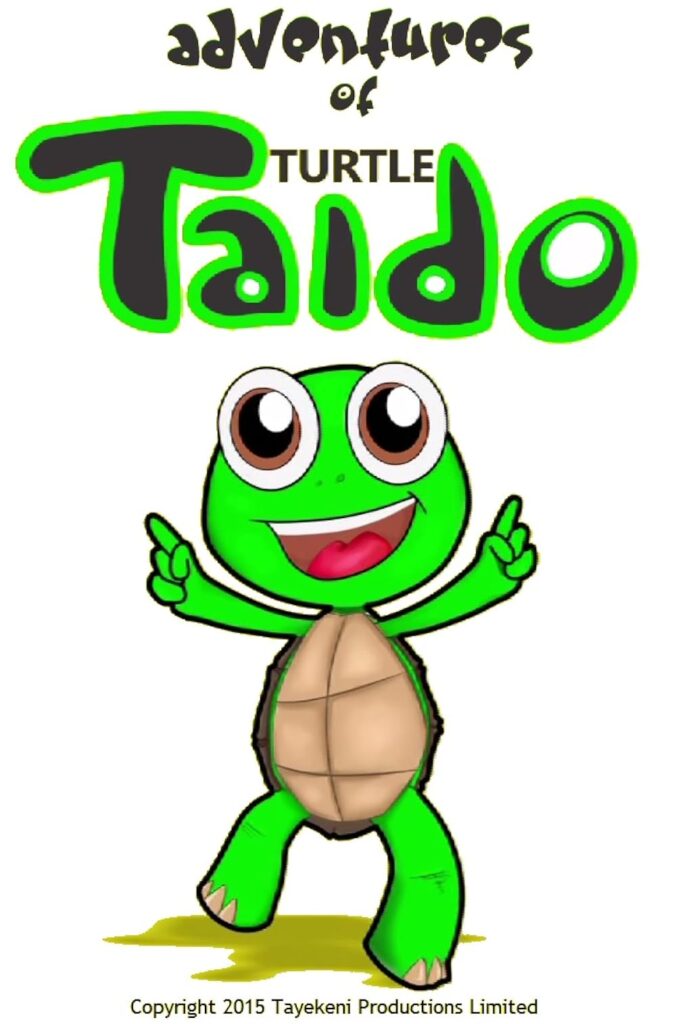
Turtle Taido and the Value of Learning Through Adventure
If OmoBerry represents polish and modern production value, Turtle Taido represents the educational spirit of this movement.
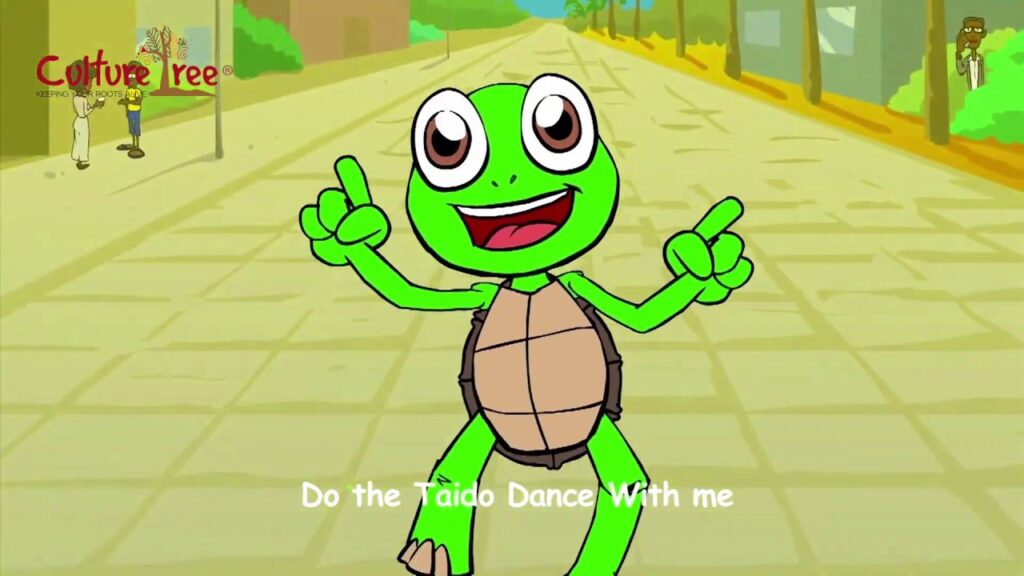
Created by Muyiwa Kayode, the series follows a cheerful turtle on adventures that introduce children to different places, cultures, and experiences. At its core, Turtle Taido is built around curiosity. It uses entertainment as a gateway into learning, turning cultural exploration into a playful journey rather than a formal lesson.
That is one of the things that makes the show so effective. Too often, children’s educational content can feel stiff or overly didactic, as though the lesson matters more than the story. Turtle Taido avoids that trap by making discovery feel natural. Children are invited to travel with the character, learn with him, and enjoy the process rather than simply receive information.
The deeper value of the series lies in the way it presents cultural diversity. It encourages children to understand that difference is not something to fear, but something to explore. It also reinforces the idea that learning about other people and other places can begin very early, through stories that are warm, funny, and memorable.
Keko Africa and the Reclaiming of History
Keko Africa, produced by Smids Animation, brings another important dimension to the conversation. While some children’s series focus primarily on adventure or character-driven storytelling, Keko Africa leans into history, heritage, and cultural pride.
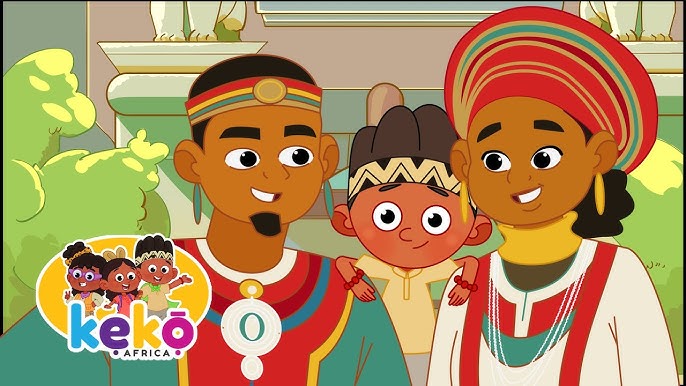
Its purpose is clear: to help children learn about African history, heroes, and traditions through animated stories that feel engaging rather than instructional. That balance is difficult to achieve, but it is necessary. Because, according to the producers, for too long, African history in children’s media was either absent or presented through frameworks that did not centre African experience. Keko Africa pushes back against that by making African identity the foundation of the story rather than the background.
This kind of work matters because children not only need stories they enjoy. They also need stories that help them understand where they come from. Animation can do that in ways school textbooks often cannot. It can make historical figures feel alive, cultural traditions feel accessible, and abstract ideas feel emotionally real.
Damilola Solesi and the team behind Smids Animation have consistently argued that African children should see themselves as heroes in their own stories. Keko Africa reflects that philosophy clearly. It does not ask whether African history is entertaining enough for children. It assumes that it is and then proves it through execution.
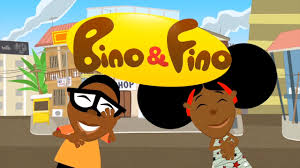
Bino & Fino and the Joy of African Heritage
Another important title in this space is Bino & Fino, one of the more recognisable African children’s animation projects built around cultural learning and heritage.
What makes Bino & Fino stand out is the way it treats African identity as something joyful and natural for children to explore. Rather than presenting culture as something distant, abstract, or strictly academic, it makes African heritage feel playful, colourful, and alive. That is no small achievement. In children’s media, tone matters as much as content, and Bino & Fino understands that learning is easier when it is tied to delight.
Ojo and Ebuka and the Comedy of the Everyday
Not every important children’s animated series needs to be heavy with education or heritage messaging. Some of the most valuable productions in any growing ecosystem are the ones that simply make everyday life feel funny, familiar, and worth watching.
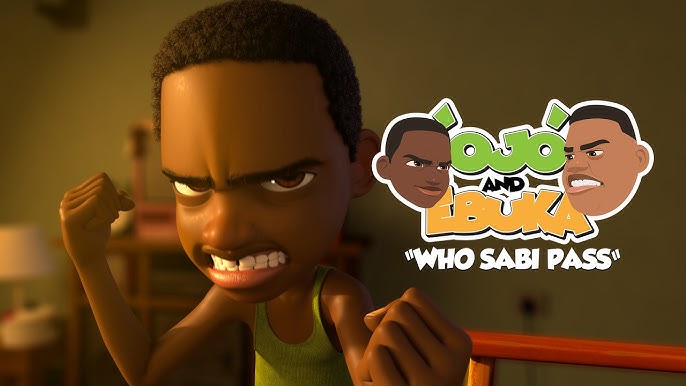
That is where newer Nigerian animated comedies, such as Ojo & Ebuka, become important. These types of projects may not yet have the broad reach or brand recognition of some of the better-known titles, but they are still part of the same cultural shift. They demonstrate that African children’s animation can be shaped around local humour, ordinary family life, and the rhythms of everyday experience.
Children remember stories that feel close to home. They remember characters who sound like people they know, laugh like people they know, and move through worlds that resemble their own. By building animation around those details, creators are expanding what African childhood can look and sound like on screen.
Why This Movement Matters and the Bigger Opportunity Ahead
Taken individually, these shows may appear to be separate creative efforts produced by different studios with different goals. Viewed together, however, they reveal the outline of a much larger ecosystem.
Some of the series focus on education. Some focus on representation. Some focus on history. Some focus on humour. Some focus on early childhood learning. But all of them are contributing to the same long-term project: building an African library of stories for children.
That matters because children’s animation is never just about keeping young viewers occupied. It is one of the most powerful forms of soft power in the world. The most successful children’s franchises do not simply attract attention. They build emotional loyalty, generate merchandise, influence language, shape habits, and create cultural memory that can last for generations.
That is why African children’s animation should not be dismissed as a niche creative trend. It must be taken as part of a larger cultural and economic transformation. When African studios create characters that can live across screens, books, games, classrooms, and merchandise, they are building intellectual property. They are also building an industry around that property. Over time, that can create jobs for writers, animators, voice actors, illustrators, sound designers, marketers, educators, and developers.
Additionally, what is happening now is still early, but promising. Nigeria and other African countries are beginning to produce a body of children’s animation that reflects the continent more honestly and more ambitiously than before. That alone is worth noting. But the deeper value is in what these stories may become over time.
If this ecosystem continues to grow, future generations of African children may inherit a strong archive of animated stories that feel culturally familiar, visually compelling, and proudly their own. That would not only be a win for memory, identity, and imagination. And perhaps that is the most important point of all.
Written by Nehemiah Osarodion
--------------------------------------------------------
--------------------------------------------------------
AI Use at TheACE
TheACE uses artificial intelligence tools to support research, drafting and analysis across Africa’s creative industries. All content is verified, edited and approved by our human editorial team to ensure accuracy, clarity and responsible storytelling. AI assists our work; it does not replace human judgment.