MYTH TO MARKET | Episode 02 by Nehemiah Osarodion
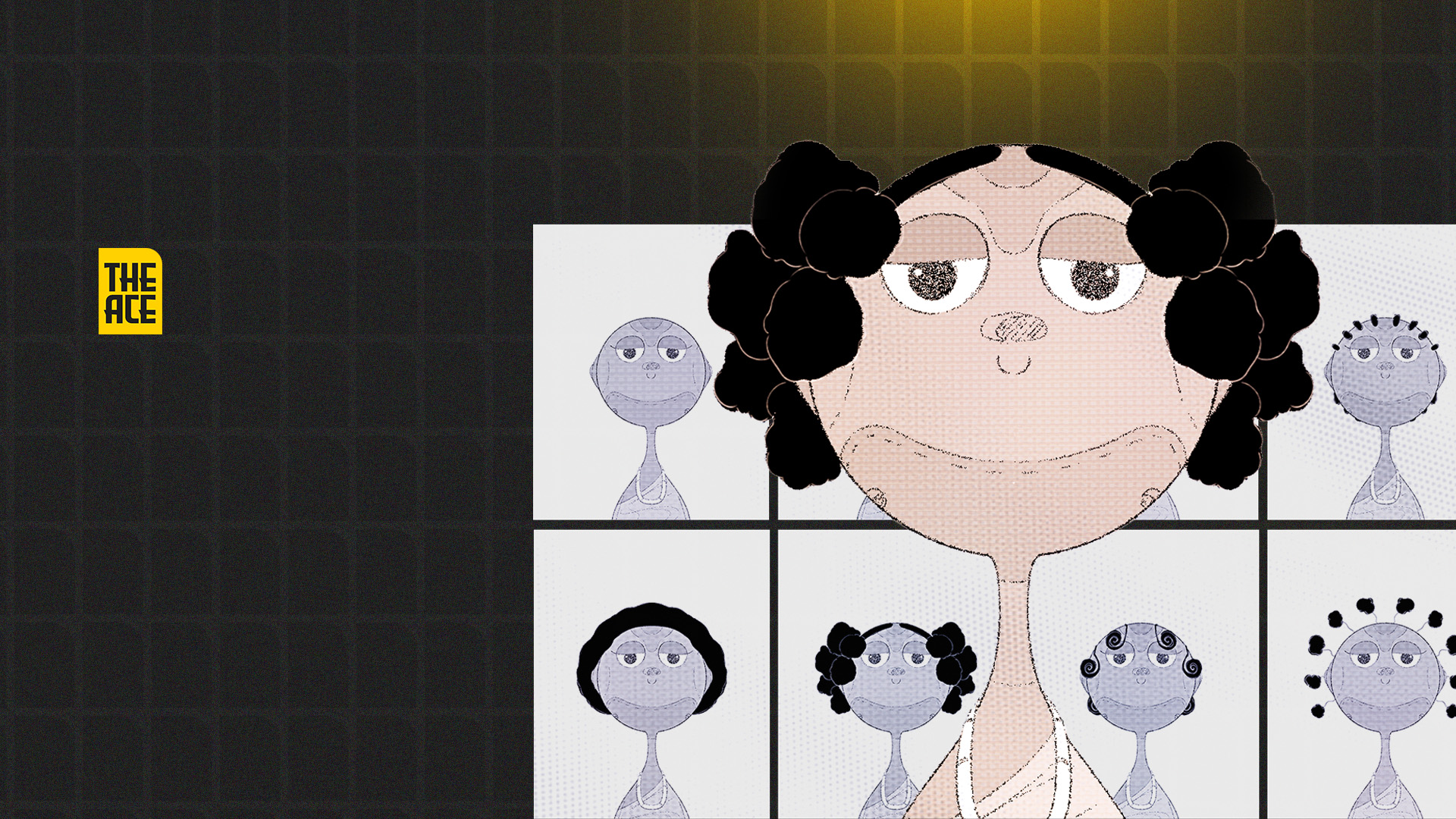
In our last episode, we explored Gaunab, the Khoekhoe Spirit of Death—a figure who reminded us that death was not merely an event, but something ancient enough to be imagined as a being that could walk among humanity, make bargains, and keep its word.
But every story about endings quietly asks another question: Where did beginnings come from? If death could be imagined as a force with a name and a face, then surely creation had its own story too.
Across Africa, different civilisations answered that question in different ways. Some spoke of gods, others of spirits. The ancient Egyptians, however, answered it with something far simpler… a stone..Yeah, I know, right.. A damn stone. Or perhaps, more accurately, the first emergence of ordered creation itself.
I could have taken the easy route and called it a magical artefact. Instead, I chose to follow the history. And the deeper I looked, the more fascinating it became.
Before there was Earth, there was Nun. In the creation theology of ancient Heliopolis, Nun represented the primordial waters that existed before the ordered world. There was no earth beneath the waters, no sky above them, no humans, and no gods walking among creation. There was only the limitless primordial deep.
From these waters emerged the primordial mound, the first solid ground in the emerging cosmos. This sacred mound became associated with the Benben, a sacred stone at the heart of the Heliopolitan creation tradition. Upon this first emergence stood Atum, the creator deity, from whom creation began to unfold.
Atum brought forth Shu, associated with air, and Tefnut, associated with moisture. From them came Geb, the earth, and Nut, the sky, whose descendants—Osiris, Isis, Seth, and Nephthys—would become the famous Ennead of Heliopolis.
The Benben was far more than simply a sacred stone. It represented the moment ordered existence emerged from the primordial waters. It became a symbol of creation, the rising sun, and the beginning of the cosmos itself. Its symbolism would later influence some of Egypt’s most recognisable monuments, with obelisks, pyramidion stones, and even the pyramids echoing the imagery of the sacred Benben.
Although the original Benben associated with Heliopolis has not survived as an intact artefact, its significance lives on through Egyptian religious traditions, surviving texts, monuments, and centuries of scholarship. That is perhaps what makes the Benben so remarkable. It was never revered because it granted extraordinary powers, but because it represented the beginning of creation itself.
And now we arrive at the most interesting part.
Every legend deserves another life.
So we ask one simple question…
What if?
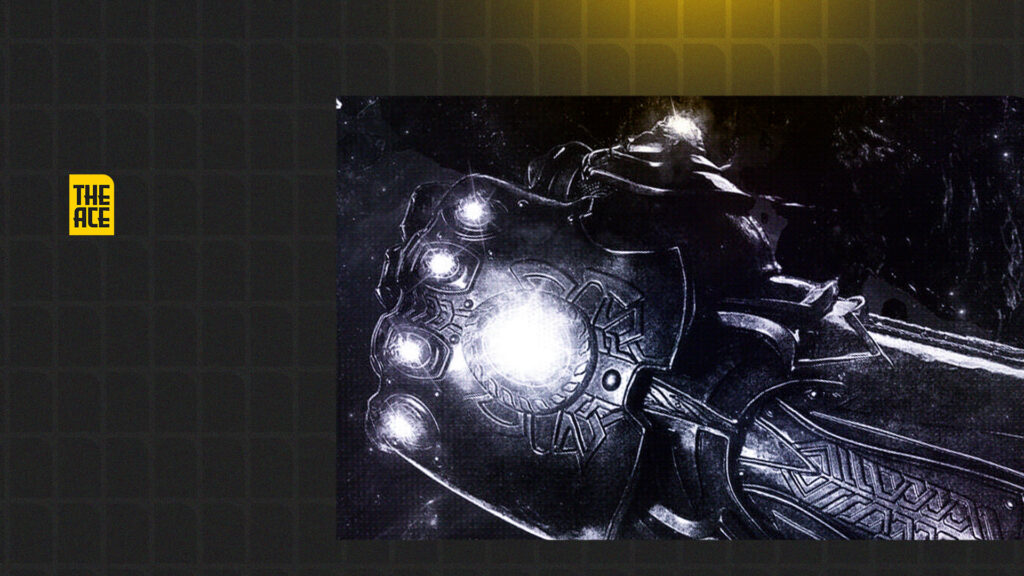
What if Gaunab…the Spirit of Death laid his hands on the very symbol of creation? What happens when the force that brings every ending comes into possession of the symbol from which every beginning emerged?
Welcome to Myth to Market.
——————————————————–
——————————————————–
A Note on Myth to Market
Myth to Market is an episodic-style feature story that draws attention to oral traditions and cultural heritage of their originating communities in Africa. They are retold in summary for research, education and discussion, not as complete narrative adaptations. All comparisons with characters from global comics and film are purely for editorial commentary and cultural discussion.
Side Note: Join our community to gain early access to more episodes of Myth to Market