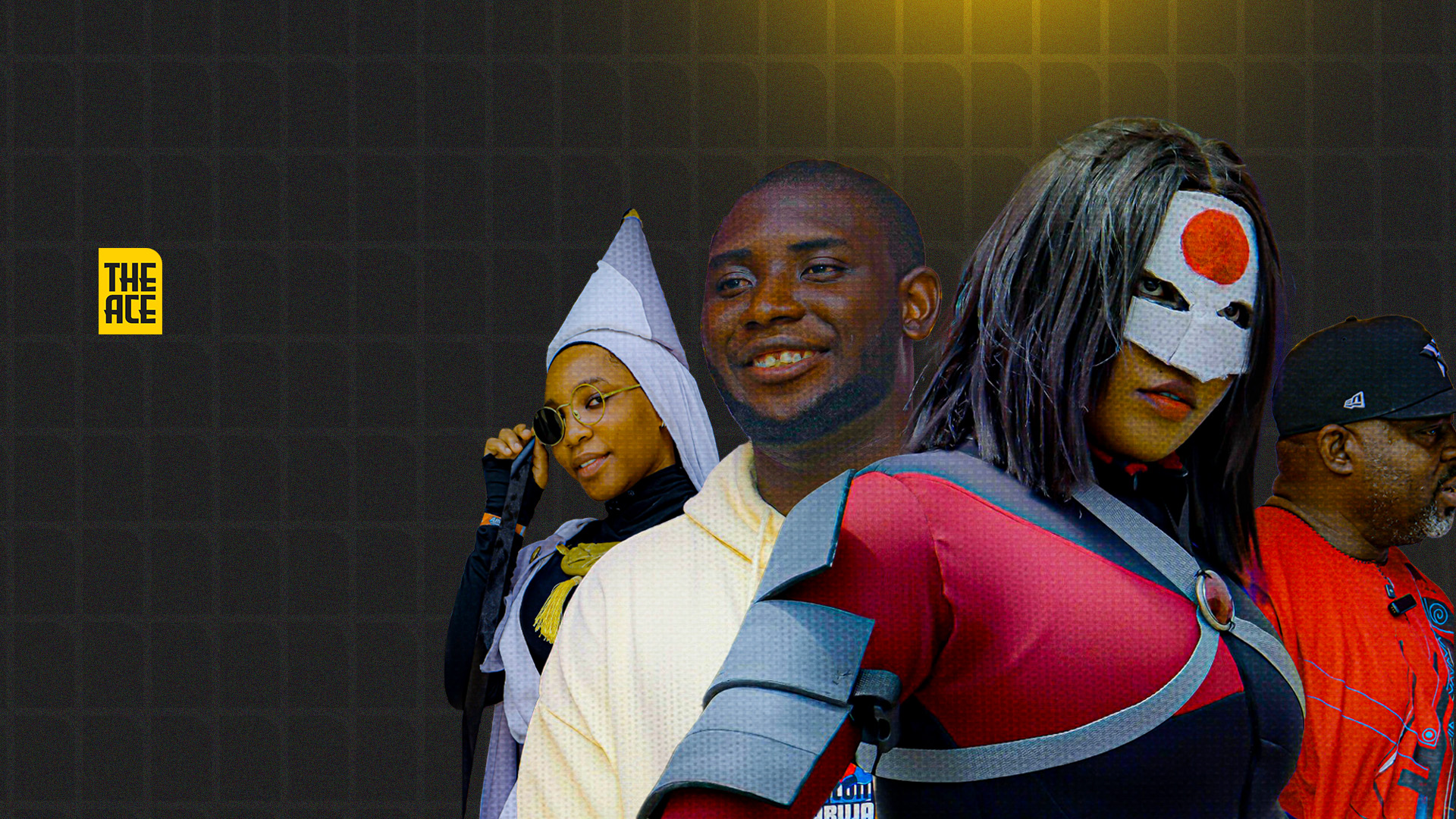
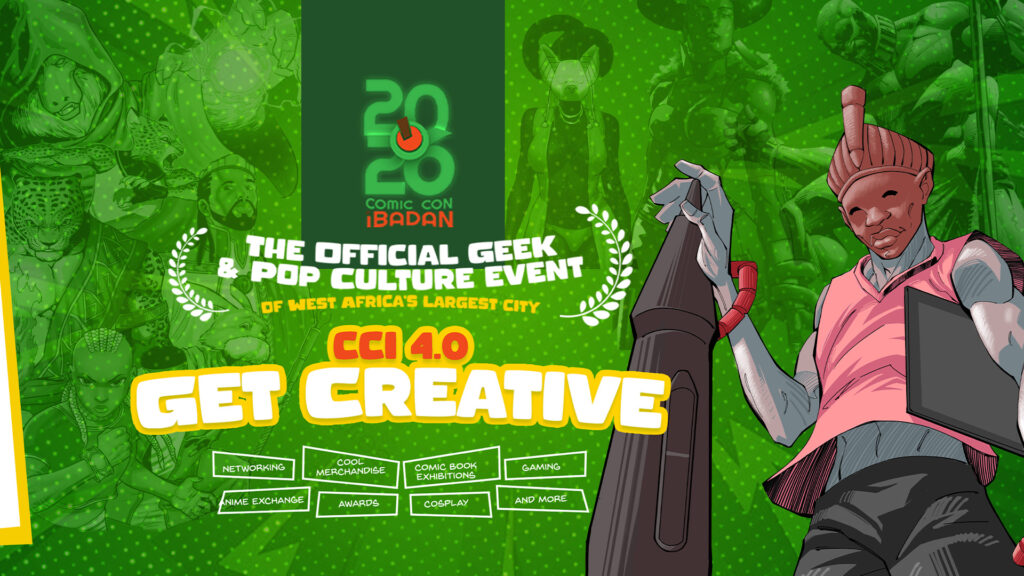
Comic Con Ibadan marked its fourth edition (CCI 4.0) on 27 June 2026, once again drawing creators, cosplayers and comic enthusiasts to Trenchard Hall, University of Ibadan. Four years in, the convention has become a fixture on Nigeria’s comics calendar, the one place where an entire year’s worth of Nigerian comic-making is assessed, awarded and put on display in a single afternoon.
The Good
The day’s programming gave attendees plenty to engage with beyond the awards stage. Toon Central ran a “Draw This In Your Style” (DTIYS) challenge, inviting up to twenty contestants to reinterpret a Toon Central character in their own style, with materials supplied by Davori and winners hand-picked on the day. Precious Ekeh took first place, followed by Niniola Anike and an entrant known as “The Oracle.” Toon Central later described the turnout at their booth as one of the highlights of their year and teased more community-focused content ahead.
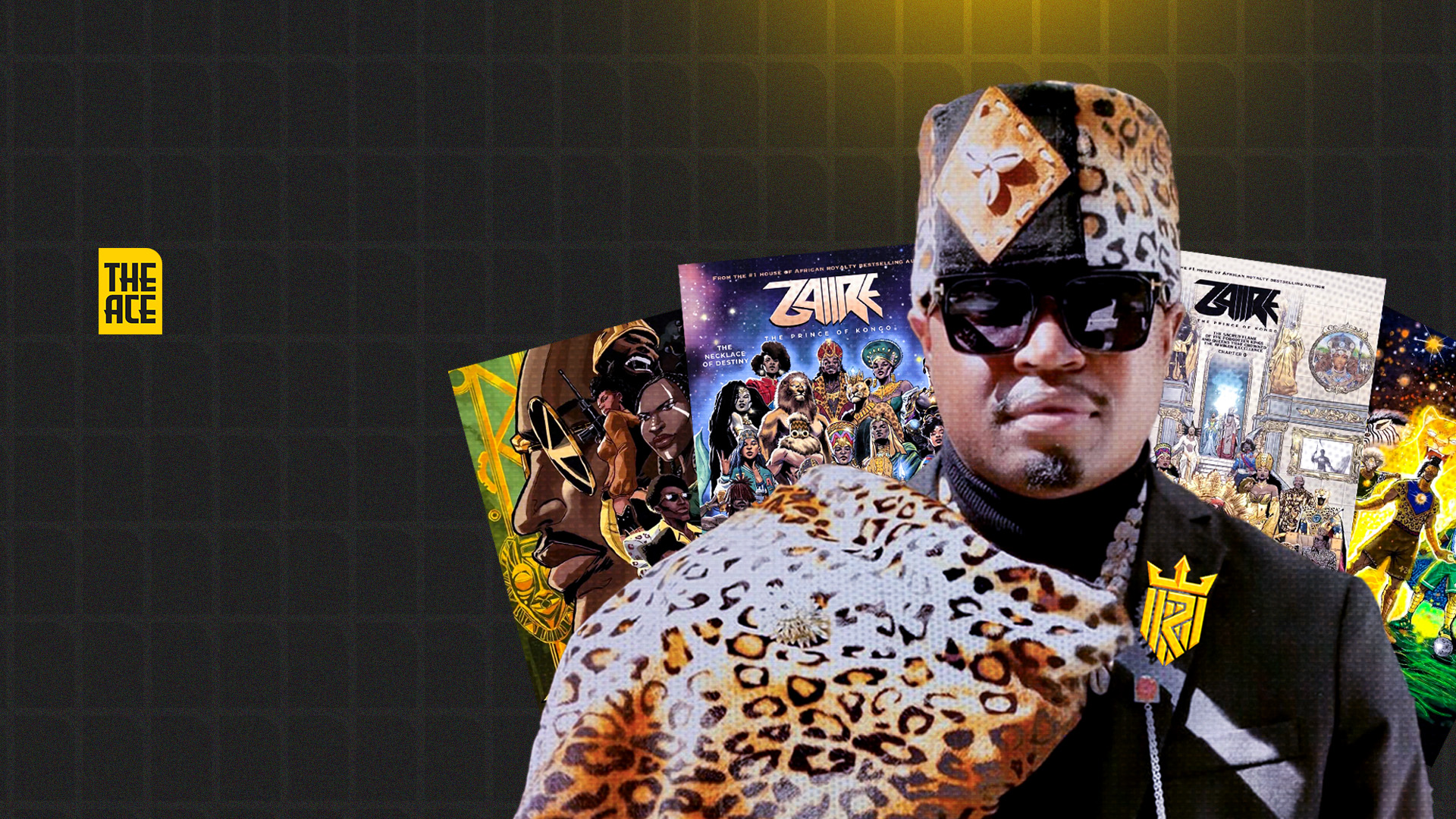
The convention was hosted by Savvy Bolu, who served as Master of Ceremonies for the day for the third consecutive time. Its Artist Alley featured four exhibitors, each bringing a distinct body of work to the floor. Ibrahim Ganiyu, known as SirGai, is a multidisciplinary creative with over thirty years in Nigeria’s creative industry, having created and published titles including Dark Edge, JuneXII, Garage Kombat, Alejo, Valley of Wings, Rekiyah and The Badgais; he also hosts the long-running creativity podcast Create or Die Trying with Sirgai and lectures in brand design and illustration at Orange Academy in Lagos.
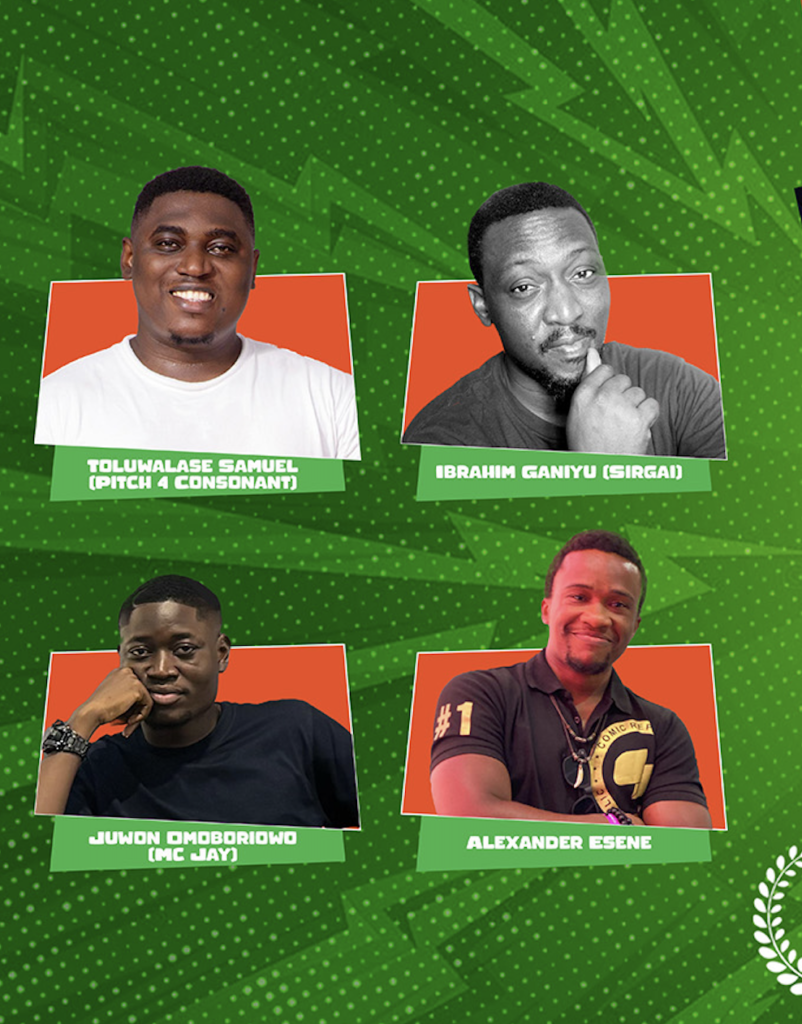
Alexander Esene, a multiple award-winning artist, has worked on flagship Comic Republic titles including Chibok and Aje, and has previously taken home both Artist and Colourist of the Year at the Comic Con Ibadan industry awards. Juwon Omoboriowo, who works as MC Jay, is a comic book, concept and storyboard artist whose credits span Vortex Comics in Nigeria and American publishers including Six Fifteen Comics, Golden Cloud Comics and We Are Dad Studios. Toluwalase Samuel, known as Pitch 4 Consonant, broke out with Jakuta Issue 1 for Brown Roof Studios before going on to work with international publishers such as Sixfifteen Comics, Newverse Comics, Solar the Sovereign and Ikari Press.
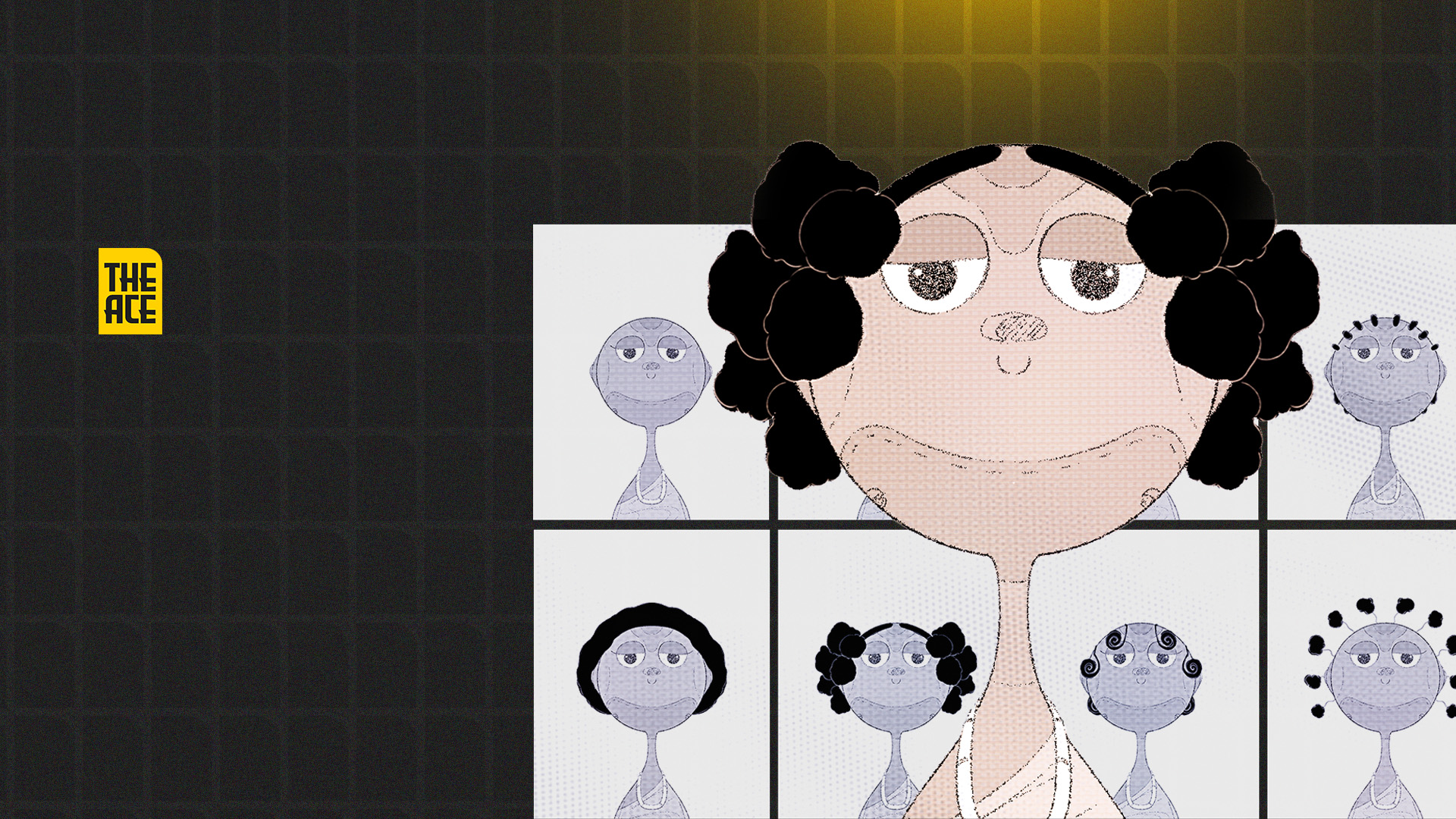
The day also included an official animation screening and release: The Misfortune of Mr Tokun, a new YouTube series by 2D animator Gabriel Oyatokun, making it the first time an animation is shown at the event. Oyatokun brings close to a decade of animation experience to the project, including credits on Cartoon Network’s Garbage Boy and Trash Can and work with NesseAnimations and VX Studios. His creator-owned short, Can You Go Alone, premiered earlier this year at the Afro Animation Festival in Burbank, California. Following the screening, Oyatokun joined an on-stage interview to discuss the project.
The Winners
This year’s edition did double duty: the awards ceremony was staged simultaneously with the physical launch of the Bookause 2025 Annual Nigerian Comic Industry Report, also marking its official print debut and making its collected data available to attendees. Winners in attendance walked away with a physical copy of the report alongside their trophies.
The Comic Con Ibadan Awards were presented on the day by exhibiting artist SirGai (Ibrahim Ganiyu). Hounds and Jackals, by Symphonii Studios, took Comic Book of the Year, while Oluwasegun Babawale was named Comic Book Writer of the Year for Fusion Issue 2 and Oluwatobi Michael Oluwafemi took Comic Book Artist of the Year for his work on Red Days. Ifeoluwa Owoade was named Comic Book Colourist of the Year for Hounds and Jackals, and CuisEl Joshua Peach took Comic Book Letterer of the Year for Celestial Eyes, Chapter 8.
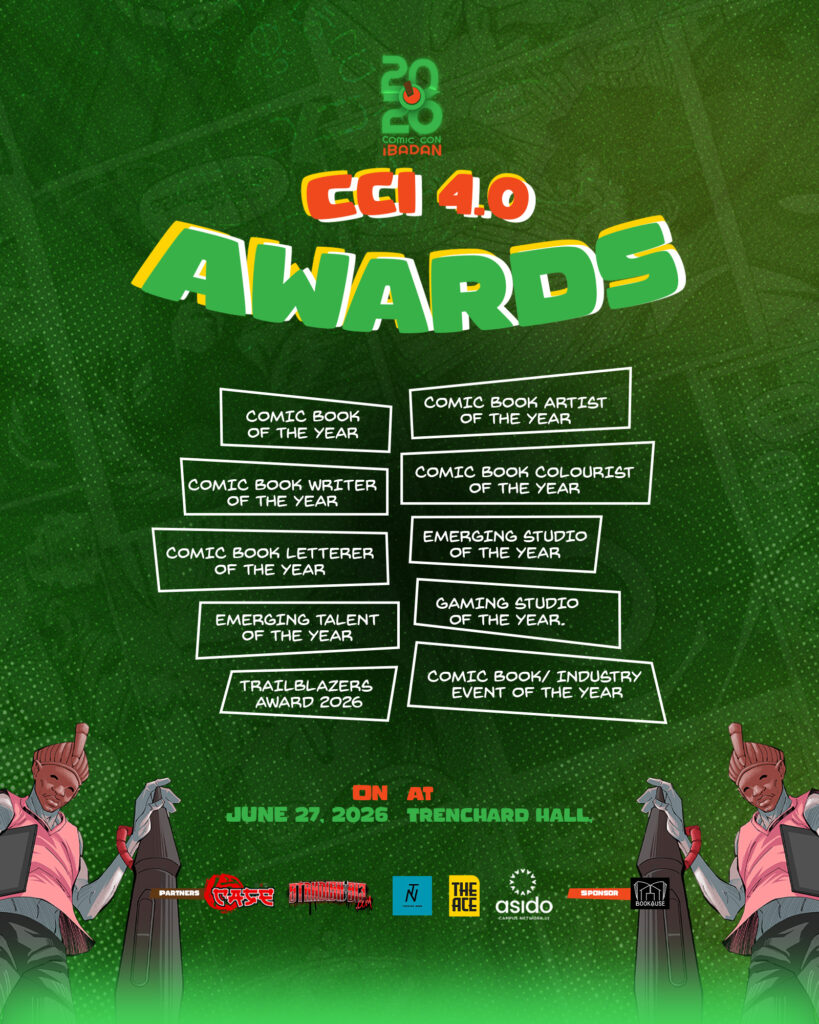
On the studio and industry side, Movix Comics was named Emerging Studio of the Year, Goondu Games took Gaming Studio of the Year, and Frame Fest Abuja was recognised as Comic Book/Industry Event of the Year. The evening’s Trailblazer Award went to two recipients: Jide Martin, for Comic Republic’s partnership with JETRO, and Symphonii Studios, for organising Frame Fest.
Ifeoluwa Owoade’s name features twice on that list, and not by coincidence. As a member of Symphonii Studios, he had a hand in nearly every project the studio was recognised for this year, including Hounds and Jackals and the Frame Fest organising effort behind the studio’s Trailblazer win. He marked the sweep with a celebratory video on TikTok, running through each award in turn.
The recognition provided a timely boost for several indie teams. Movix Comics’ founder credited the Emerging Studio win to persistence through a difficult stretch, having felt overlooked as recently as a week before the ceremony, and thanked TheACE and Comic Panel World for early reviews that gave the studio vital visibility in the Nigerian comics space.
For CuisEl Peach, the Letterer win was a repeat performance: this is his second consecutive year taking the category, both times for his work on Celestial Eyes, a book he describes as a personal skills challenge he has set himself over the past few years.
The Reality of Running a Creative Event
For all its polish on the day, CCI 4.0 was, by the convener’s own admission, staged under considerable strain.
Roughly two weeks before the event, reports of an abduction of a University of Ibadan student surfaced and spread quickly, arriving just as the team was fielding questions from prospective attendees about travelling into Ibadan for the convention. Convener Adedayo “Erivic” Adeoye pushed back on the framing, pointing out that the incident in question had occurred in Oyo town, some distance from the city centre where the convention itself was being held. Even so, the timing was unfortunate enough that Erivic considered cancelling the event outright. In the end, some attendees had already made the trip to Ibadan by the time a final call needed to be made, and the team elected to go ahead.

The event also lost its official gaming partner, Case Games, to a no-show, with a replacement partner brought in at short notice to keep that side of the programming intact. And, in a scene familiar to anyone who has organised an event in Nigeria, a mid-event power outage forced an unplanned diesel run and ultimately brought proceedings to a faster-than-planned close.
If there are two unsung figures in all of this, Ebenezer, the team’s logistics lead, and Tobi, the event’s coordinator, both of whom spent the day absorbing the kind of pressure that rarely makes it into a recap. Chasing generators, fielding last-minute problems, and asserting firm coordination to keep vendors and logistics partners aligned, Ebenezer did the thankless work that keeps an event standing while everyone else only sees the finished show.
Exhibitors felt the strain too. One of them, reflecting on his time at Artist Alley, noted that the organisation on the day had its share of glitches and that manpower was visibly stretched, even as foot traffic and sales held up reasonably well.
Macro Lens: What CCI 4.0 Tells Us About the Industry’s Economic Health
The logistical hurdles and visibly smaller crowd at this year’s convention are more than just isolated event mishaps; they reflect the broader economic realities currently shaping the domestic creative sector. Organising a large-scale gathering in the current macroeconomic climate means navigating high operational costs, fluctuating fuel prices, and unpredictable sponsor commitments, as evidenced by the abrupt partner no-show and the inevitability of a mid-event power failure.
Furthermore, the security concerns that directly impacted attendance numbers highlight how external regional vulnerabilities can instantly suppress consumer mobility and live-event engagement. Yet, the simultaneous launch of the Bookause industry report alongside wins for collaborative hubs like Symphonii Studios proves that while the market’s physical infrastructure faces severe strain, its intellectual and creative output remains resilient. The industry is building infrastructure in real time, shifting from raw output to a formalised economy, even as it operates under heavy environmental friction.
The Overall Picture
Attendance this year was visibly smaller than in previous editions, a point the convener and attendees alike acknowledged rather than glossed over. CuisEl Peach, weighing in with what he called an honest assessment, rated the day a 7 out of 10; smaller, with fewer exhibitors and its share of technical mishaps, but carried, in his words, by the energy of returning faces and new ones alike.
Attendee Godwin Jackson (ArtGodwinKing) offered a similarly candid take, conceding that this year fell short of the previous edition and attributing much of that dip to the security concerns in the lead-up. Even so, he described his own trip to Ibadan for the event as an experience worth having.
SirGai struck a similarly optimistic note about the venue itself, observing that Ibadan’s emergence as a market beyond Lagos points to a wider pool of creative talent than the industry typically credits and opens the door to linking the comic community more closely with the culture around it.
That, in the end, may be the truest summary of Comic Con Ibadan’s fourth year: an event that had every reason to falter; a security scare, a vendor no-show, a mid-afternoon power failure, and still delivered its awards, its screenings, its challenges and its report launch, in front of a crowd that showed up anyway.
--------------------------------------------------------
--------------------------------------------------------
AI Use at TheACE
TheACE uses artificial intelligence tools to support research, drafting and analysis across Africa’s creative industries. All content is verified, edited and approved by our human editorial team to ensure accuracy, clarity and responsible storytelling. AI assists our work; it does not replace human judgment.