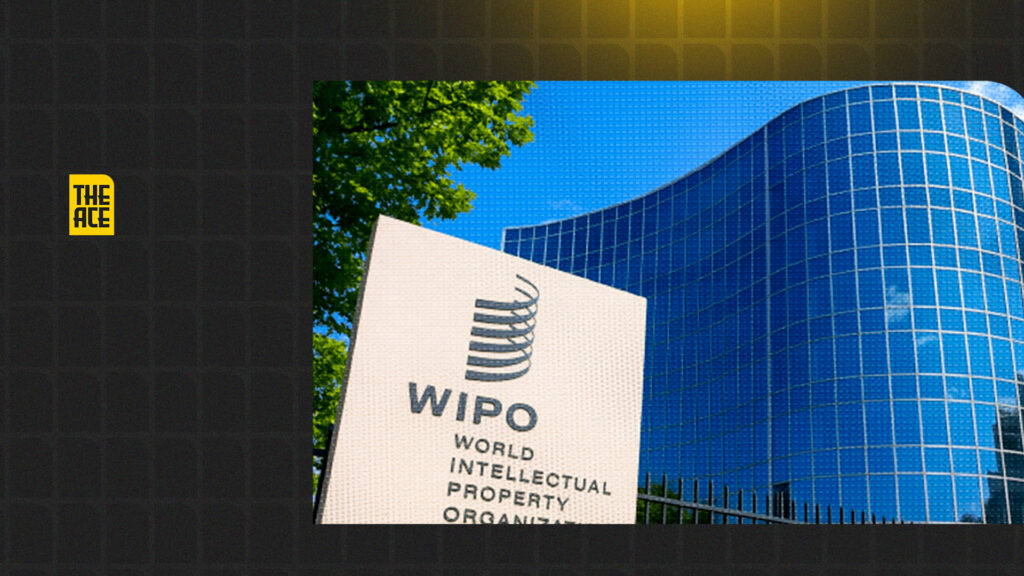
Applications are open for the next cohort of Project 1% for Africa, a free introductory intellectual property course run by the World Intellectual Property Organization’s (WIPO) Academy. The goal is to equip at least one per cent of Africa’s population, which is roughly 14 million people, with foundational IP knowledge by 2030. For a continent’s worth of comic book and animation creators who are building original characters, studios and franchises with little formal grounding in copyright or trademark law, it is one of the more practically useful opportunities on offer this year.
The programme, delivered by the WIPO Academy’s IP eLearning Section in collaboration with local institutions and WIPO’s external offices across the continent, is open to founders, entrepreneurs, game developers, creatives, researchers, students and business professionals. According to the current call for applications, the next intake closes on 29 July 2026, with free enrolment available via bit.ly/AccadeIP.
Successful applicants get free access to a WIPO Distance Learning course: roughly two months of self-paced online modules, supplemented by live expert lectures. The course closes with an examination, and every participant who completes it receives a globally recognised certificate. Those who score 90 per cent or higher qualify for a scholarship onto an advanced WIPO Academy course, a meaningful pathway for those who want to build a career in IP.
Project 1% for Africa has grown quickly since it began as a Nigeria-only pilot in 2024, when it reached 1,598 participants through a partnership between the WIPO Academy and the WIPO Nigeria Office; 563 of them scored well enough to earn advanced scholarships. By 2025, the programme had expanded to 14 countries and roughly 2,100 participants delivered in English, French and Arabic, working with 39 partner institutions. The most recent session, which concluded with a virtual graduation in December 2025, drew more than 7,900 learners from 27 African countries, working through 96 partner institutions including WIPO’s external offices in Nigeria and Algeria.
The course itself runs across 13 modules covering copyright and related rights in music and content creation, trademarks and industrial designs, patents, traditional knowledge and cultural expressions, and the broader relationship between IP and development. That module list reads almost like a checklist of the blind spots that trip up African comic and animation creators specifically: a character design published online without any copyright registration; a studio or franchise name never trademarked before a bigger player picks it up; a story adapted from oral folklore or cultural heritage without understanding how traditional cultural expressions intersect with modern IP protections; a licensing conversation entered into without knowing what rights are actually being signed away.
Far from abstract risks, piracy remains an active, physical problem for African publishing. Nigeria’s own Copyright Commission has carried out raids on printing houses in Ibadan, sealing premises and seizing unauthorised print runs. WIPO has also been deepening its footprint in the region: the organisation opened its first Sub-Saharan Africa office in Abuja earlier this year, and WIPO Director General Daren Tang used a recent visit to Nigeria to host a fireside chat on making IP work for creators, bringing together producers, policymakers and digital innovators to discuss what rights protection actually looks like in practice for the creative economy.
For comic book publishers, webtoon creators, animation studios and the platforms that cover them, a WIPO-certified grounding in copyright, trademark and licensing is an important knowledge asset for an industry still working out how to protect original IP before it scales, license characters across borders, or defend work against unauthorised reproduction.
Applications for the current cohort of Project 1% for Africa close on 29 July 2026. Free enrolment is available at bit.ly/AccadeIP.
--------------------------------------------------------
--------------------------------------------------------
AI Use at TheACE
TheACE uses artificial intelligence tools to support research, drafting and analysis across Africa’s creative industries. All content is verified, edited and approved by our human editorial team to ensure accuracy, clarity and responsible storytelling. AI assists our work; it does not replace human judgment.