The part of my body I love most is my hair.
As a child, letting it grow got me into trouble at home and at school. There were rules about how my hair should look, how long it should be and what counted as acceptable. Looking back, I keep asking the same question: why was something that grew naturally from me treated as something to be controlled?
That question pushed me to make art and content around African hairstyles, and the more I explored, the less “hair” seemed the right word. Across African societies, hairstyles have signalled age, social position, identity and belonging. Their meanings differ from place to place and across periods, but the craft is consistent: hair is parted, braided, threaded, sculpted and adorned until the head becomes a canvas and the stylist’s hands become instruments of design.
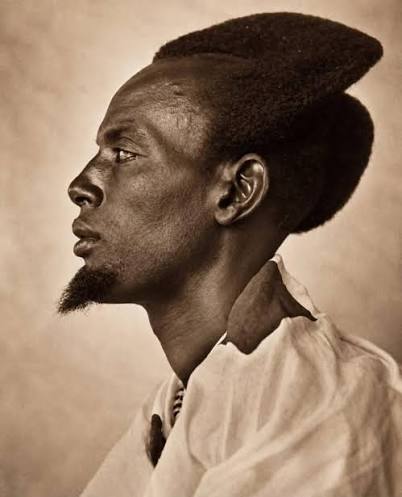
The history of African hairstyling offers many examples of this. In Rwanda, for instance, the traditional Amasunzu hairstyle was worn in different forms by men and unmarried women as well, with styles associated with social and marital status, which is also common in many African societies. The Rwanda Cultural Heritage Academy notes that the hairstyle had more than 30 variations and that, traditionally, women’s hairstyles could signify marital status. This reminds me that African hairstyles have never been merely about appearance. They can function as visual languages communicating information about the person wearing them while simultaneously demonstrating an extraordinary level of craftsmanship and design.
That artistic and cultural value raises a practical question: how do we make sure these styles are properly documented for future generations? I believe comics are part of the answer.
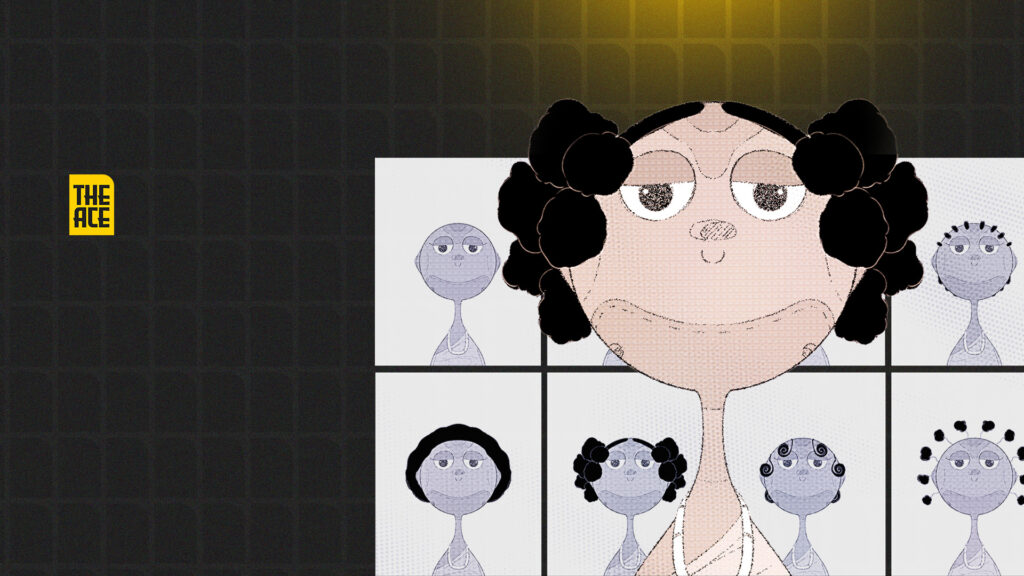
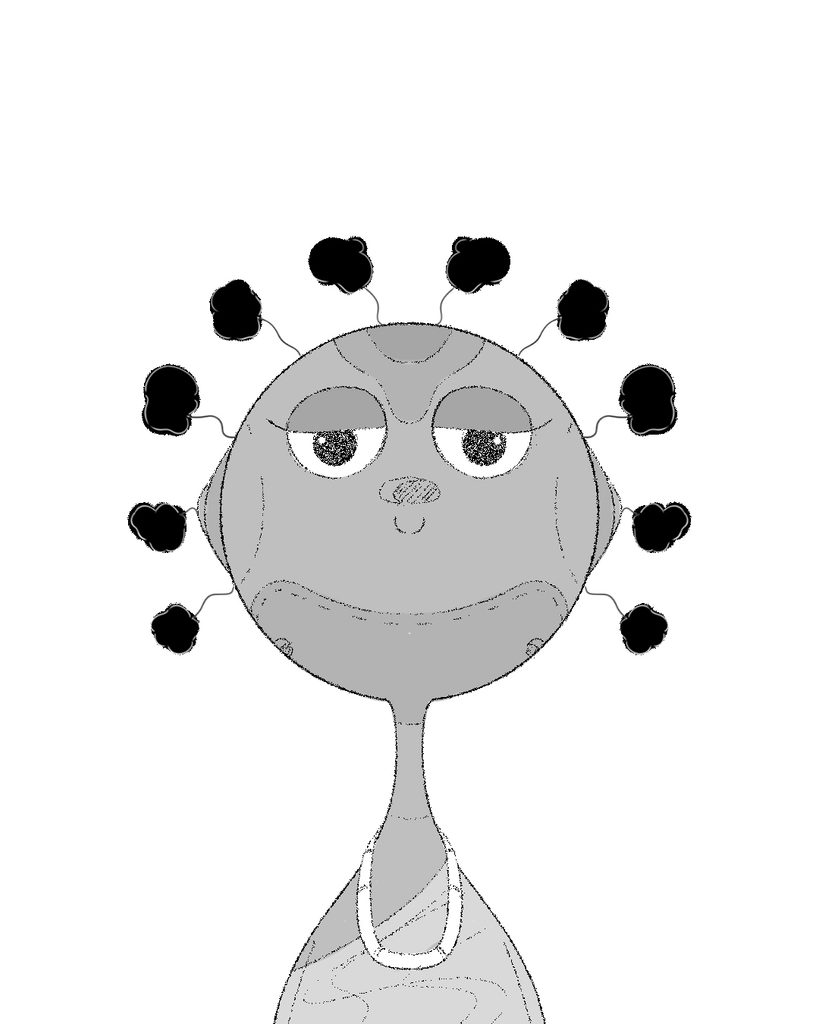
One style that holds my attention is Koroba. Associated with the Yoruba people of western Nigeria, Koroba is a braided hairstyle in which the hair radiates outward from a central point, usually the top of the head, creating a rounded form that resembles an upturned basket or pail. Historical records from the Smithsonian’s National Museum of African Art document Koroba in Ikenne, Nigeria, as early as 1973, identifying it specifically as a Yoruba hairstyle.
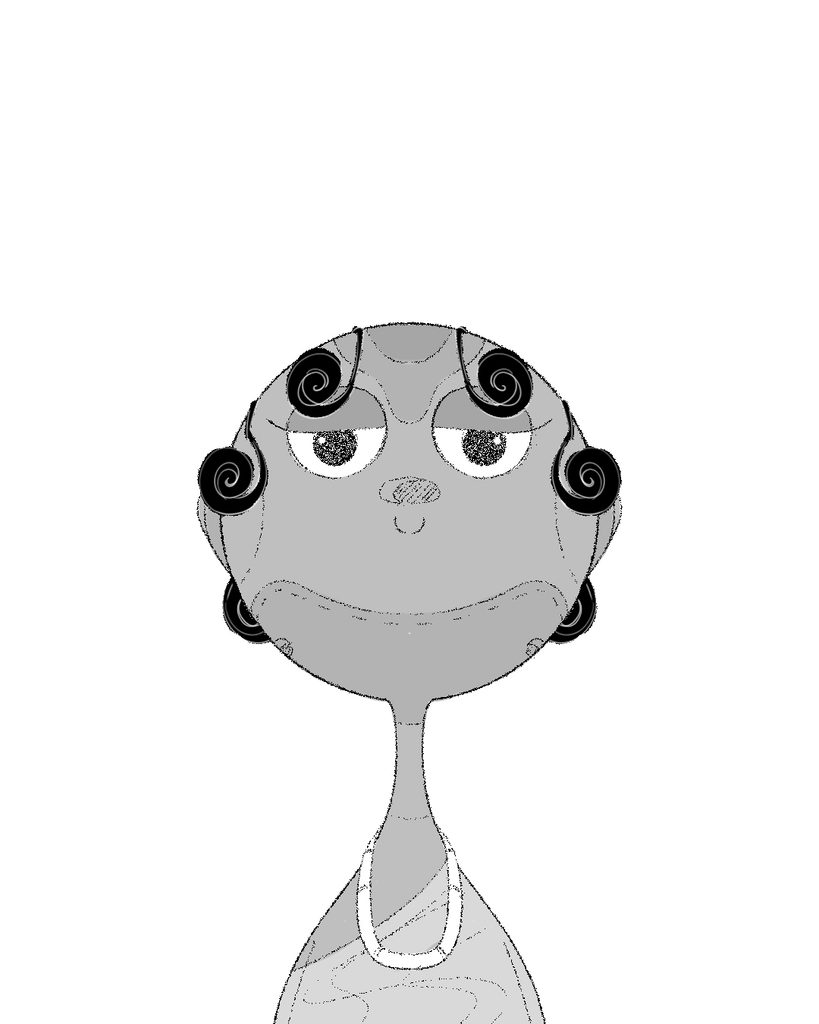
As an artist, I see beyond grooming. I see lines, shapes, rhythm and composition. Hairstyling and drawing share planning, precision and an understanding of how small elements form a whole. One is made on a head, the other on paper or a screen.
Now picture a comic in which a character wears Koroba, and the artist draws its structure with the care usually given to a costume or a suit of armour, so that readers can recognise it. The comic could also show how the style is made, through sequential panels or an explanatory box.
For younger readers, this matters. Many of us learned to draw by copying the hair of anime characters such as Naruto. Repeated exposure and storytelling made those shapes familiar. African children deserve the same encounter with their own styles.
Comics alone cannot preserve a hairstyle. But they can carry visual information about a culture inside a story, and that record can be studied and reinterpreted by later readers. Popular comics do include afros, locs, fades, cornrows and shaved heads, and those deserve representation. Yet African hairstyling is far wider: threading, intricate braiding, adornment and regional variations, all of them rich visual material.
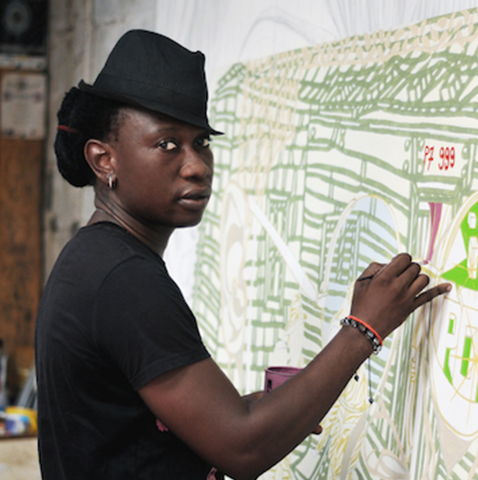
There are already artists exploring this territory through visual art and illustration. Cameroonian artist Boris Nzebo made detailed studies of African hairstyles central to his paintings, drawing inspiration from the haircut signs and hairstyles he encountered in Douala. Obidike Arinze Nnanyelu, for example, created a Visual History of Nigerian Hair series that documents the visual culture of Nigerian hairstyles and the salon environments in which they are created. His work treats hairstyles as subjects worthy of documentation rather than simply as details of a portrait.
Documentation cannot stop at appearance. The meanings, contexts and people behind a style matter as much as its shape. A hairstyle reduced to decoration loses the story it carries.
The same is true of culture as a whole. It is often shown through a narrow set of images: festivals, traditional dress, food, ceremonies. These matter, but culture also lives in how people style their hair, build their homes, name their children, tell stories and read the world around them.
A Yoruba proverb says: Odò tí ó bá gbàgbé orísun rẹ̀, yóò gbẹ. The river that forgets its source will dry up. Knowing our roots does not mean staying unchanged. It means recognising the histories that shaped us.
Culture shifts with each generation. Some practices are kept, some altered, some fade. That is natural, but change should not mean losing awareness, and documentation lets communities decide what to carry forward. This is why Africans should be active in documenting and interpreting their own cultures. Others can contribute, but African creators, researchers and communities must have the chance to tell their own stories, because narratives drift when they are told without context.
African history and culture already appear in international films, documentaries and other media, with varying depth and accuracy. The question is not only whether African culture is represented, but who is telling the story, how it is told and which perspectives are kept.
Comics are one way to answer it. African artists can document practices, explore history, write fiction rooted in African experience and build visual resources for later generations. A strong comic can also seed animation, film, learning materials or interactive media, though adaptation is never simple. And a comic does not need an adaptation to have value. It can stand as a creative work and a cultural record in its own right.
Preservation is not the same as celebrating everything inherited. Some traditions carry valuable knowledge and community identity. Others were abandoned, challenged or changed because of their social cost. Comics can hold both truths. A story can honour a heritage and still question its meaning and impact.
This matters most in comics for young readers, who should learn their heritage and also learn to ask questions of it. A comic on a traditional practice can show its origins, how it was carried out and how its meaning has shifted, inviting readers to understand rather than simply admire. Preservation should not freeze culture in time. It should keep knowledge accessible and open to interpretation.
This is where comics become more than entertainment. Imagine a student learning about African hairstyles through a comic: seeing different styles, following characters who explain their significance, tracing how they have changed. The learning is visual and narrative at once. Schools could use carefully developed comics as supplementary material in history, social studies and art, not to replace existing teaching but to widen the ways students meet cultural knowledge.
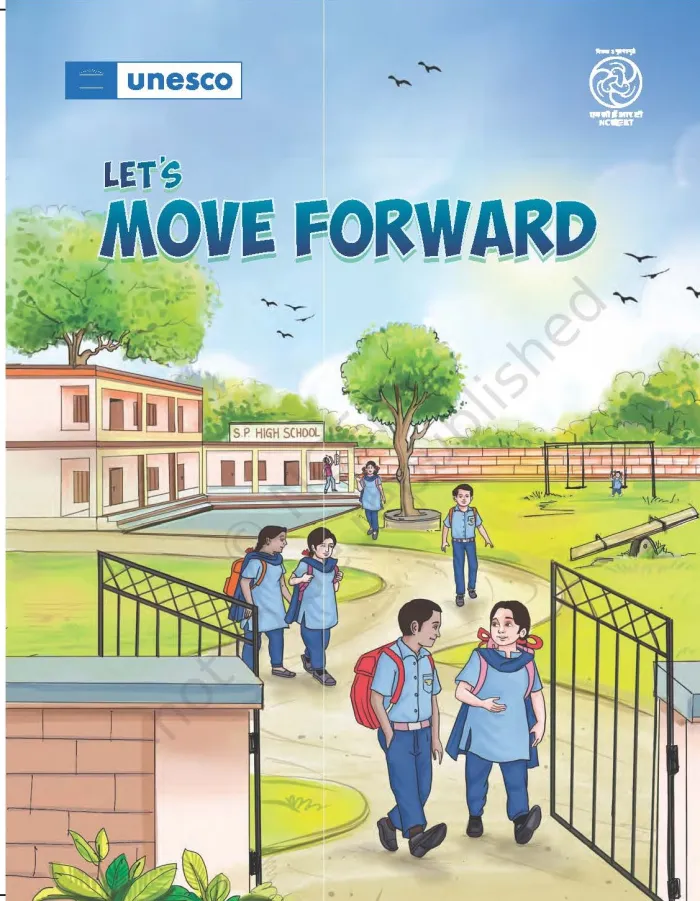
There are already examples of educational systems using comics in this way. In 2023, UNESCO New Delhi and India’s National Council of Educational Research and Training (NCERT) jointly developed Let’s Move Forward, a comic book designed to complement India’s School Health and Wellness Programme. The comic uses characters and narrative to address topics including health, well-being, relationships, values, gender equality, safety and responsible use of social media. It was made available in print and digital formats and translated into multiple Indian languages.
The example demonstrates how comics can work alongside formal teaching rather than replace it. In the same way, carefully developed comics about African culture could serve as supplementary material in history, social studies and art. They could give students another way to encounter cultural knowledge through characters, visual details, dialogue and stories while encouraging them to look more closely at the cultures being represented.
As African creatives, we can draw the hairstyles that carry history. We can illustrate the architecture of our communities and tell stories about traditions, struggles, celebrations and everyday life. We can also question and reimagine. Africa is not one uniform experience, and meaningful documentation means respecting the differences between its peoples and the communities being represented.
What matters is that we keep creating, keep asking questions about our heritage, and pass knowledge forward in forms that future generations can reach and understand.
The stories we inherited deserve to be drawn, not only remembered.
Written by Túndé Adébọ́nà
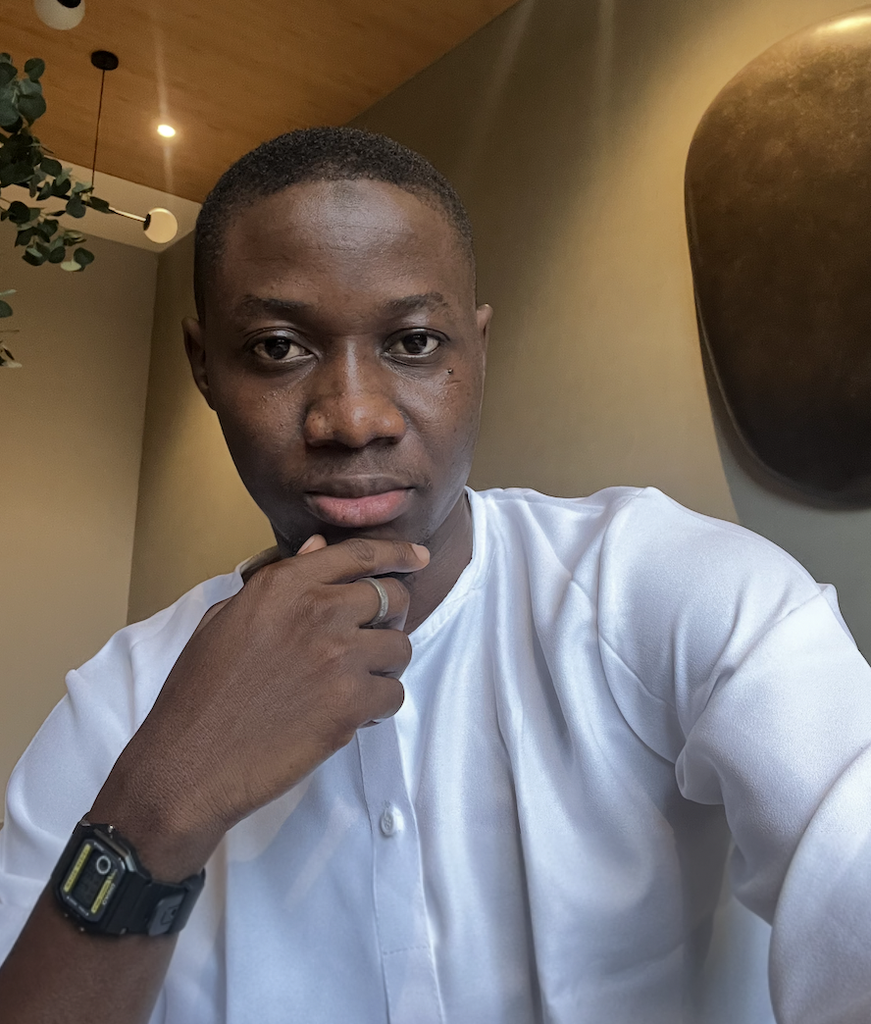
Túndé Adébọ́nà (toondays) is a Nigerian visual artist, illustrator, and storyteller exploring culture, history, and identity through digital art, comics, and animation. His work combines contemporary visual styles with African stories and cultural experiences, with a particular interest in using art as a tool for storytelling, education, and cultural representation.
——————————————————–
——————————————————–
AI Use at TheACE
TheACE uses artificial intelligence tools to support research, drafting and analysis across Africa’s creative industries. All content is verified, edited and approved by our human editorial team to ensure accuracy, clarity and responsible storytelling. AI assists our work; it does not replace human judgement.