In 2025, Nigeria had more than 25 comic publishers, a studio that took five of nine awards at a single convention, a webcomic that passed 50,000 readership views in under two years, and not one place where anyone could look any of it up.
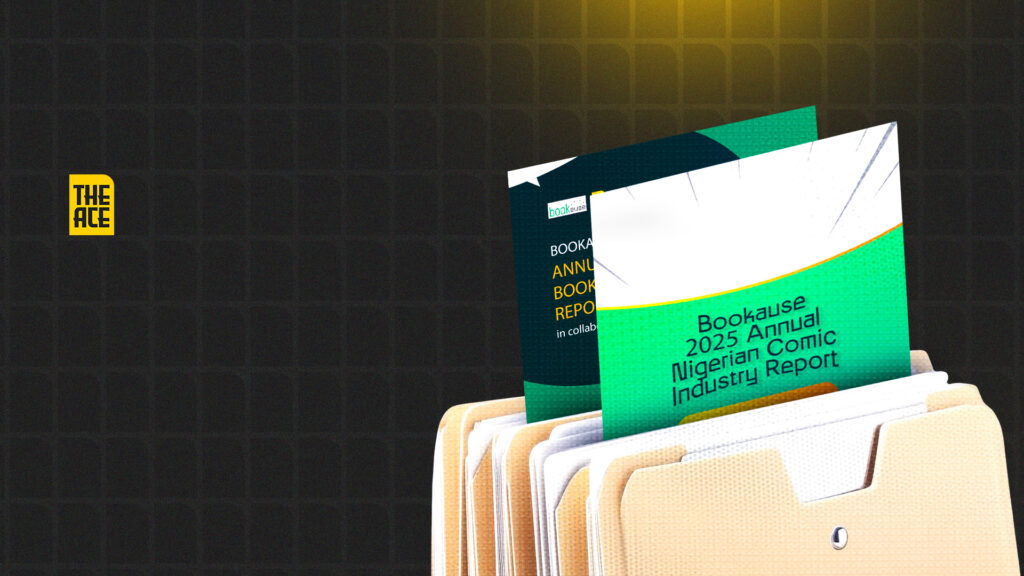
That was the problem we kept running into while we worked on the Bookause 2025 Annual Nigerian Comic Industry Report with our partner. Finding stories was never hard. Finding numbers was. The whole project began in a search bar, where we went looking for credible, current information on African comics and animation and found stale pages, scattered mentions and dated think pieces. That is a strange thing to discover about a sector with this much creative output. So we set out to build the documentation ourselves.
Chapter 3 of the report, Industry Mapping: Creators, Publishers and Ecosystem, is where that decision became most visible. It is the part that tries to answer a question nobody could answer for us: who is actually making comics in Nigeria, and how does any of it reach a reader?
Start with the biggest names. Comic Republic held its lead in 2025 with 14 titles and 24 issues, recording 5,300 signups, more than 192,000 reads and 2,500 sales. The Machine’s Celestial Eyes gathered over 50,000 readership views across nine chapters on GlobalComix in less than two years, according to the platform’s public figures. Spoof brought back Boxsa and Jinx, ICStudios put its old title Dark Edge on Selar, and Panaramic Comics, which we credit with eight titles and more than 30,000 sales, became one of the first publishers endorsed by the Lagos State government and began supplying the public education system with its books as instructional material.
What turned that list into something more useful than a directory was how we sorted it. Instead of ranking names, we segmented publishers by scale, distribution model and revenue focus, and found three working tiers. Digital Titans such as Comic Republic and YouNeek Studios run digital-first models and earn through IP licensing and brand partnerships; YouNeek’s fourth volume of Iyanu: Child of Wonder arrived after the series was adapted into animation for HBO and Cartoon Network. Strategic Print Players such as Panaramic and Spoof lean on institutional supply, republishing and event sales. Emerging Hybrid Studios such as The Machine, Symphonii Studios and Scourge Comics blend third-party platforms, anthologies and pop-up events, and they are producing much of the year’s critical heat. The Machine alone took five of the nine award categories at Comic Con Ibadan’s Synergy 2025. We have called this a segmentation rather than a ranking, and we mean it: it is a way of making a messy sector legible, not a league table.
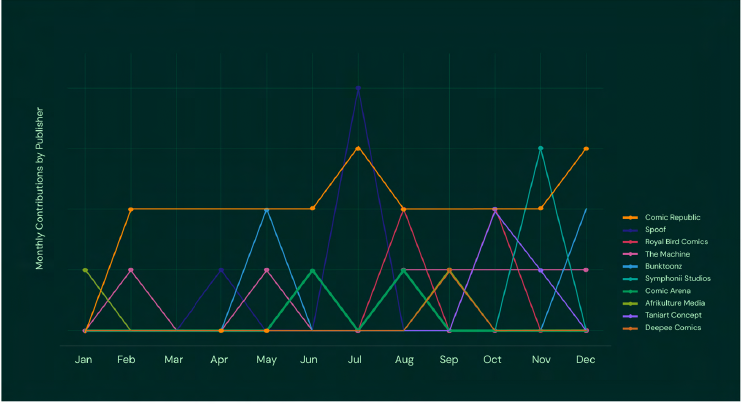
Behind every one of those titles is a supply chain of people who rarely make the cover. We put names to a few of them: letterers, writers and colourists whose work on titles such as Vanguards, Celestial Eyes and Ecclesia carried much of the year’s quality, including one colourist whose painterly pages earned a Comic Con Ibadan nomination. Theirs is also the costly part of production. Drawing on creator compensation research by Nick Macari, we note that professional page rates run from tens to hundreds of dollars per role, and that publisher advances for short comics often sit around $3,000. Many of these professionals work across several roles at once, which is its own quiet kind of labour.
Then there are the people holding the whole ecosystem together by hand: conveners, archivists and community builders who keep events running, repositories growing and new regions in the frame. Without a formal guild, individuals are carrying a burden that an association should share, from lobbying to standardisation to data collection. That, rather than any single absence, is the structural fact the chapter keeps running into.
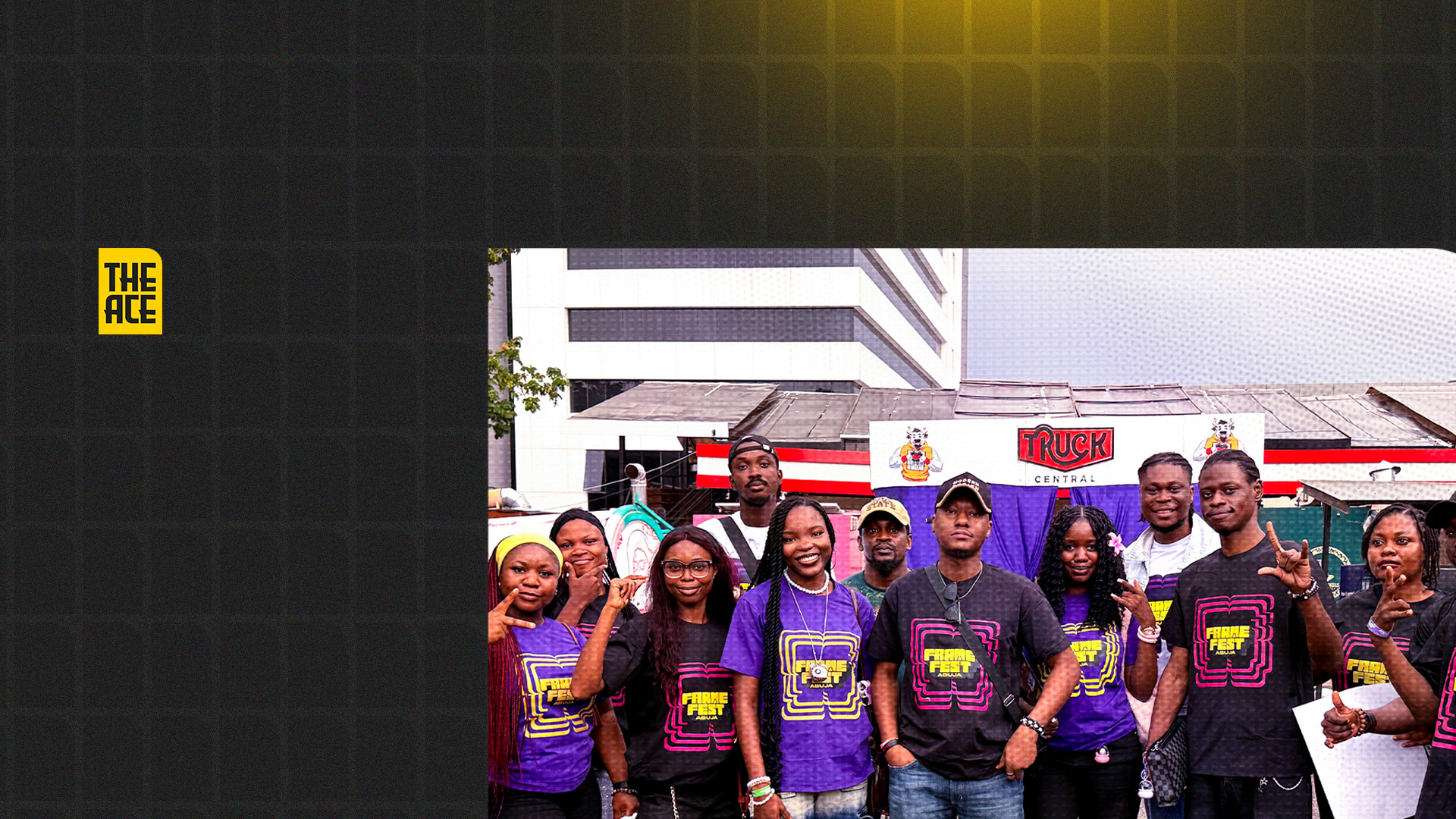
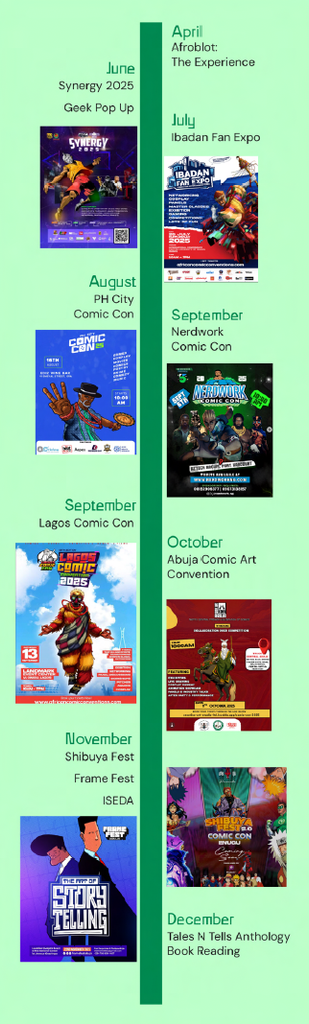
A map is only as useful as the roads on it, and here the roads curve strangely. Print still moves at conventions, but Ayodele Elegba launched African Comics Convention as a digital portal for pre-orders and delivery across Nigeria. Comic Republic ended the free era of its website and moved to paid monthly subscriptions, with Galatoons Media and SM Comics App following with their own models. The events calendar widened too. Synergy 2025 drew nearly a thousand attendees, about 30% more than the previous edition, and became the first event of its kind to receive state government endorsement through the Ministry of Youth and Sports. Shibuya Fest 2.0 in Enugu ran on grassroots energy alone, Frame Fest Abuja premiered an animated short alongside three new Symphonii Studios titles, and PH City Comic Con returned for a fourth edition. Even Lagos Comic Con’s difficult 13th edition, with ₦5,000 general entry and exhibitor stands costing upwards of ₦100,000, became useful evidence of an industry learning to scale in public.
Yet the roads do not always lead home. Of the creators we surveyed, 78.6% named distribution as a primary challenge. One creator told us that around 80% of the readers of their books are foreigners, even though they market mainly to Nigerians. Read those two facts together and a pattern appears: Nigerian comics find readers when a road exists, and too many of the roads at home are thin or missing.
What we did next is the part we are proudest of. We printed the blanks. Reach figures for some of the biggest names in our tables read N/A. Several publishers we list did not release a single new title or issue all year. Our research rests on a survey of 28 creators and publishers, 38 readers and eight interviews, and, as we state plainly, Nigeria has no unified registry of comics and no industry guild. We have tried to be as clear about where our own figures come from as about the gaps we could not close: platform-published numbers such as read counts we take at face value, while sales and output are self-reported by studios and should be read that way. A map that pretends to be complete is worse than no map at all, so we left the blank spaces visible. They are the most honest part of the chapter, and they are the reason for everything that comes next.
It is worth saying that the things that come next are ours. TheACE is not a neutral observer here: the report is a partnership, and the projects below are how we intend to build on it. We mention that because the same honesty we are asking of the data should apply to our motives.
TheAfrica100 is what happens when you take the mapping instinct of Chapter 3 and refuse to stop at a border. It is a non-ranked, continent-wide spotlight of roughly 100 African comics and animation projects, built on a structured nomination process across three streams. It is not a league table. It is a way of putting studios, creators and work in front of readers, funders and partners who cannot find them today, and it only works if the right projects are put forward.
TheLibrary goes after the problem underneath. We are building it as a continental archive of comics and animation, meant to be the registry the industry has been missing, a place where titles, creators and releases are recorded rather than remembered. Its minimum viable product is targeted for January 2027, and its search bar is designed to double as a language model that answers questions from the database itself. Nobody researching African comics should have to dig through stale pages the way we once did.
All of this points towards a possible third edition of the report. It would aim for deeper research: larger samples, more voices from beyond the usual hubs, firmer figures where this edition could only say they were hard to find, and a picture of the industry that reaches further. Nothing is fixed, and the shape of it will depend on how much data the industry is willing to share with us. A magazine built to amplify the culture is also on the way, so that the stories behind the numbers get the room tables cannot give them.
Nominate for TheAfrica100 before 30 November. If you make African comics or animation, publish it, or know a project the continent should be talking about, put it forward. A nomination is how a name moves from a blank space on the map to a place on it. Nominate here: https://forms.gle/Lp8GbC6YrsfHBZ7t5
——————————————————–
——————————————————–
AI Use at TheACE
TheACE uses artificial intelligence tools to support research, drafting and analysis across Africa’s creative industries. All content is verified, edited and approved by our human editorial team to ensure accuracy, clarity and responsible storytelling. AI assists our work; it does not replace human judgment.