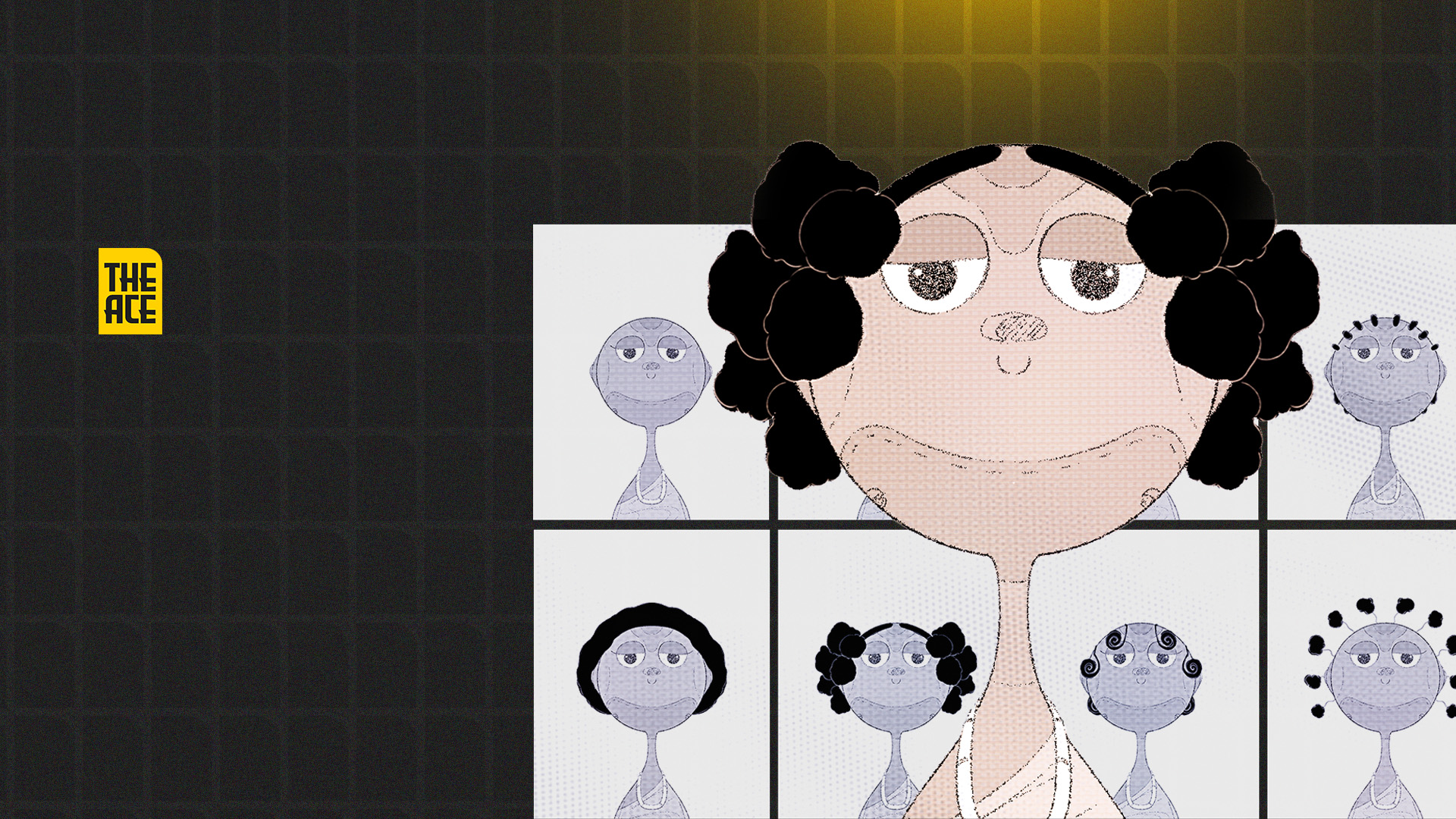
A fourteen-year-old in Ibadan spends her evenings drawing digital comic pages and watching animation tutorials on a borrowed phone. She is exactly the kind of person Africa’s tech-education boom is supposedly meant for, curious, online, already halfway into digital work without knowing it has a name. But when she goes looking for somewhere to learn to code, almost everything she finds asks the same quiet question first: are you already out of secondary school?
That’s not an accident, and it is not anyone’s fault. It is just where most of the continent’s funding and teaching capacity has been pointed, and where it has not.
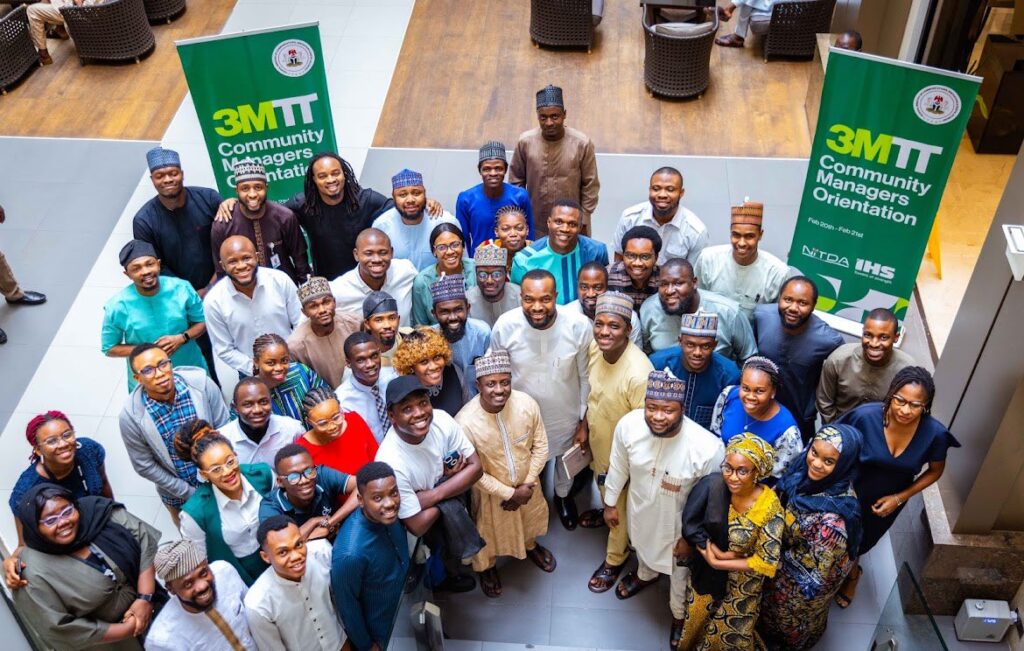
Nigeria’s federal 3 Million Technical Talent programme, the country’s flagship attempt to build a technical workforce at scale, was built as part of a push toward two million digital jobs, training people who are, functionally, already job-seekers. AltSchool Africa, one of the continent’s most recognisable tech schools, has grown past fifteen thousand graduates, but by its own description it works best for learners who are already self-directed and already own a laptop and stable internet. Decagon runs a well-regarded learn-now-pay-later model, but repayment only starts once a graduate is employed, which tells you exactly who the programme is built around. None of this is a criticism. These programmes are solving a real, urgent problem: Nigeria and its neighbours need working developers now. But solving that problem has absorbed almost all of the continent’s tech-teaching energy, leaving the layer underneath it, actual children, thin by comparison.
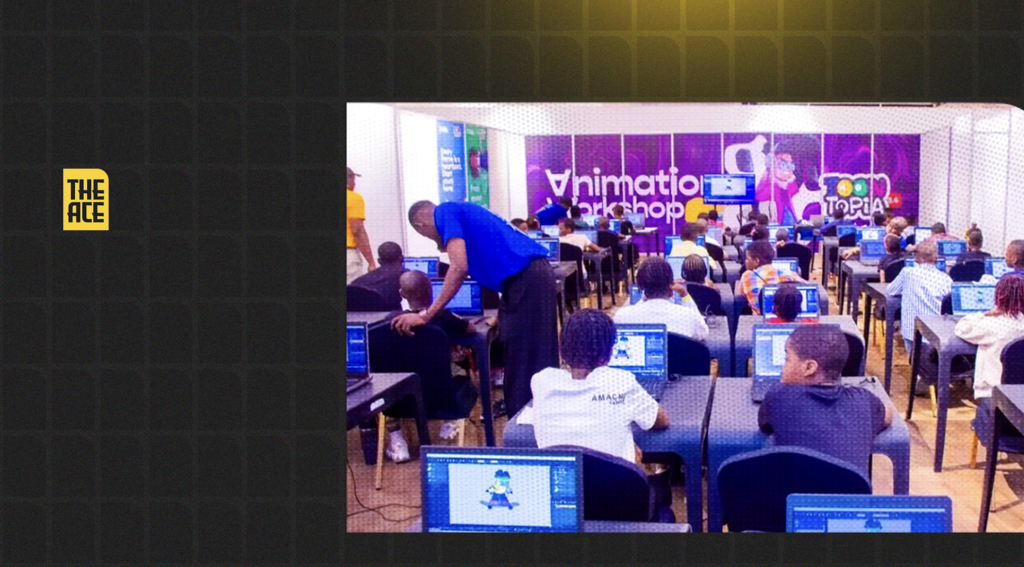
The creative side tells a slightly different, more hopeful story, at least on the surface. Smids Animation Studios, one of Nigeria’s most established animation houses, has spent this year running Toontopia, a children’s animation festival held in partnership with the National Theatre, now the Wole Soyinka Centre for Arts and Culture, with workshops in digital animation, stop-motion filmmaking, illustration, painting, and puppetry. This year’s edition drew around 250 children, up from 70 the year before, and carried real corporate backing: Stanbic IBTC sponsored the event under its Blue Kids Day banner, with the bank’s Taiwo Ala framing it explicitly as an investment in preparing children to compete globally. Smids is also preparing to run its long-running summer camp again this year, another established route through which Nigerian children get real, hands-on creative training. So, funding for children does exist, and some of it is landing exactly where it should.
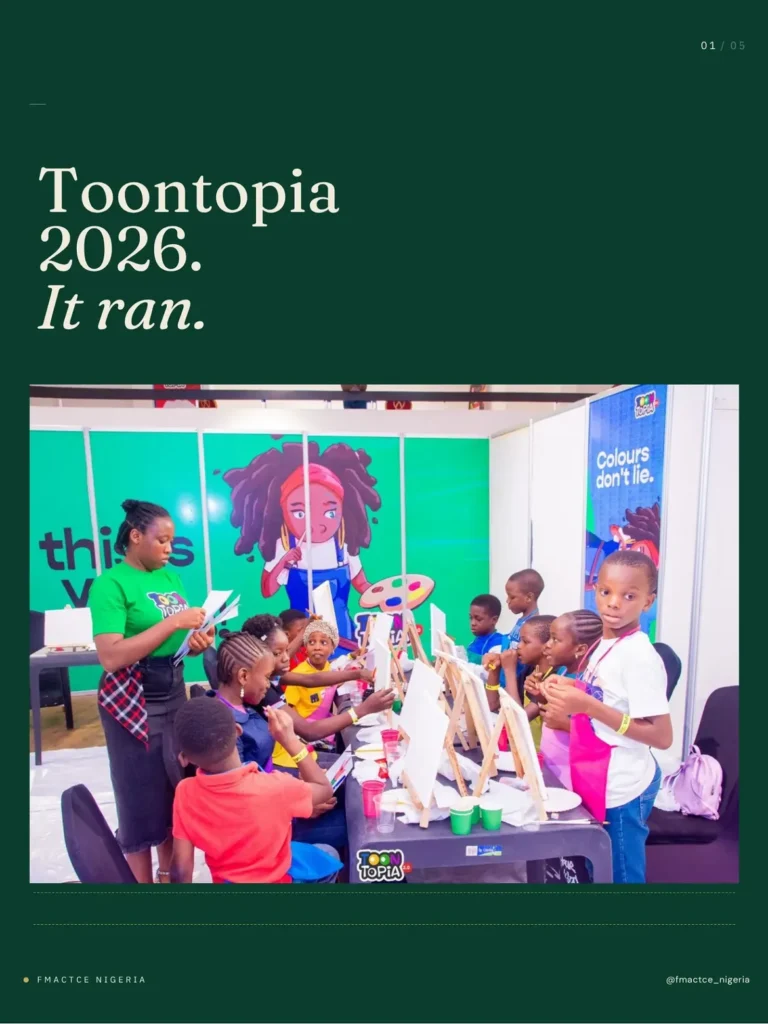
What that funding still rarely covers is the layer sitting right next to it. Toontopia teaches children to animate, illustrate, and tell stories with puppets and stop-motion rigs. It doesn’t, by design, teach them to code the tools those crafts run on, and there’s no reason it should have to; that is not what the festival is for. But that leaves a specific, narrow gap: children who can already animate a scene but have no early door into the software, coding, and digital infrastructure skills that would let them build the next generation of tools themselves, rather than only using the ones handed to them. That gap is being filled, where it is filled at all, by a much smaller and scrappier set of organisations. Sevocoder, run out of Jos by the nHub under a “catch them young” banner, teaches secondary school students directly, with a stated goal of producing two thousand developers from Plateau State alone [nHub Sevocoder; Techpoint Africa]. Teens Can Code focuses specifically on digital inclusion for young people in underserved Nigerian communities who lack devices, internet, or digital exposure altogether. EarlySTEMer, based in Lagos, teaches coding, web design, and artificial intelligence to children as young as six. These are real, functioning programmes. They are also a fraction of the size and funding of both the adult-facing bootcamp ecosystem and the growing children’s creative-festival circuit around them.
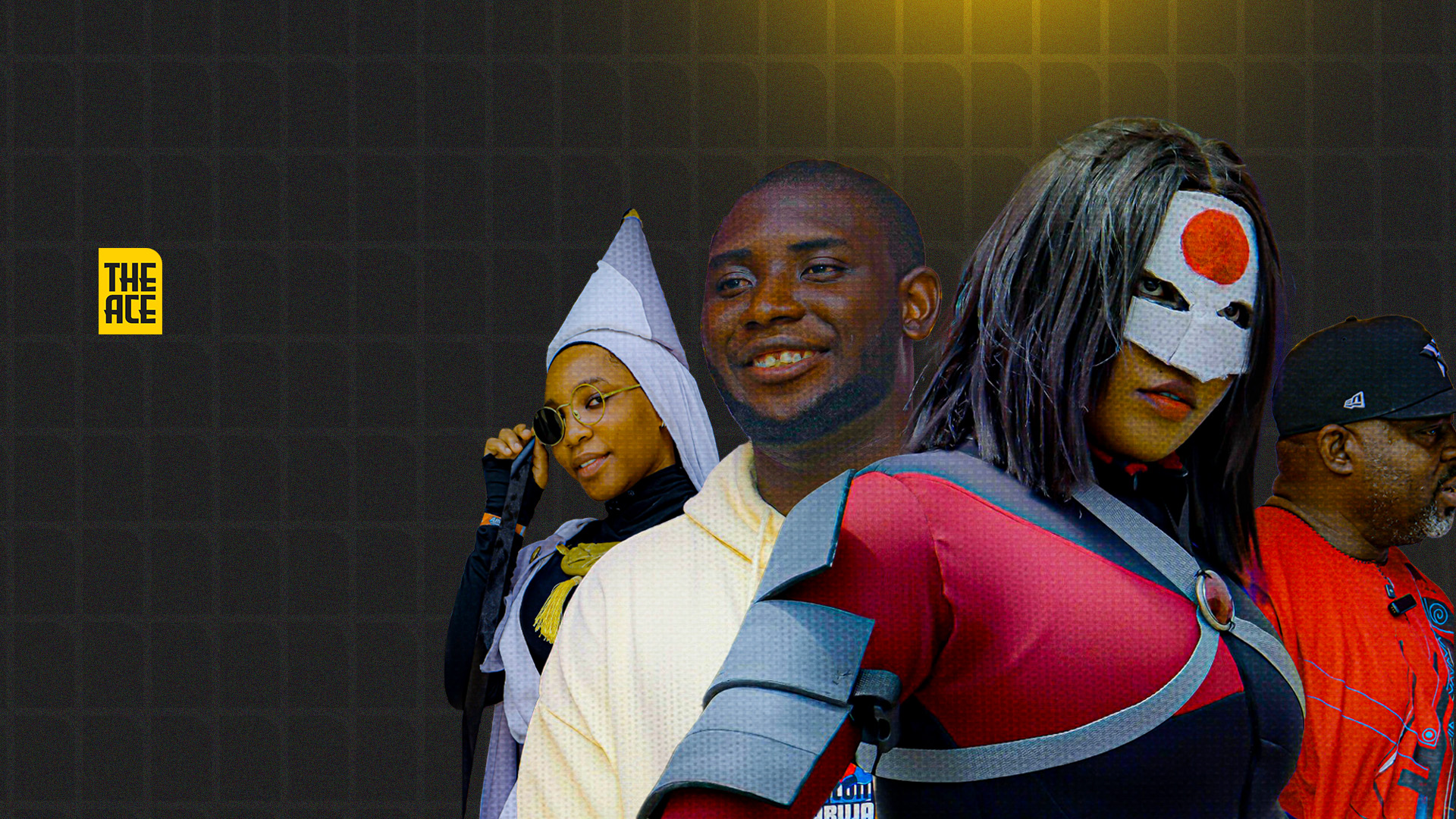
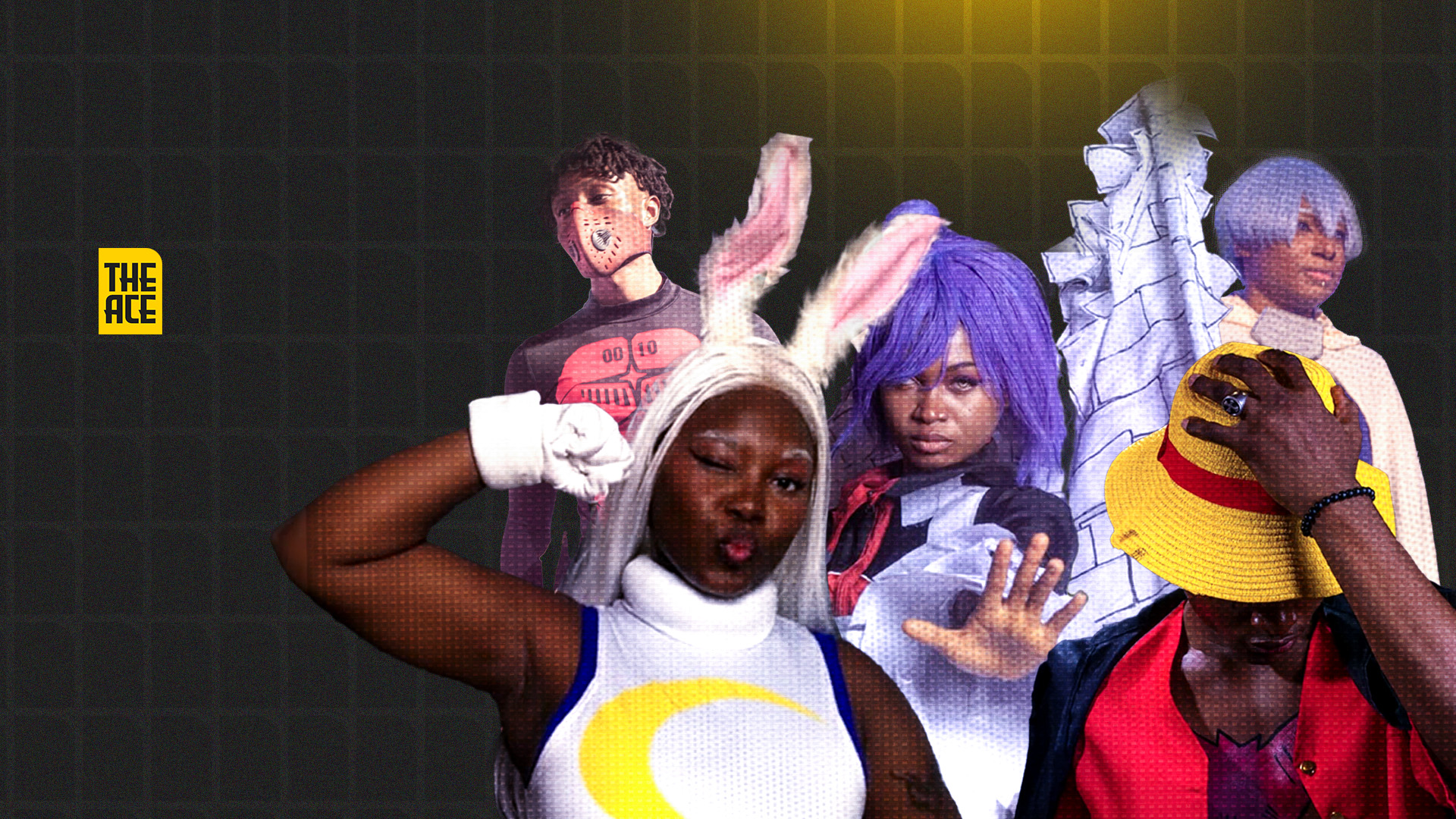
Comics and animation sit closer to this gap than most people realise. A teenager who is already spending hours a week drawing, world-building, or editing fan animations, the kind of child a festival like Toontopia is built for, is, in every meaningful sense, already doing creative-technical work. What is usually missing is not interest, and increasingly it isn’t even creative training. It is a door into the technical side that opens before university.
TeenTechQuest, Fiztech Ironclad’s own answer to that gap, runs under the banner “Compete, Learn, Innovate,” built specifically for teenagers rather than career-changers, and it is reachable directly on Instagram and TikTok at @TeenTechQuest for anyone who wants to see what that age group is building. Fiztech also works directly with schools, studios, and platforms that want to build technical literacy into younger, earlier pipelines rather than waiting for graduates to arrive fully formed, running alongside the same school-holiday calendar that events like Smids’ summer camp already occupy.
None of this means the adult-facing bootcamp ecosystem, or the growing children’s creative-festival circuit, is doing anything wrong. Nigeria plainly needs all three layers: urgent workforce training now, real creative exposure for children, and a wider technical funnel of much younger people growing into that workforce over the next decade. Right now, the first two layers are well-funded and well-covered. The third is being carried by a much smaller group of people who mostly started this work themselves, because nobody else had.
Temidayo Oladipo is one of them. She started in tech as a teenager herself and later built TechBridge specifically to give underserved Nigerian youth the free coding classes, mentorship, and access she once had to find her own way toward. Nobody handed her that infrastructure. She built it because she’d already felt the exact gap this piece is describing. The fourteen-year-old in Ibadan, still watching tutorials on a borrowed phone, does not need someone to invent that model from scratch either. It already exists, and it is slowly getting less rare.
References
3MTT / Federal Ministry of Communications, Innovation & Digital Economy — https://3mtt.altschoolafrica.com/
AltSchool Africa — https://altschoolafrica.com/
Punch — "Looking to Start a Tech Career in 2026? Here Are Tech Schools Worth Paying Attention To" — https://punchng.com/looking-to-start-a-tech-career-in-2026-here-are-tech-schools-worth-paying-attention-to/
Prime Progress NG — "Tech Bootcamps Fuel a New Generation of Digital Talent" — https://primeprogressng.com/education-stories/tech-bootcamps-fuel-a-new-generation-of-digital-talent/
Techpoint Africa — "17 Platforms to Learn Programming in Nigeria" (nHub Sevocoder) — https://techpoint.africa/general/learn-programming-nigeria/
Teens Can Code — https://teenscancode.com.ng/
earlySTEMer — https://earlystemer.com/about/
The Guardian Nigeria — "Toontopia 2.0 Expands Children's Animation Festival at National Theatre" — https://guardian.ng/art/theatre/toontopia-2-0-expands-childrens-animation-festival-at-national-theatre/
News Agency of Nigeria (NAN) — "Smids, National Theatre Partner to Nurture Young African Storytellers" — https://nannews.ng/smids-national-theatre-partner-to-nurture-young-african-storytellers/
Brand Spur — "Stanbic IBTC Partners With National Theatre to Spark Creativity in 180 Children at the 2026 Blue Kids Day" — https://brandspurng.com/2026/06/10/stanbic-ibtc-partners-with-national-theatre-to-spark-creativity-in-180-children-at-the-2026-blue-kids-day-the-toontopia-edition/
Punch — "How Young Nigerian Tech Titans Drive Innovation, Change in Digital Era" (Temidayo Oladipo / TechBridge) — https://punchng.com/how-young-nigerian-tech-titans-drive-innovation-change-in-digital-era/
--------------------------------------------------------
--------------------------------------------------------
AI Use at TheACE
TheACE uses artificial intelligence tools to support research, drafting and analysis across Africa’s creative industries. All content is verified, edited and approved by our human editorial team to ensure accuracy, clarity and responsible storytelling. AI assists our work; it does not replace human judgment.