African comics are finding new ways to reach readers, build audiences and compete in an industry long dominated by established publishers. While African music and film have attracted growing international attention, the continent’s comic book industry is also developing its own models for creating, distributing and monetising stories.
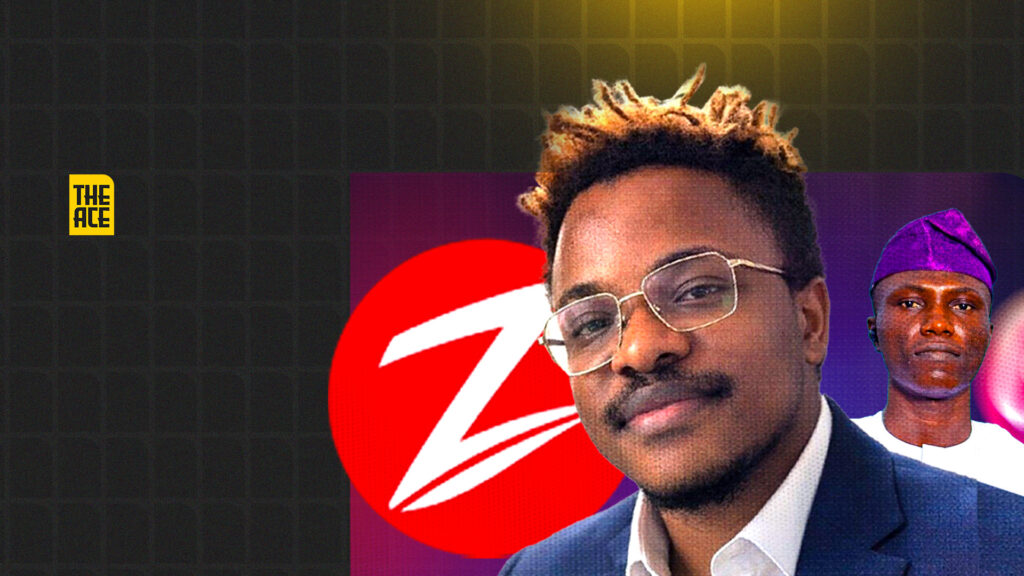
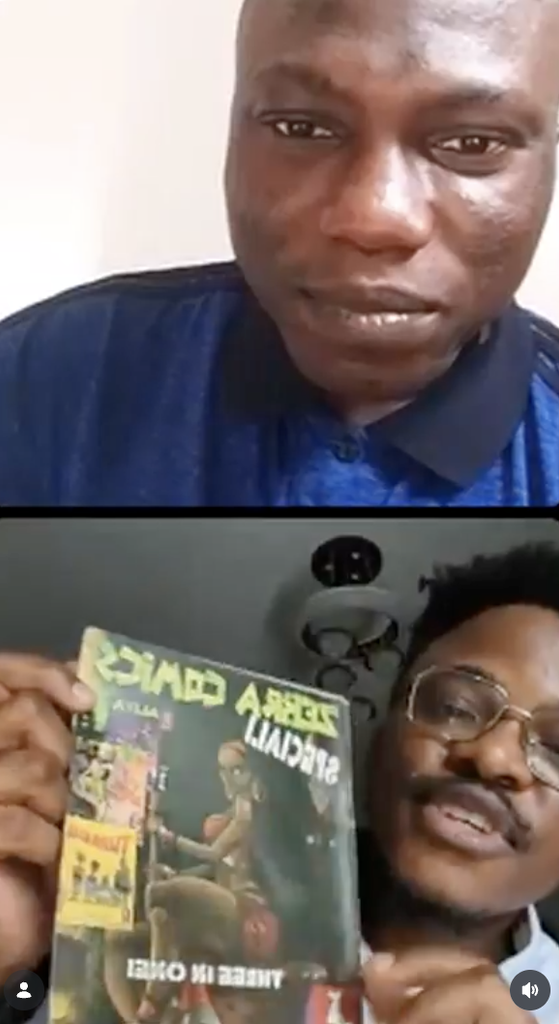
Zebra Comics (now ZEBRA) is one of the platforms navigating this shift. During the inaugural live episode of READING RAW, hosted by TheACE, the platform’s founder, Ejob Nathanael, discussed the experiences behind building a comic publishing business in Cameroon, from recruiting an initial team and financing print runs to developing a mobile app and securing an international partnership with DC.
The conversation offered a closer look at the decisions, setbacks and adjustments that shaped the company’s journey. For independent creators and aspiring publishers, Nathaniel’s account revealed seven lessons about building a sustainable creative business in an environment where infrastructure, funding and access to markets can present significant challenges.
1. Finding the Spark: Turning Lifelong Passion into a Business
For Ejob Nathanael, the journey into comics began with a childhood spent reading, trading and absorbing comic books. Over time, his enthusiasm for the medium developed into a question about representation: where were the African characters and stories that reflected the lives, cultures and experiences of the people around him?
At the time, much of the mainstream comic book landscape was shaped by Western and East Asian characters, leaving a gap that Nathaniel believed African creators could fill. That gap became the starting point for Zebra Comics. Rather than approaching the industry solely as an artistic pursuit, Nathaniel saw an opportunity to build a platform around stories that were not receiving enough visibility.
His experience highlights an important consideration for aspiring publishers: identifying an underserved audience can be as important as developing the creative skills needed to reach it. A personal frustration, when connected to a wider market need, can become the foundation for a business.
2. Navigating the Crucible: Building a Team in Cameroon
Building a digital-first comic platform from Cameroon came with its own set of challenges. Operating in an environment shaped by the country’s linguistic and regional divisions, the team also had to contend with infrastructure and distribution difficulties familiar to many independent African creators.
Reliable internet access, convenient digital payment options and affordable printing are important parts of a publishing operation. Where these are difficult to access, creators must find alternatives while still trying to produce work and reach readers.
In 2016, while pursuing postgraduate studies, Nathanael began testing his vision for Zebra Comics. He trained 30 people on a university campus and presented the idea of building a comic business. Seven eventually agreed to join him, working on a pro bono basis in the early stages.
Nathanael was the only artist among the seven, but the team brought together complementary skills, including marketing, translation and programming. His brother, Ejob Benjamin, contributed programming expertise. The experience demonstrated the value of building a team around more than one discipline. A publishing venture needs people who can create the work, but it also needs people who can communicate its value, develop its technology and connect it with an audience.
With only seven of the original 30 answering the call, Zebra Comics began with a small group willing to invest time and effort in an idea whose commercial prospects were not yet certain.
3. The Physical Hustle: Printing Books and Selling at Festivals
Before Zebra Comics developed its digital platform, the team had to find out whether readers would pay for its work through traditional print distribution. Nathanael personally drew the company’s first three comic books: Aliya, Tunbu and Totem. Getting them into print required more than artistic effort. He took on odd jobs and raised approximately 400,000 CFA francs, including contributions from the founding team, to finance the project.
In 2017, the team travelled to the Francophone part of Cameroon to sell the books at the Mboa BD Festival. The effort yielded encouraging results: they sold approximately 100 copies at the event and nearly 300 more over the following three months. These sales showed that there was an audience for their work. However, they also exposed the limitations of relying on physical distribution alone.
Printing required upfront capital, while selling books depended on reaching readers in the right places. Even when copies sold, the model presented challenges for a small team trying to finance its next projects and expand its reach.
The early experience gave Zebra Comics a practical lesson in the economics of publishing: producing a comic was only one part of the business. Getting it into readers’ hands, repeatedly and at a sustainable cost, was another challenge entirely.
4. The Digital Pivot: Building an App and Solving the Supply-Demand Problem
Recognising the limitations of physical distribution, the team began exploring digital alternatives. With input from its head of marketing, Aghogo Franklin, Zebra Comics studied the webtoon models emerging from South Korea and decided to develop its own mobile application in 2018.
The idea was to give readers access to comics through their phones while creating an opportunity for artists and studios to publish their work and earn money. The team approached creators and studios, inviting them to host their comics on the platform. The app soon reached an early milestone of 1,000 users, but that growth introduced a different problem: demand was increasing faster than the available catalogue could satisfy it.
Zebra Comics responded by opening the platform to creators in the United States, bringing in external work to give its growing readership more material to explore. The move expanded the platform’s reach beyond Central Africa, but it also reflected a recurring challenge in digital publishing. Attracting readers is not enough if the platform cannot consistently provide the content they want.
For Zebra Comics, growth meant developing both sides of the business: building a readership and ensuring there was enough content to keep that readership engaged.
5. The Kickstarter Battle: Crowdfunding Across Geographic and Financial Barriers
As Zebra Comics explored international markets, crowdfunding became another way to finance its projects. However, the team encountered a significant obstacle when it attempted to raise money through Kickstarter for a comic titled Anaki. At the time, Kickstarter did not support campaign creation through accounts based in Cameroon or Nigeria. The team therefore relied on an associate based in the United Kingdom to run the campaign.
The fundraising effort proved difficult. With a target of $1,000 over 30 days, the campaign had raised less than $200 as the deadline approached. By the 28th day, Nathaniel was running out of time. He began sending direct messages to more than 400 people on Facebook, personally asking them to support the project.
The outreach eventually brought in close to 40 supporters, helping the campaign move forward. What had begun as a difficult fundraising exercise became a learning experience that informed the team’s subsequent crowdfunding attempts. Nathaniel explained that later campaigns became progressively easier, with the amounts raised increasing with each iteration.
The experience illustrates a less glamorous side of crowdfunding. A campaign does not succeed simply because a project is creative or because a platform provides access to a global audience. It also requires active outreach, an existing network, persistent communication and a willingness to ask people directly for support.
6. Rethinking Monetisation: Mobile Payments and Telecom Partnerships
One of the most significant lessons from the discussion concerned how Zebra Comics approached monetisation. The conventional subscription model, Nathanael explained, had not generated the volume of revenue the business needed. A payment structure that worked in other markets could not simply be transferred to its African audience without considering local spending habits and payment infrastructure.
The company therefore moved towards microtransactions and developed partnerships with telecommunications companies across 13 African countries. These arrangements allowed users to pay through USSD codes and airtime deductions, providing alternatives to conventional online payments.
Rather than expecting readers to adapt to a fixed monthly subscription, Zebra Comics built its payment options around methods that were more accessible to its target audience. The shift became an important part of the company’s commercial development. By 2020, Zebra Comics had been formally registered as a company, surpassed 100,000 organic downloads and secured funding to expand production.
Nathaniel also offered a candid account of how long it took for the business to become financially viable. He explained that monetisation began to make sense in the company’s seventh year, while proper monetisation came in its tenth. The journey included periods of severe personal hardship, including homelessness. His account puts the difficulties of sustaining a creative enterprise into perspective. Building an audience and producing content can take years, but neither automatically guarantees a business model capable of supporting the people behind it.
For Zebra Comics, making money from its audience required more than attracting readers. It meant finding a payment system suited to their circumstances and building the partnerships needed to make that system work.
7. The DC Milestone: Consistency as a Business Asset
One of the most striking moments in Zebra Comics’ journey came when the company received an email from DC, the global comic book publisher. Nathanael recalled being in a car with his brother and other team members when his brother noticed the email notification. Unsure whether it was legitimate, Nathanael approached it cautiously, checking the sender’s identity, email address and domain details before accepting that the message was genuine.
The subsequent conversation with DC initially focused on Batman: The World. According to Nathanael, the engagement eventually led to an invitation for Zebra Comics to participate in DC’s next major global project, Joker: The World.
When the team asked why Zebra Comics had been selected, the answer was straightforward: consistency. In an industry where creative projects and startups can struggle to maintain regular output, Zebra Comics’ sustained activity had helped establish its reliability. Its work over time had become an asset, demonstrating that the company could continue delivering rather than disappearing after an initial burst of enthusiasm.
The significance of the partnership extended beyond the prestige of working with an internationally recognised publisher. It also demonstrated how consistent production can help a smaller company build credibility with established players in the industry.
From Zebra Comics to ZEBRA
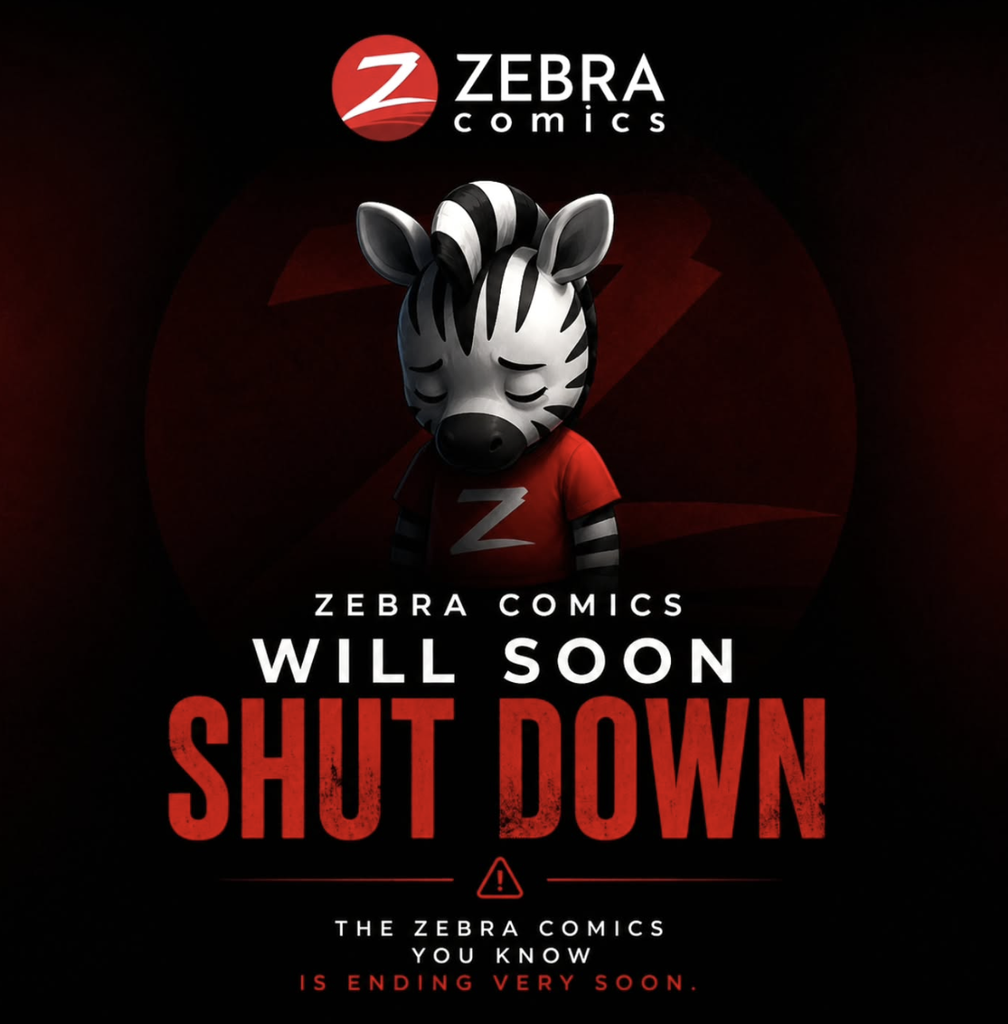
The company’s evolution has continued beyond its work as a digital comic platform. Zebra Comics has since rebranded as ZEBRA, reflecting its broader ambitions as an intellectual property and data company.
Nathanael discussed the company’s brand partnerships across Asia and the development of a new, high-performance mobile application to replace its older infrastructure. These developments point towards a business seeking to extend its activities beyond the distribution of comics and into the wider commercial potential of the intellectual property it develops.
For African creators, the distinction matters. A comic can serve as the starting point for a much larger creative property, with opportunities to explore different formats, audiences and commercial partnerships. ZEBRA’s evolution suggests that the company is positioning itself to pursue those opportunities while continuing to build on its publishing roots.
What ZEBRA’s Journey Reveals About Building an African Creative Business
The inaugural READING RAW live session offered more than a retrospective of how a comic publishing venture began. Nathaniel’s account traced the decisions that helped ZEBRA move from a small team producing printed books to a digital platform with an international audience and a partnership with DC.
The journey was neither immediate nor straightforward. It involved recruiting a team from a much larger pool of potential collaborators, financing print runs through odd jobs, confronting the limits of physical distribution, adapting to the demands of a growing digital audience and rethinking how readers could pay for content. It also required persistence through years in which commercial success remained uncertain.
For creators and entrepreneurs working in Africa’s comic book industry, ZEBRA offers a case study in the relationship between creative ambition and business strategy. A compelling story may attract an audience, but sustaining a publishing operation requires systems for producing, distributing and monetising that work. The company’s experience also demonstrates the importance of adapting business models to local realities rather than assuming that approaches developed elsewhere will work unchanged.
As ZEBRA expands its ambitions beyond digital comics, its journey raises a broader question for the African creative economy: what becomes possible when locally developed intellectual property is supported by the technology, distribution systems and commercial partnerships needed to reach a global audience?
For Nathanael and his team, the answer has taken years of experimentation, persistence and adjustment. Their experience shows that building an African comic enterprise is not simply a matter of telling African stories. It is also about developing a sustainable business capable of carrying those stories further.
Written by Mujeeb Jummah and Nehemiah Osarodion
——————————————————–
——————————————————–
AI Use at TheACE
TheACE uses artificial intelligence tools to support research, drafting and analysis across Africa’s creative industries. All content is verified, edited and approved by our human editorial team to ensure accuracy, clarity and responsible storytelling. AI assists our work; it does not replace human judgement.